
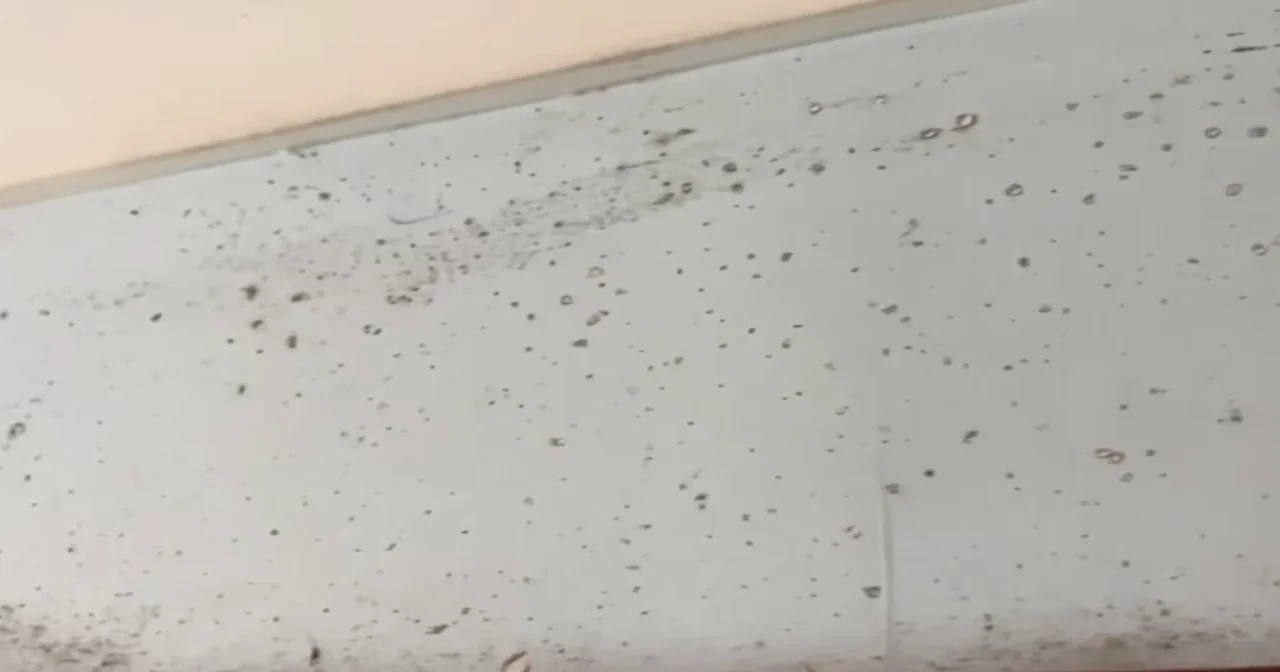
Attic Mold Remediation and Removal in Evansville, Indiana
Dark patches on attic wood, a musty odor near the ceiling, or moisture around roof sheathing can be signs of an attic moisture problem. Mold may develop when humid air, roof leaks, or condensation leave attic materials damp.
Evansville Mold Pros connects property owners with independent mold remediation contractors who can assess suspected attic mold and provide written quotes for recommended work.
Whether you have noticed discoloration on roof sheathing, damp insulation, or signs of a roof leak, identifying the moisture source is an important step before deciding how to address the affected materials.
Need help with attic mold? Call (930) 758 0114 or submit the contact form to request a connection with an independent contractor.
Warning signs
Signs of Mold in Your Attic
Attic mold can go unnoticed because the space is rarely used. Some warning signs become visible only during roof repairs, insulation work, or routine home maintenance.
Look for these possible signs:
Dark patches on roof sheathing
Mold may appear as spots or irregular discoloration on the underside of roof decking. Stains can have other causes, so appearance alone does not confirm mold.
Damp or damaged insulation
Insulation that is wet, compressed, or discolored may indicate a leak or condensation problem.
A musty odor
An earthy smell near the ceiling or attic access may indicate moisture or mold growth.
Signs of roof leaks
Water stains, damp wood, or deteriorating materials may point to water entering through the roof.
Condensation around nails or metal components
Moisture on cooler surfaces can indicate humid air and temperature differences within the attic.
Recurring moisture in cold weather
Condensation may develop when warm, moist indoor air enters a cold attic.
If you notice these signs, avoid disturbing suspected mold unnecessarily. An assessment can help determine whether the marks indicate mold, water staining, or another condition.
Common causes
What Causes Attic Mold?
Attic mold usually develops when moisture remains on wood, insulation, or other materials. Finding the source is important because cleaning the visible growth alone may not prevent it from returning.
Roof leaks
Damaged shingles, flashing problems, roof penetrations, or other defects can allow water to enter the attic. Even a small leak may affect roof sheathing or insulation if it continues unnoticed.
Poor attic ventilation
Inadequate ventilation can contribute to moisture buildup under some conditions. However, ventilation is not the only factor involved. Air leaks from the living space, roof leaks, insulation problems, and local building conditions may also contribute.
Warm indoor air entering the attic
Gaps around ceiling fixtures, attic hatches, ducts, and other openings can allow warm, moist indoor air to enter a colder attic. When that air cools, moisture may condense on wood and other surfaces.
Bathroom or kitchen exhaust problems
Exhaust fans should discharge outdoors through suitable ductwork, not into the attic. A duct that ends inside the attic can release moisture where it may collect on nearby materials.
Wet insulation and building materials
Insulation can become damp because of roof leaks, condensation, or other water sources. Wet materials may keep nearby wood damp and contribute to mold growth.
The right correction depends on the cause. A roof leak may require a roofer, while air leakage or ventilation concerns may need a different building professional.
How it works
What Does Attic Mold Remediation Involve?
The appropriate work depends on the affected area, the condition of the materials, the accessibility of the attic, and the source of moisture.
Assessing the attic
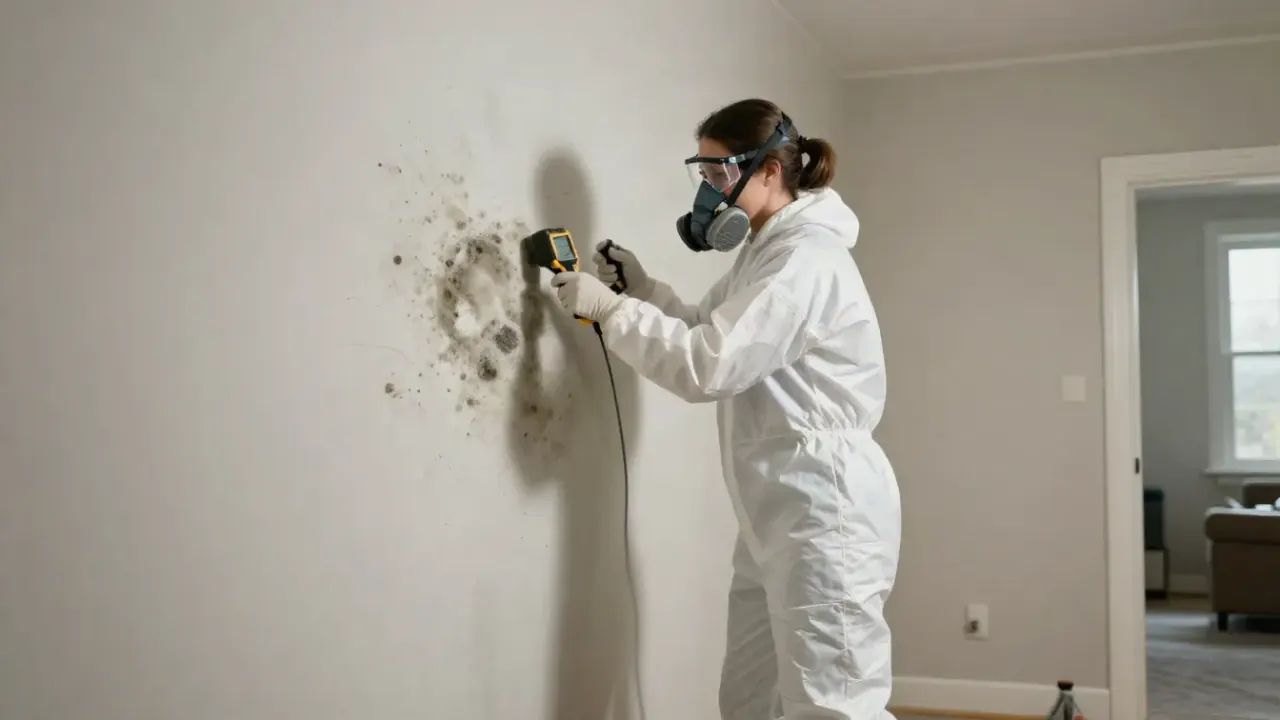
An independent contractor may examine accessible roof sheathing, rafters, insulation, and other affected surfaces. The assessment can help determine the apparent extent of the growth and whether additional investigation is needed.
Finding the moisture source
The contractor may look for signs of roof leaks, condensation, damp insulation, or indoor air leaking into the attic. Some repairs, such as roofing work or changes to exhaust ductwork, may need a separate specialist.
Planning the remediation
The proposed scope should explain which surfaces and materials are affected, whether containment is appropriate, and what cleaning or removal methods are recommended. Ask for a written quote before authorizing the work.
Cleaning or removing affected materials
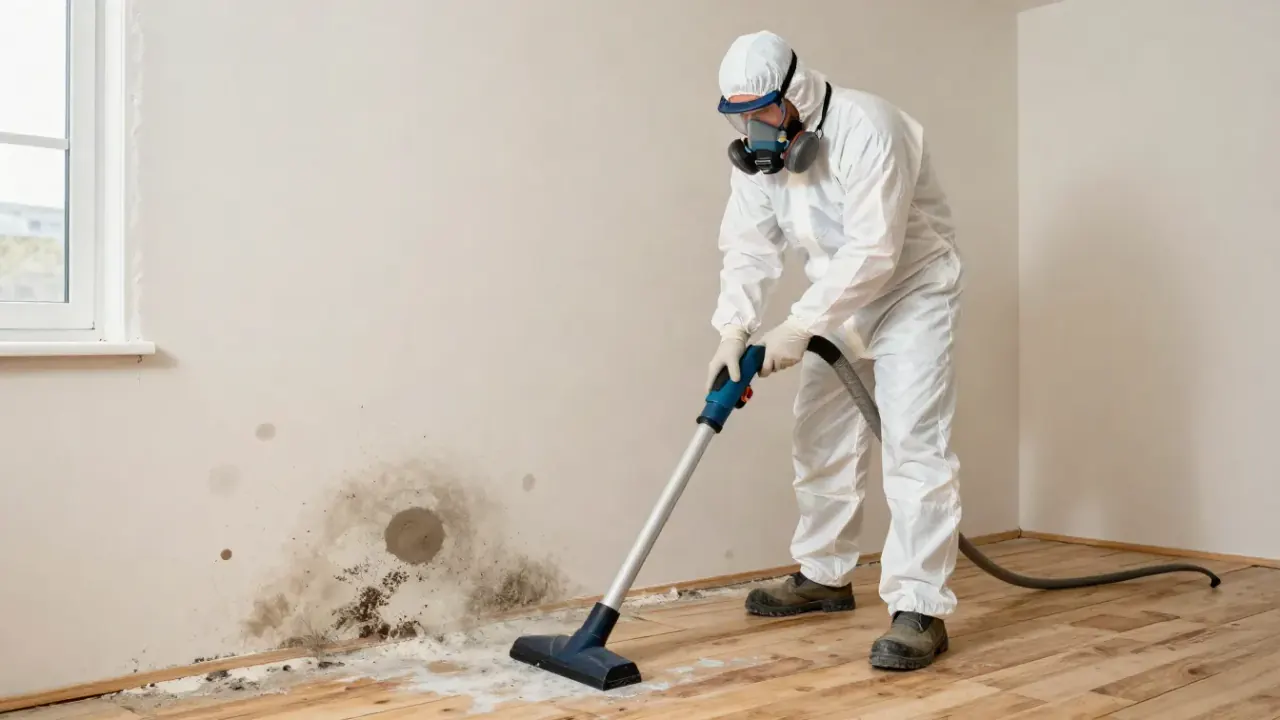
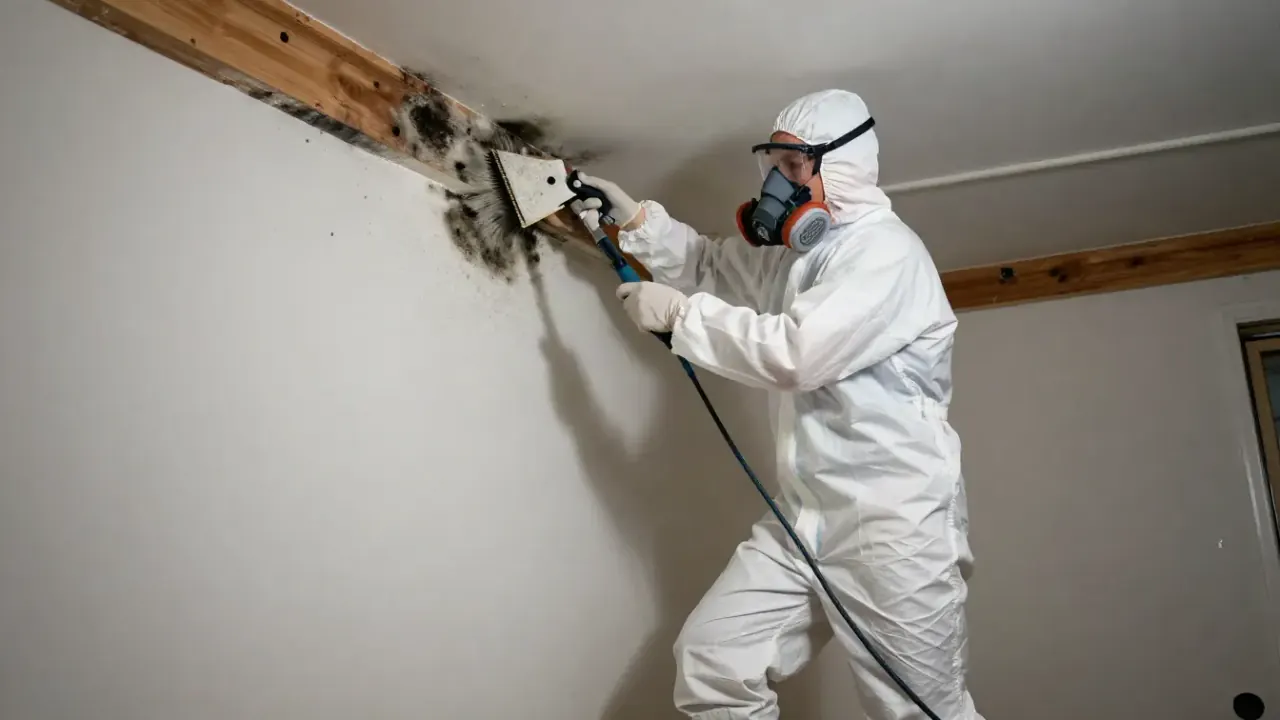
Depending on the condition of the materials, remediation may involve cleaning suitable surfaces or removing damaged insulation and other materials that cannot be adequately cleaned. The method should suit the material and the extent of the problem.
Correcting moisture and drying the area
The source of moisture must be addressed, and affected materials need appropriate drying. Depending on the findings, this may involve roof repairs, air sealing, correcting exhaust ducts, or reviewing the attic's ventilation and insulation.
Evansville Mold Pros connects customers with independent contractors. The contractor determines the appropriate work, price, schedule, and scope for each property.
Need a quick answer?Talk with us about your property.(930) 758-0114
Costs and quotes
How Much Does Attic Mold Remediation Cost?
Attic mold remediation costs vary depending on the extent of the affected area and the work required. A small area of surface growth may involve a different scope from widespread growth across roof sheathing or damp insulation that needs removal.
Factors that can affect the quote include:
Ask for a written quote that separates mold remediation from related roofing or building repairs where possible. This makes it easier to understand which tasks are included and whether another contractor may be needed.
Evansville Mold Pros does not set independent contractors' prices.
How every request is handled.
Tell us what you foundGet connectedWritten quoteYou decide
DIY or professional?
Can You Remove Attic Mold Yourself?
Small areas on suitable surfaces may sometimes be manageable, but attic work can involve limited access, overhead hazards, insulation fibers, electrical components, and potentially damaged building materials.
Do not enter an attic if access is unsafe or if you cannot move around without risking a fall or damaging the ceiling below. Avoid disturbing suspected mold if doing so could spread particles into the home.
Consider professional help if the growth covers a large area, insulation is affected, roof sheathing appears damaged, moisture keeps returning, or the source is unclear.
Do not paint over suspected mold or clean a surface while the moisture problem remains unresolved. Cleaning methods should be appropriate for the material, and affected porous materials may require removal.
People with asthma, mold allergies, weakened immune systems, or other relevant health concerns should take extra care around mold.
For general guidance, see the US Environmental Protection Agency's Brief Guide to Mold, Moisture and Your Home.
Prevention
How to Help Prevent Attic Mold From Returning
After remediation, controlling moisture is important for reducing the risk of recurring growth.
Repair roof leaks. Have damaged shingles, flashing, roof penetrations, or other suspected leak sources assessed and repaired as needed.
Check exhaust ducts. Make sure bathroom and kitchen exhaust systems discharge outdoors through suitable ductwork rather than into the attic.
Seal air leaks where appropriate. Gaps around attic hatches, ceiling penetrations, and other openings may allow indoor moisture to enter the attic. Suitable air sealing can help reduce this movement.
Review ventilation and insulation. These systems should work together with the home's design and climate. A building professional can help identify whether changes are needed.
Keep an eye on damp materials. If insulation becomes wet or water stains reappear, investigate the source rather than covering the affected area.
Address moisture promptly. Dry water affected materials as soon as practical and correct the cause. Repeated dampness can increase the risk of further mold growth.
No single ventilation or insulation change is right for every attic. The best approach depends on the building and the source of moisture.
Service areas
Attic Mold Remediation in Evansville and Nearby Areas
Attic moisture problems can affect homes in Evansville and surrounding communities. Roof leaks, condensation, and humid indoor air entering a cold attic can all contribute to damp building materials.
The signs may look similar from one home to another, but the cause can differ. A property with a roof leak may need a different solution from one with an exhaust duct discharging into the attic.
Evansville Mold Pros helps connect property owners with independent contractors for attic mold assessments and written quotes. Connections in nearby communities, including Newburgh, Boonville, and Mount Vernon, depend on participating contractor coverage.
Where we work
Evansville and nearby communities.
No. Dark marks may be associated with mold, water staining, or other conditions. Color alone cannot identify mold or determine its type. An assessment can help clarify what is present.
Mold related particles can move between parts of a building through air movement and other pathways. The extent of any issue depends on the building and conditions present. Avoid disturbing affected materials unnecessarily.
Not necessarily. Mold can develop because of roof leaks, condensation, air leakage, or other moisture problems. A roof replacement is not automatically required. The source and condition of the roof should be assessed.
The timeline depends on the affected area, access, material removal, drying requirements, and any repairs needed. The independent contractor can provide an estimate after assessing the attic.
It may return if the moisture source remains or develops again. Addressing roof leaks, condensation, or indoor air leakage is important to reducing the risk of recurrence.
Call (930) 758 0114 or submit the contact form on this page. Evansville Mold Pros can connect you with an independent contractor who can discuss availability, assess the situation as needed, and provide a quote for proposed work.
Keep exploring
Related Services
From the blog
Guides Related to Attic Mold Remediation
Mold Guides
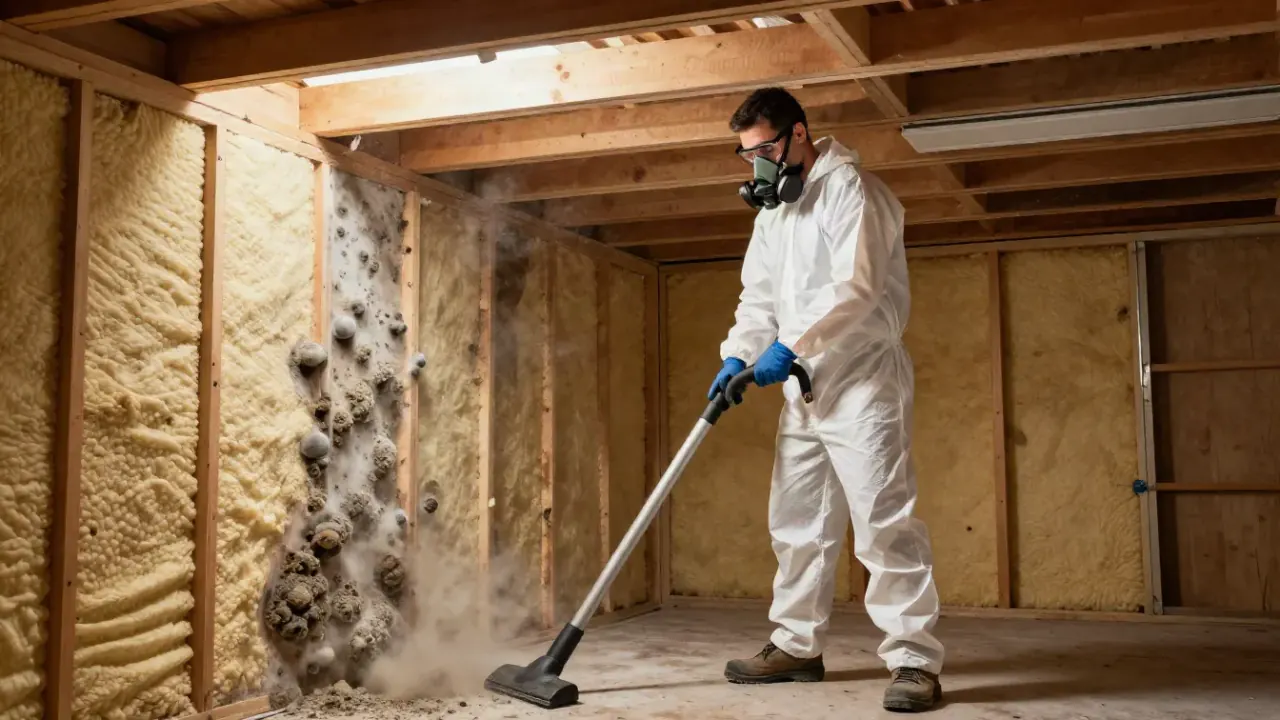
How to Get Rid of Mold in an Attic
Learn how to identify attic mold, address roof leaks and condensation, protect insulation, and prevent mold from returning.
Read the guide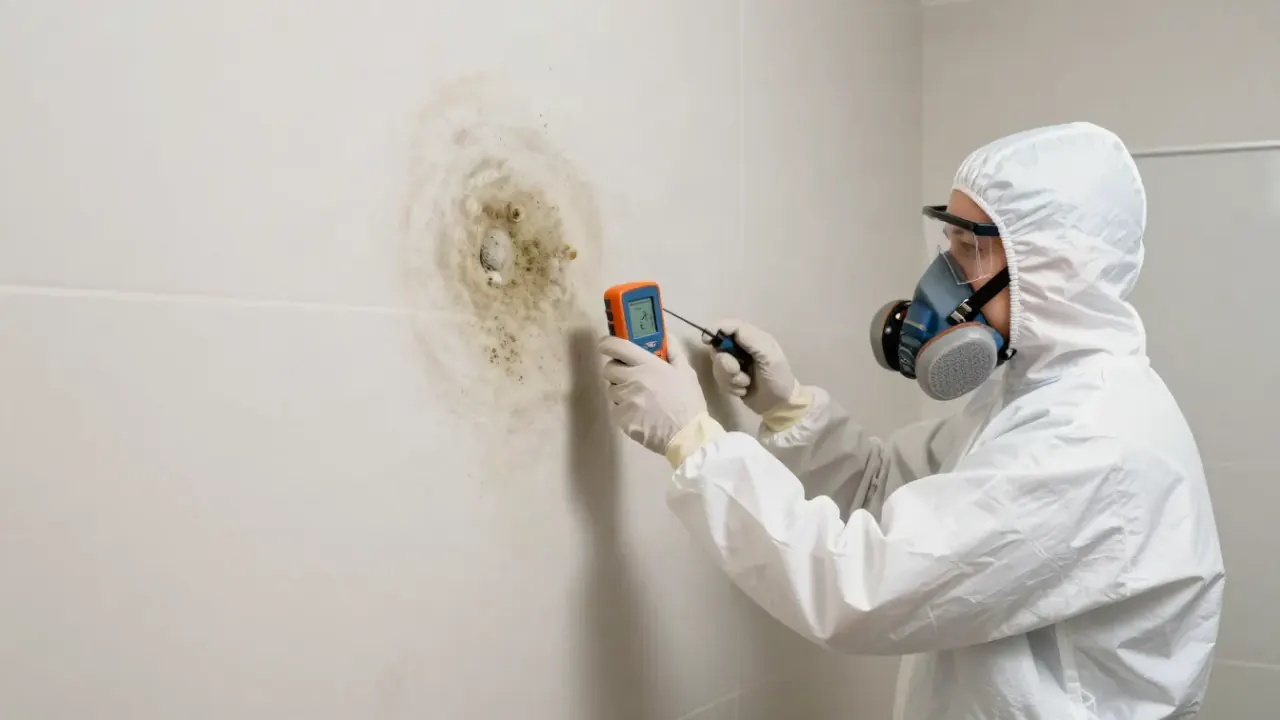
Mold Guides
How to Get Rid of Mold on Wood
Learn how to clean mold on wood, identify moisture problems, protect wooden surfaces, and know when damaged wood needs professional attention.
Read the guideMold Guides
Does Homeowners Insurance Cover Mold?
Does homeowners insurance cover mold? Learn how the cause of damage, policy exclusions, coverage limits, and documentation can affect your claim.
Read the guideYour next step is waiting
Request an Attic Mold Remediation Quote
If you have noticed suspected mold on attic wood, damp insulation, or recurring moisture near the roof, identifying the cause can help you decide what to do next.
Call (930) 758 0114 or submit the contact form to request a connection with an independent mold remediation contractor serving Evansville, Indiana.
Evansville Mold Pros is a referral service, not a remediation contractor. Independent contractors determine their own availability, qualifications, recommendations, pricing, and scope of work.
Start with the basics
Contact Evansville Mold Pros
Evansville Mold Pros is a referral service. Independent contractors perform the assessment and remediation work, set their own prices, and confirm timing and job details directly with you.