
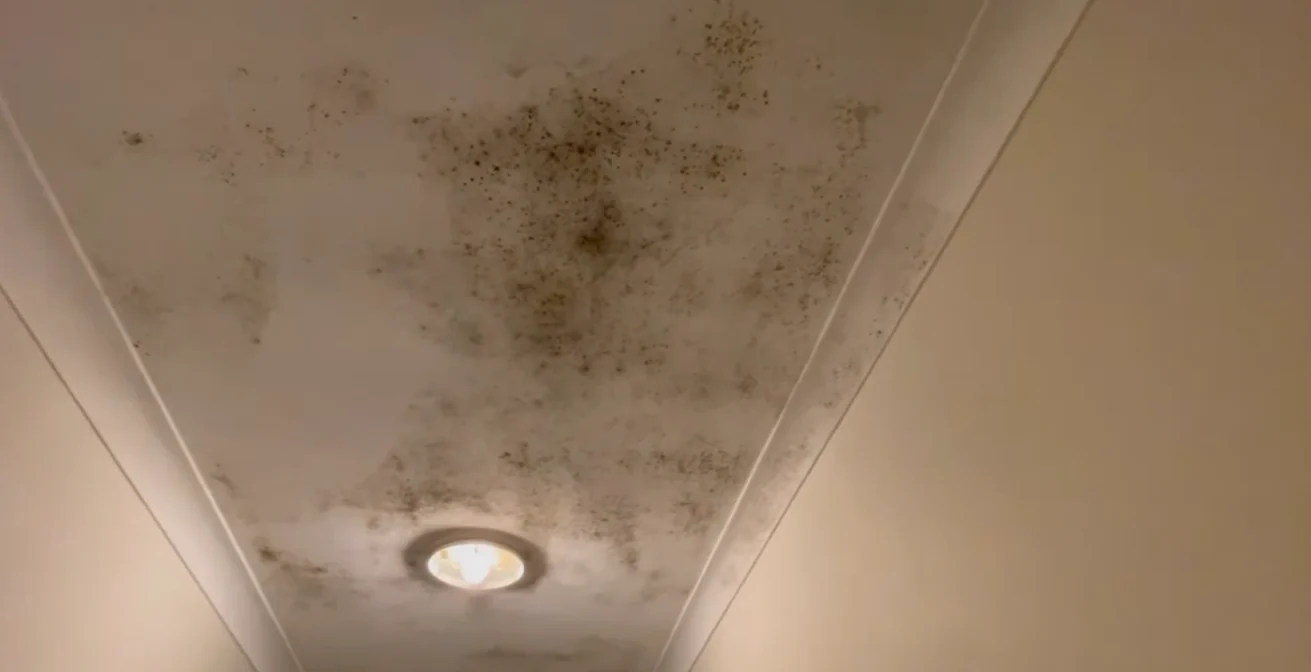
Mold Inspection in Evansville, Indiana
A musty odor, unexplained water stains, or suspected mold growth can leave you wondering what is happening inside your home. Before deciding what work is needed, it helps to understand where the moisture is coming from and which areas may be affected.
Evansville Mold Pros connects property owners with independent contractors who can assess suspected mold and provide information about the work they recommend. The appropriate assessment depends on the property, visible conditions, and reason for concern.
Whether you have noticed discoloration on a wall, moisture around a window, or a persistent odor that you cannot trace, an inspection may help clarify the next steps.
Need help with suspected mold? Call (930) 758 0114 or submit the contact form to request a connection with an independent contractor.
Inspection and testing
When Should You Consider a Mold Inspection?
You do not always need a formal inspection when mold is already visible. However, an assessment may be useful when the source or extent of a moisture problem is unclear.
Consider requesting an inspection if you notice:
A persistent musty smell
An earthy odor may indicate damp materials or possible mold growth, even when the affected area is not visible.
Recurring water stains
Discoloration on ceilings, walls, or floors may point to a leak or previous water damage.
Repeated condensation
Moisture on windows, pipes, or cool surfaces can indicate a humidity problem.
Suspected hidden mold
A leak inside a wall or beneath flooring may leave signs without exposing the affected materials.
Previous water damage
Areas that were flooded or remained wet may need further attention if odors or moisture problems continue.
Mold that keeps returning
Repeated growth may indicate that the underlying moisture source has not been corrected.
These signs do not prove mold is present. An inspection can help assess visible conditions and determine whether further investigation is appropriate.
How it works
What Does a Mold Inspection Involve?
The scope of a mold inspection depends on the property and the questions that need answering. An independent contractor may review accessible areas, look for signs of moisture, and identify conditions that could support mold growth.
Reviewing the reported problem
The process may begin with questions about where the odor, discoloration, or moisture appeared, when it started, and whether the area has experienced leaks or flooding. This information helps direct attention toward possible sources.
Examining visible surfaces
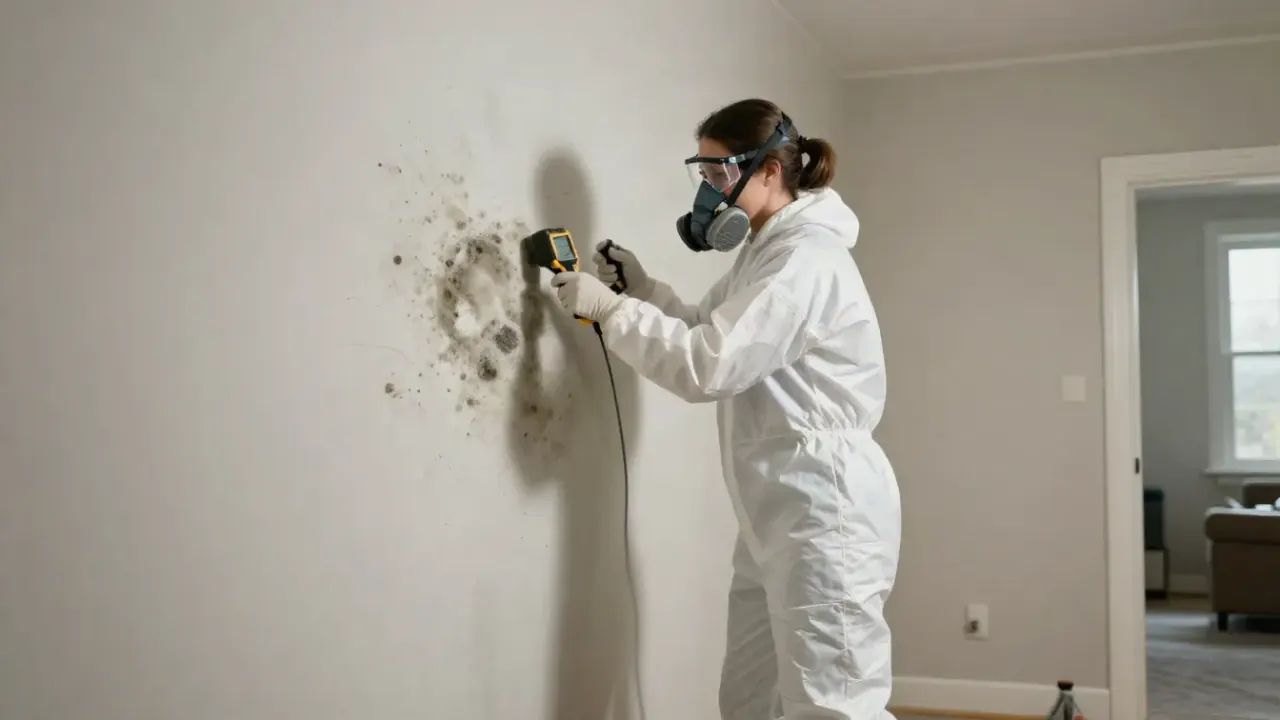
An assessment may include walls, ceilings, flooring, windows, plumbing areas, or other accessible surfaces where moisture or mold is suspected. The inspector may document visible conditions and identify areas that need further attention.
Looking for moisture sources
Potential sources include plumbing leaks, roof leaks, condensation, poor drainage, and water entering through exterior walls. Finding the source is important because mold can return if the conditions that support its growth remain.
Assessing whether further investigation is needed
Some moisture problems are visible, while others may involve concealed spaces. The contractor may explain whether additional access, specialist repairs, or other investigative steps are appropriate.
Not every inspection includes opening walls, taking samples, or examining every part of the building. Ask what the proposed assessment covers before arranging the appointment.
Inspection and testing
Mold Inspection vs. Mold Testing
Mold inspection and mold testing are related but different services.
Mold inspection generally involves examining visible conditions and looking for moisture problems or signs of mold growth.
Mold testing involves collecting samples, such as air or surface samples, for analysis. Testing may be considered when there is a specific question that cannot be answered through a visual assessment alone.
Testing is not always necessary when visible mold is already present. The US Environmental Protection Agency explains that there are no federal limits for acceptable levels of mold in indoor air and that sampling is often unnecessary when visible mold can already be identified.
Before agreeing to testing, ask what question the test is intended to answer, how the samples will be collected, and how the results will affect the next steps.
For more information, see the EPA's mold guidance.
How it works
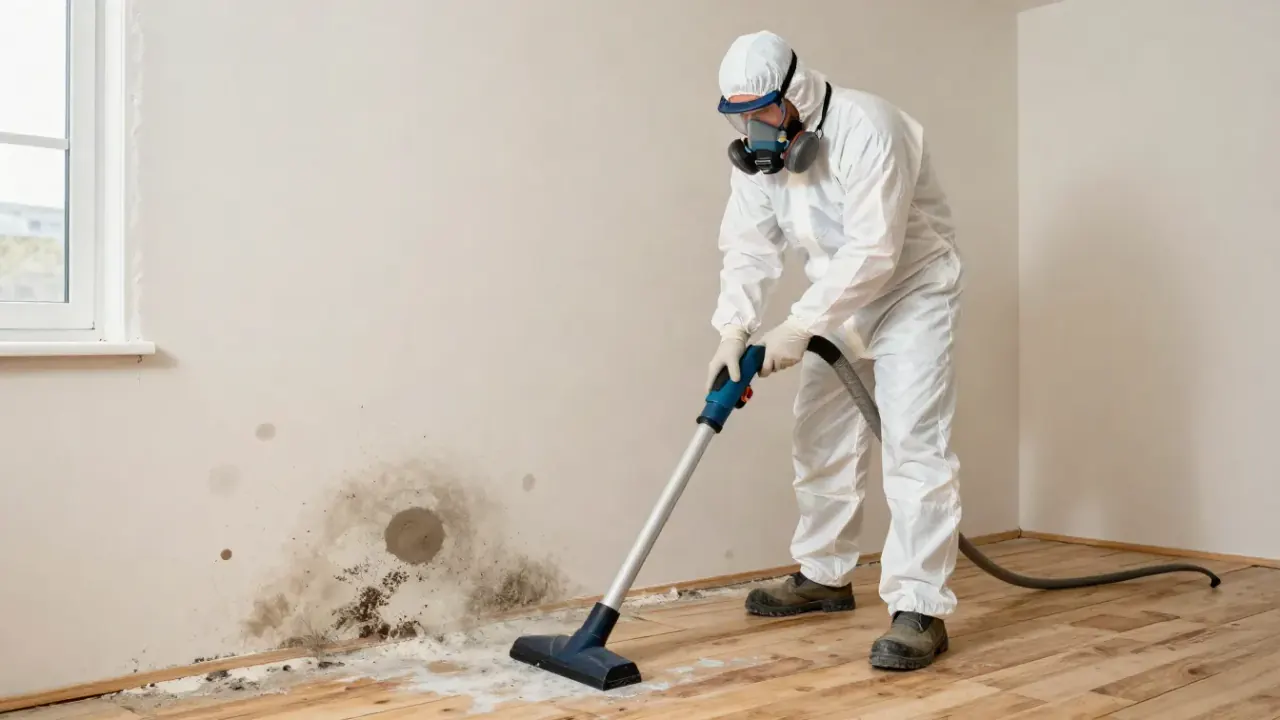
What Happens After a Mold Inspection?
The next step depends on what the assessment finds. An inspection does not automatically mean that mold remediation is required.
Possible outcomes include:
A moisture problem without visible mold: The recommended next step may be correcting a leak, improving moisture control, or monitoring a previously wet area.
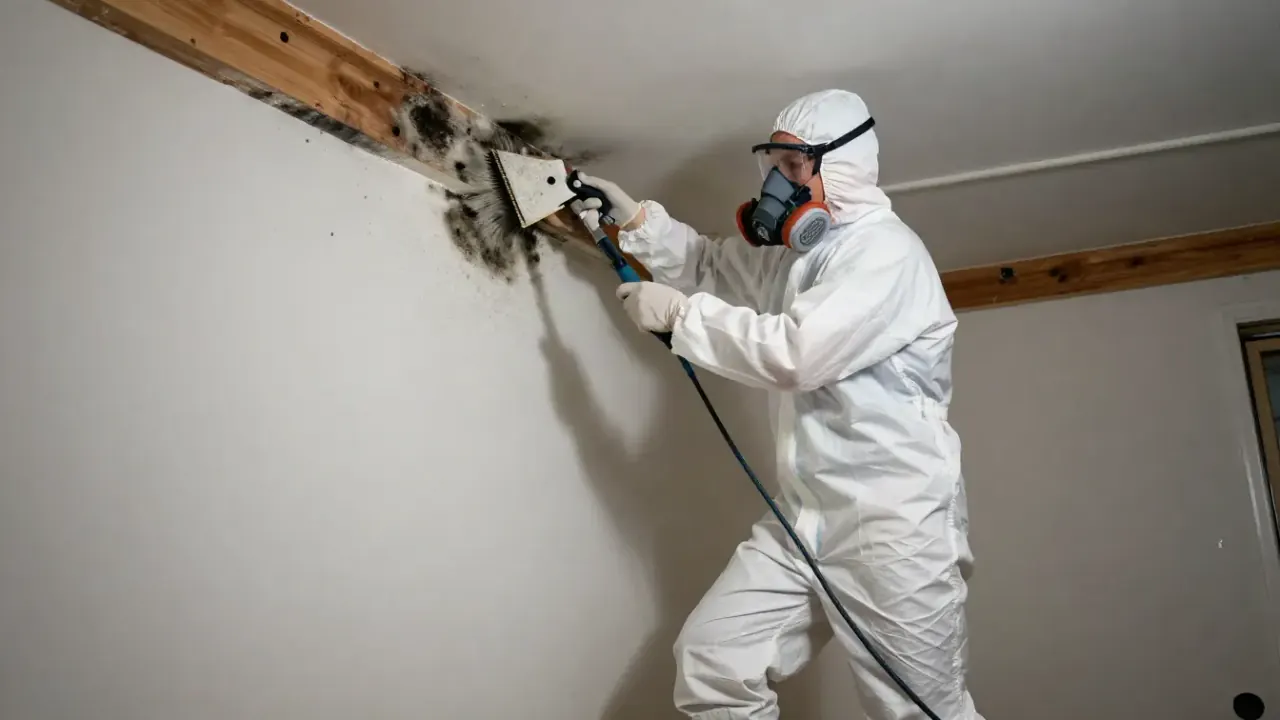
Visible mold on accessible materials: The contractor may explain which materials are affected and whether cleaning or removal should be considered.
Suspected hidden growth: Further investigation may be appropriate if there are signs of moisture behind walls, beneath flooring, or in other concealed spaces.
A problem requiring another specialist: Some conditions may require a plumber, roofer, foundation specialist, or other professional to correct the source of moisture.
If remediation is recommended, ask for a written scope explaining the affected areas, proposed work, exclusions, and additional repairs that may be needed. An inspection and remediation may be provided by different professionals, depending on the arrangement.
Evansville Mold Pros is a referral service. Independent contractors determine their own recommendations, prices, schedules, and scope of work.
How every request is handled.
Tell us what you foundGet connectedWritten quoteYou decide
Need a quick answer?Talk with us about your property.(930) 758-0114
Costs and quotes
How Much Does a Mold Inspection Cost in Evansville?
Inspection costs vary according to the size of the property, the suspected problem, the areas that need attention, and the type of assessment requested.
Factors that may affect the quote include:
A basic visual assessment and an inspection involving specialized testing may have different prices. Ask what is included before scheduling, and confirm whether laboratory fees or follow up visits are charged separately.
Evansville Mold Pros does not set independent contractors' prices. The contractor can explain the proposed service and provide pricing directly.
Inspection and testing
How to Prepare for a Mold Inspection
A few simple steps can help make the appointment more useful.
Identify the affected areas
Note where you have seen discoloration, dampness, or recurring odors.
Describe the history
Mention any known leaks, flooding, plumbing problems, or previous repairs.
Keep relevant areas accessible
If it is safe to do so, clear access to the affected area without disturbing suspected mold.
Gather repair information
Previous invoices or details about water damage may help explain the problem.
Ask what the inspection includes
Confirm which areas will be assessed, whether testing is included, and whether you will receive written findings.
Do not remove wall coverings or disturb suspected mold just to prepare for an appointment. The contractor can advise whether further access is needed.
Inspection and testing
Mold Inspection for Evansville Homes and Nearby Properties
Moisture concerns can arise in different parts of a property, including bathrooms, kitchens, attics, basements, crawl spaces, and areas around windows or plumbing. The signs may look similar, but the cause can differ from one location to another.
In Evansville, a homeowner might notice dampness after heavy rain, recurring condensation, or water damage following a plumbing leak. The inspection should focus on the conditions at the specific property rather than assume every moisture problem has the same cause.
Evansville Mold Pros helps connect property owners with independent contractors for mold related assessments. Connections in nearby communities, including Newburgh, Boonville, and Mount Vernon, depend on participating contractor coverage.
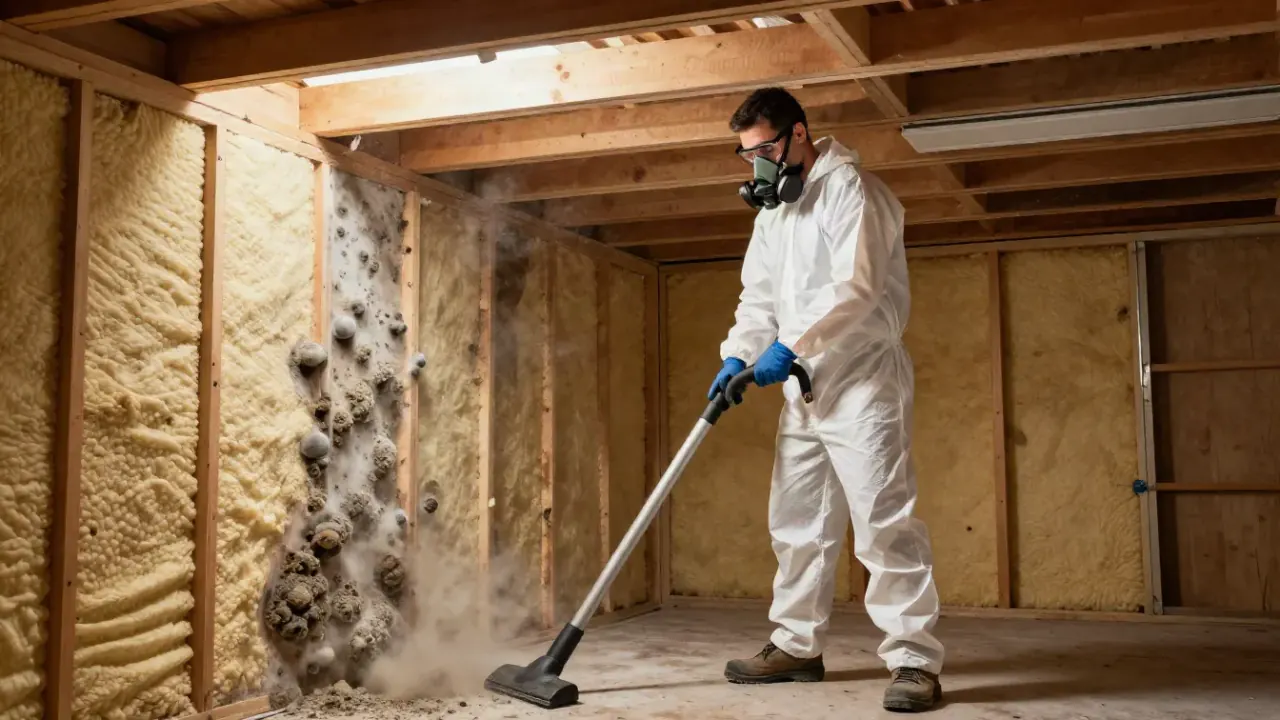
Where we work
Evansville and nearby communities.
Prefer to try it yourself first?
If the area is small and the surface is suitable, read our guide on getting rid of mold on walls before deciding whether to request a contractor.
No. A visual assessment and moisture investigation may be sufficient for some situations. Sampling may be considered when there is a specific question that testing could help answer. Confirm exactly what is included before booking.
An inspector may identify warning signs of hidden moisture or suspected growth, but concealed mold cannot always be confirmed without further investigation. The need for additional access depends on the conditions found.
No. A musty odor may indicate damp materials or possible mold growth, but it does not confirm the source. An assessment can help investigate the conditions behind the odor.
The time required depends on the property size, accessibility, and complexity of the reported problem. Ask the contractor for an estimate based on your situation.
Not necessarily. The EPA notes that sampling is often unnecessary when visible mold is present. You may still need help understanding the moisture source, the affected materials, or the appropriate remediation steps.
Call (930) 758 0114 or submit the contact form on this page. Evansville Mold Pros can connect you with an independent contractor who can discuss availability, the proposed assessment, and pricing.
Keep exploring
Related Services
From the blog
Guides Related to Mold Inspection
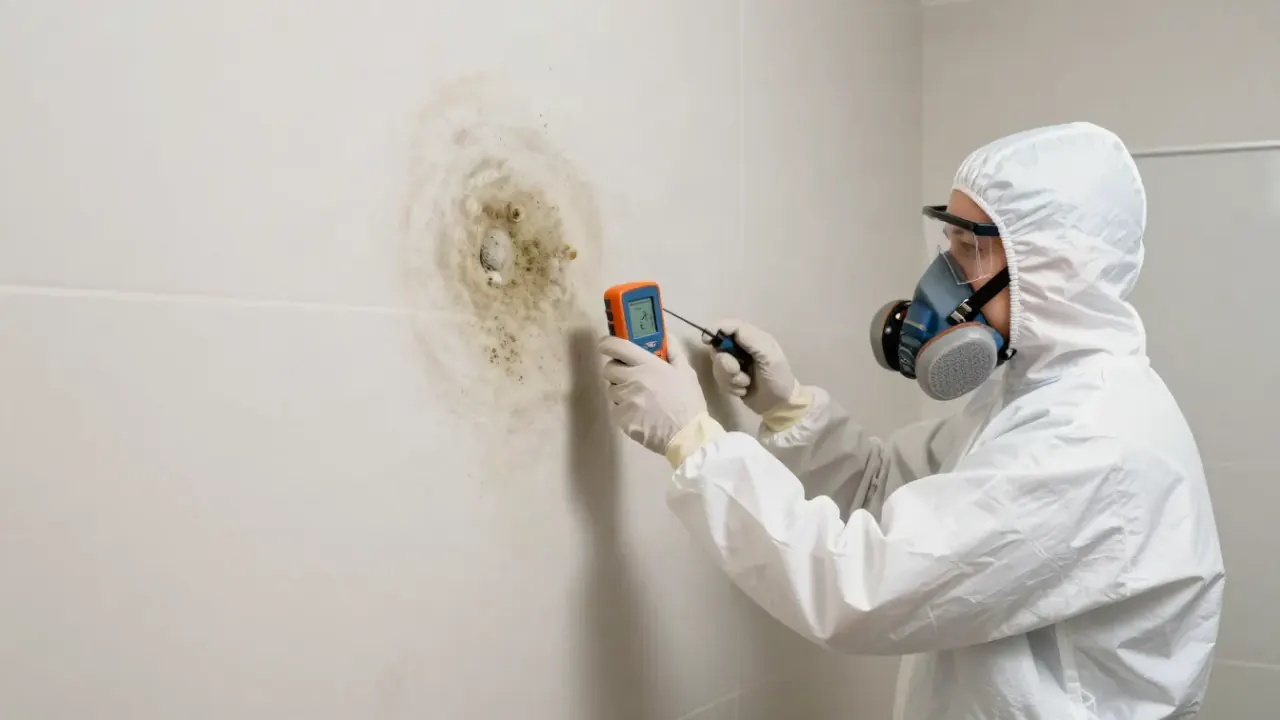
Mold Guides
Mold Inspection vs. Mold Testing: What's the Difference?
Compare mold inspection vs. mold testing, learn what each involves, and understand when an assessment or sampling may be useful.
Read the guide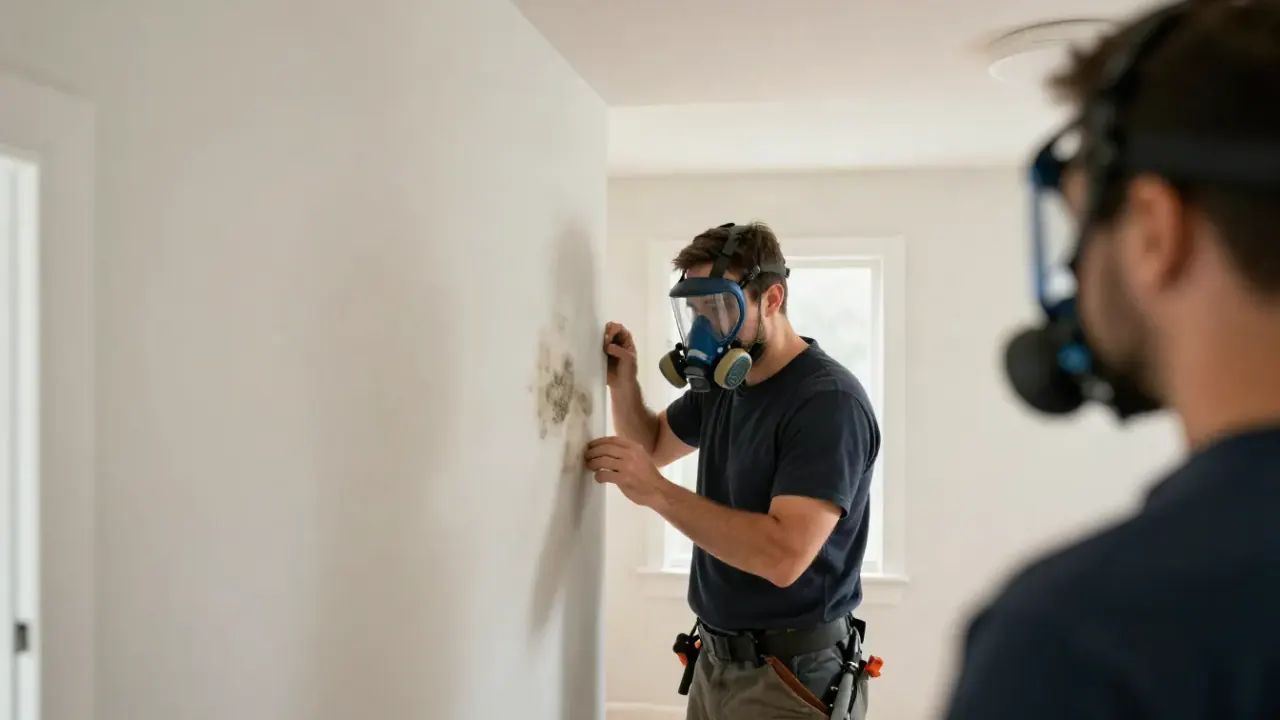
Mold Guides
7 Signs of Hidden Mold in Your Home
Learn the warning signs of hidden mold, including musty odors, water stains, damp materials, and recurring moisture problems.
Read the guide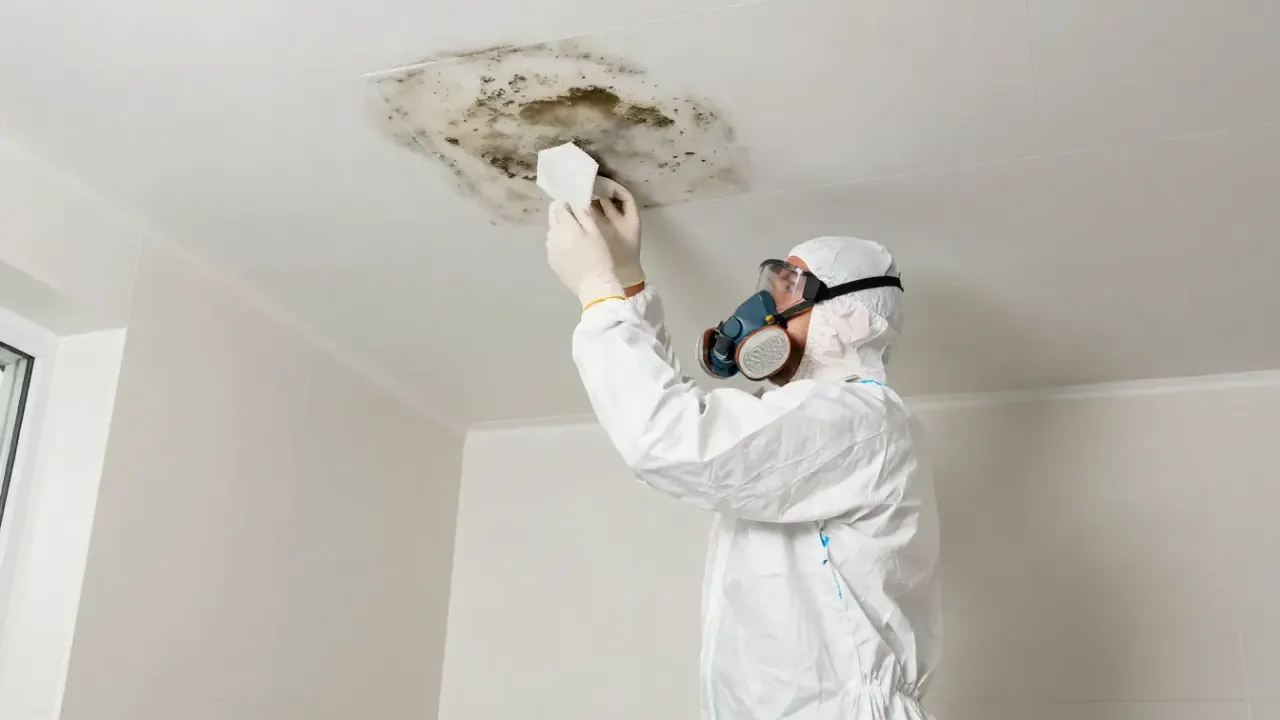
Mold Guides
Mold vs. Mildew: What's the Difference?
Learn how mold and mildew differ, common warning signs, where they grow, and how to address moisture problems in your Evansville home.
Read the guideYour next step is waiting
Request a Mold Inspection Connection
If you have noticed a musty odor, recurring moisture, or suspected mold, an assessment may help you understand what needs attention and whether further investigation is appropriate.
Call (930) 758 0114 or submit the contact form to request a connection with an independent contractor serving Evansville, Indiana.
Evansville Mold Pros is a referral service, not an inspection or remediation contractor. Independent contractors determine their own availability, qualifications, recommendations, pricing, and scope of work.
Start with the basics
Contact Evansville Mold Pros
Evansville Mold Pros is a referral service. Independent contractors perform the assessment and remediation work, set their own prices, and confirm timing and job details directly with you.