
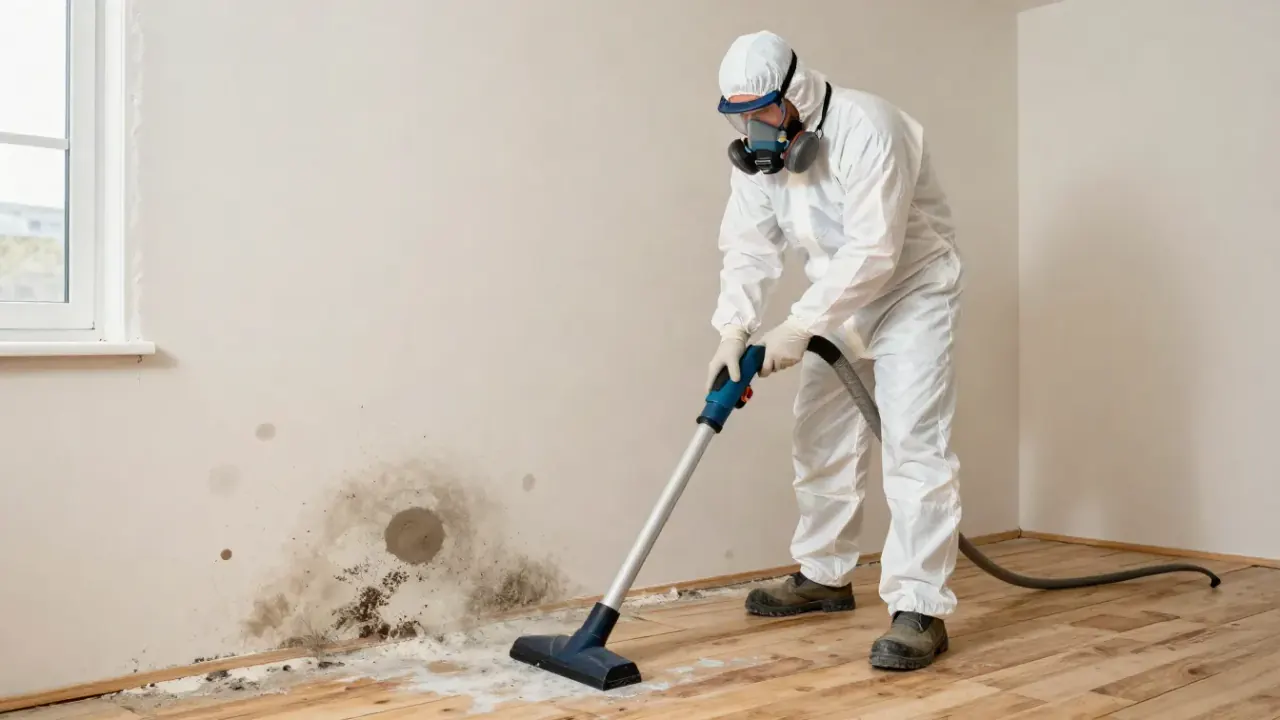
Basement Mold Remediation in Evansville, Indiana
A musty basement, damp foundation wall, or recurring patch of mold can point to a moisture problem that needs attention. Cleaning the visible growth may improve the appearance, but it will not solve the issue if water continues to enter the basement.
Evansville Mold Pros connects property owners with independent mold remediation contractors who can assess basement mold concerns and provide written quotes for recommended work.
Whether you have noticed mold on concrete walls, damp drywall, wet carpet, or a persistent odor after heavy rain, understanding the source of moisture is an important first step.
Need help with basement mold? Call (930) 758 0114 or submit the contact form to request a connection with an independent contractor.
Warning signs
Signs of Mold in Your Basement
Basement mold can develop on visible surfaces or in damp areas that receive little airflow. Some warning signs are easy to spot, while others may require further investigation.
Common signs include:
Discolored patches on walls
Mold may appear in different colors on concrete, drywall, wood, or other materials. Color alone cannot identify the type of mold.
A persistent musty odor
An earthy smell may indicate damp materials or possible mold growth, even when the source is not visible.
Water stains on foundation walls
Darkened areas, peeling paint, or recurring damp spots may indicate water intrusion or condensation.
Wet carpet or damaged flooring
Carpet and padding can retain moisture and may develop mold if they remain damp.
Affected stored belongings
Cardboard boxes, paper, clothing, and wooden items can become moldy in humid conditions.
Condensation on pipes
Moisture forming on cold pipes or other cool surfaces can contribute to a damp basement.
These signs do not automatically confirm mold. A contractor can assess the affected areas and help determine what work may be appropriate.
Common causes
What Causes Basement Mold?
Water entering through foundation walls
Rainwater and wet soil can contribute to water entering through foundation cracks, wall joints, or other vulnerable areas. If the same spots become damp after rainfall, the underlying water entry problem may need attention.
Basement flooding
Water entering through the foundation, basement windows, plumbing failures, or other openings can affect flooring, drywall, stored belongings, and structural materials. Materials that remain wet are more likely to develop mold.
Plumbing leaks
Leaking pipes, water heaters, drains, and nearby fixtures can introduce moisture into concealed areas. A leak may remain unnoticed until a musty odor or visible damage appears.
High humidity and condensation
A basement may stay damp even without an obvious leak. Humid air can condense on cool walls and pipes, creating conditions that support mold growth.
Poor drainage around the home
Blocked gutters, downspouts that release water near the foundation, and ground that slopes toward the house can contribute to water problems. Correcting drainage may require work separate from mold remediation.
Identifying the likely source matters because removing mold without correcting the moisture problem may allow it to return.
How it works
What Does Basement Mold Remediation Involve?
The work depends on the size of the affected area, the materials involved, and the source of moisture. An independent contractor can explain the recommended approach after reviewing the property.
Assessing the affected materials
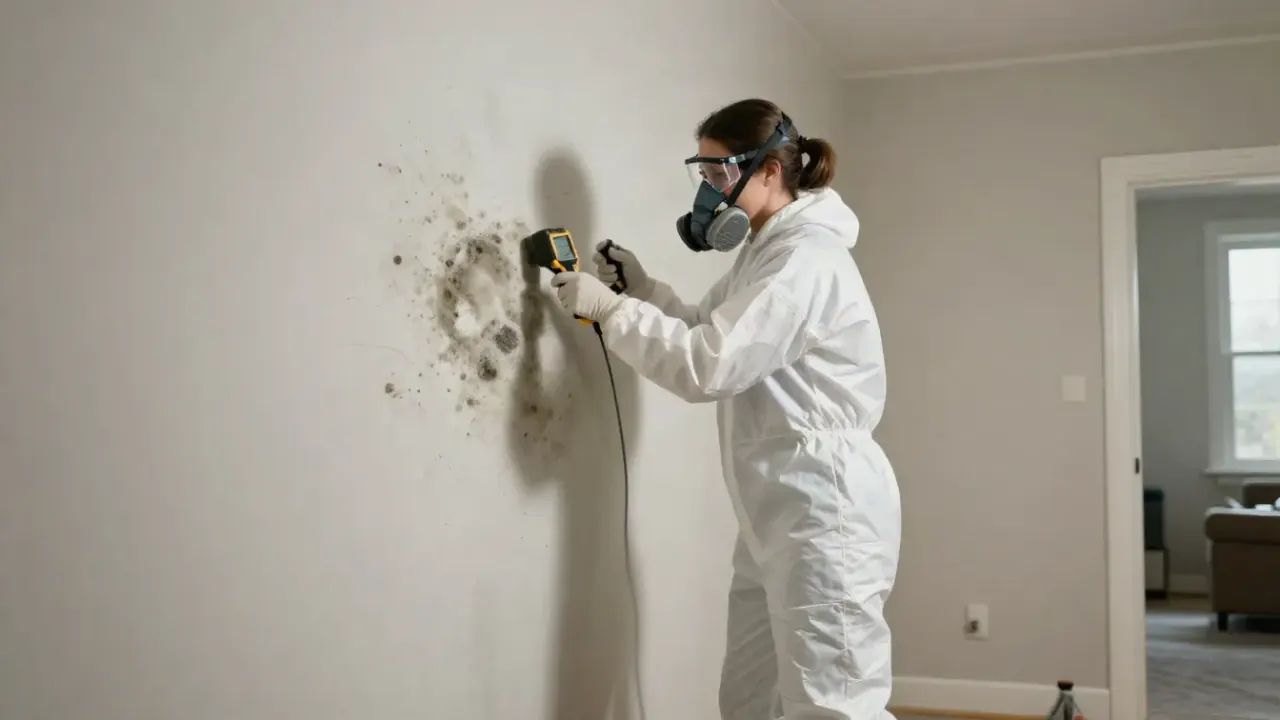
The contractor may examine visible growth, water stains, damp surfaces, and areas near the suspected source of moisture. Depending on the situation, further investigation may be needed around drywall, flooring, insulation, or stored materials.
Determining what needs to be removed or cleaned
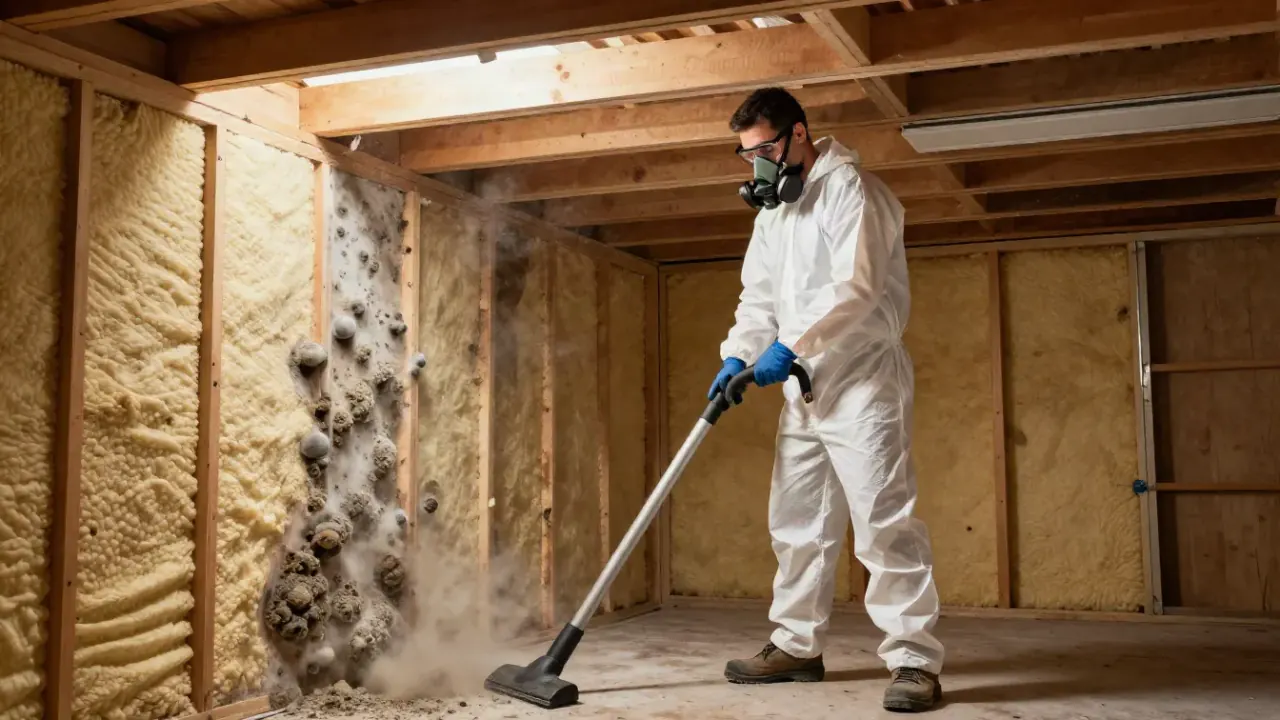
Some hard surfaces may be suitable for cleaning, while porous materials such as damaged drywall, carpet padding, or insulation may require removal. The appropriate method depends on the material and the extent of contamination.
Containing the work area when needed
Depending on the scope of work, a contractor may use containment measures to reduce the spread of dust and debris into other parts of the property.
Drying the basement
Affected materials need to be dried, and the conditions that caused the moisture need to be addressed. Depending on the problem, this may involve repairing a leak, improving humidity control, or arranging separate drainage or foundation repairs.
Before approving a project, request a written scope that explains which areas are included, what materials may be removed, and which repairs are not included.
Need a quick answer?Talk with us about your property.(930) 758-0114
Costs and quotes
How Much Does Basement Mold Remediation Cost?
There is no single price for every basement. The cost depends on the amount of affected material, the accessibility of the area, and the work required to address the problem.
Factors that can affect a quote include:
Ask the contractor to explain the price, the work included, and any possible additional charges. If two quotes differ significantly, compare their written scopes rather than looking at the total price alone.
Evansville Mold Pros is a referral service and does not set independent contractors' prices.
How every request is handled.
Tell us what you foundGet connectedWritten quoteYou decide
DIY or professional?
Can You Clean Basement Mold Yourself?
A small area of mold on a suitable hard surface may be manageable without professional remediation. However, the decision depends on the material, the extent of growth, the source of moisture, and the risk of spreading contamination.
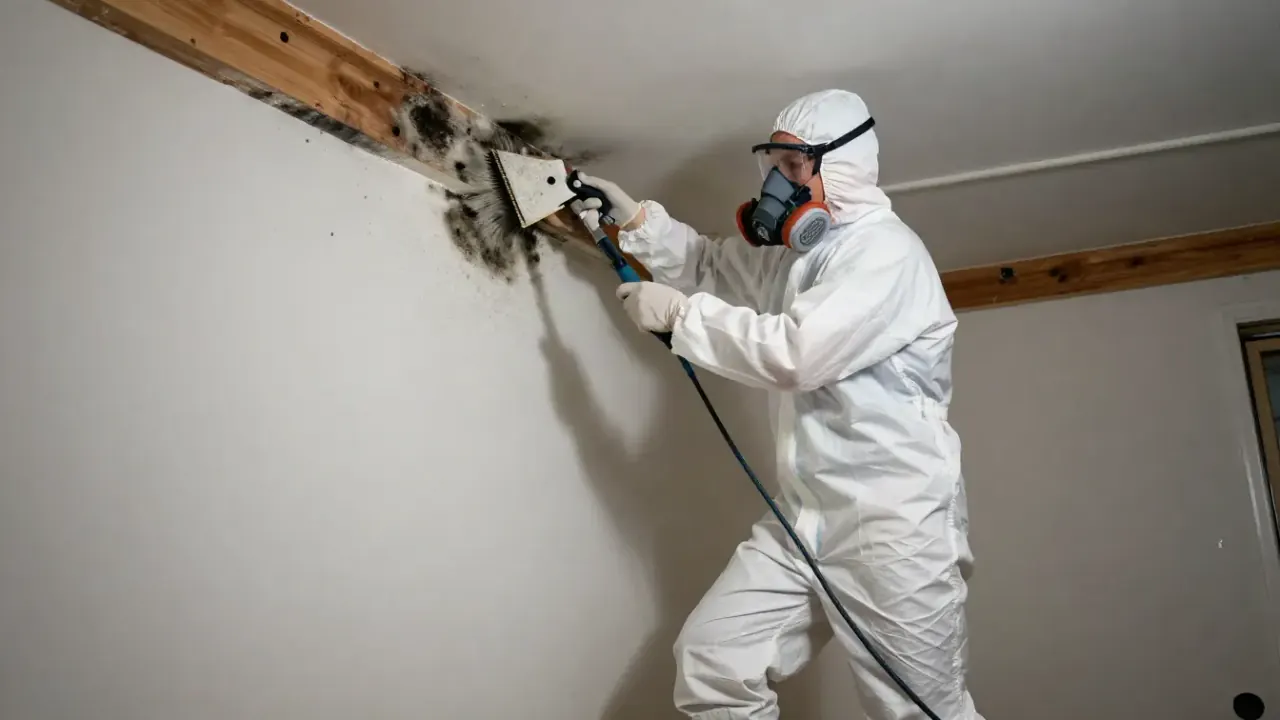
For limited cleanup, use appropriate protective equipment, clean suitable hard surfaces with detergent and water, and dry them completely. Do not paint over mold or mix bleach with ammonia or other cleaning products.
Porous materials can be harder to clean thoroughly. Carpet padding, damaged drywall, and some insulation may need to be removed if affected.
Consider professional help if the mold covers an extensive area, the basement has widespread water damage, growth may be concealed inside walls, or the heating and cooling system may be affected. Extra caution is also appropriate when people in the home have asthma, allergies, or weakened immune systems.
The US Environmental Protection Agency provides more information in its Brief Guide to Mold, Moisture and Your Home.
Prevention
How to Help Prevent Basement Mold From Returning
After remediation, controlling moisture can help reduce the risk of another problem.
Keep rainwater away from the foundation. Clean gutters, check downspouts, and make sure water is directed away from the house where practical.
Repair leaks promptly. Check plumbing, water heaters, and nearby fixtures. Do not ignore small leaks or recurring damp spots.
Control humidity. The EPA recommends keeping indoor humidity below 60 percent, ideally between 30 and 50 percent when practical. A dehumidifier may help, but it will not correct an active leak.
Dry wet materials quickly. Dry water damaged areas and belongings as soon as possible. The EPA advises drying wet materials within 24 to 48 hours when possible to help prevent mold growth.
Inspect stored belongings. Keep moisture sensitive items away from damp walls and floors. Cardboard, paper, and fabric can retain moisture.
Watch for recurring signs. New water stains, condensation, or a returning musty odor may indicate that the original moisture problem has not been fully resolved.
Service areas
Basement Mold Remediation in Evansville and Nearby Areas
Basement moisture can affect properties in Evansville and surrounding communities. Heavy rain, water entering through foundation walls, plumbing leaks, and humid conditions can all contribute to damp basement environments.
The cause varies from one property to another. A basement with a leaking pipe may need a different solution from one affected by recurring water intrusion after rainfall.
Evansville Mold Pros helps property owners connect with independent contractors for basement mold assessments and written quotes. Connections in nearby communities such as Newburgh, Boonville, and Mount Vernon depend on participating contractor coverage.
Where we work
Evansville and nearby communities.
Yes. Mold can develop on the back of drywall or nearby materials when moisture is present. A musty smell or recurring dampness may justify further investigation, but opening walls without a plan can disturb concealed materials.
No. A musty odor can indicate damp materials or other moisture related issues, but it does not confirm mold by itself. The source should be investigated.
The timeline depends on the affected area, the materials involved, drying requirements, and any necessary repairs. The independent contractor can provide an estimate after reviewing the situation.
It can return if moisture remains or develops again. Correcting leaks, water intrusion, or condensation is an important part of reducing the risk of recurrence.
Coverage depends on your policy and the cause of the damage. Some sudden water events may be covered, while long term moisture problems may be excluded. Contact your insurer to discuss your specific policy.
Call (930) 758 0114 or submit the contact form on this page. Evansville Mold Pros can connect you with an independent contractor who can discuss availability, assess the situation as needed, and provide pricing for proposed work.
Keep exploring
Related Services
From the blog
Guides Related to Basement Mold Remediation
Mold Guides
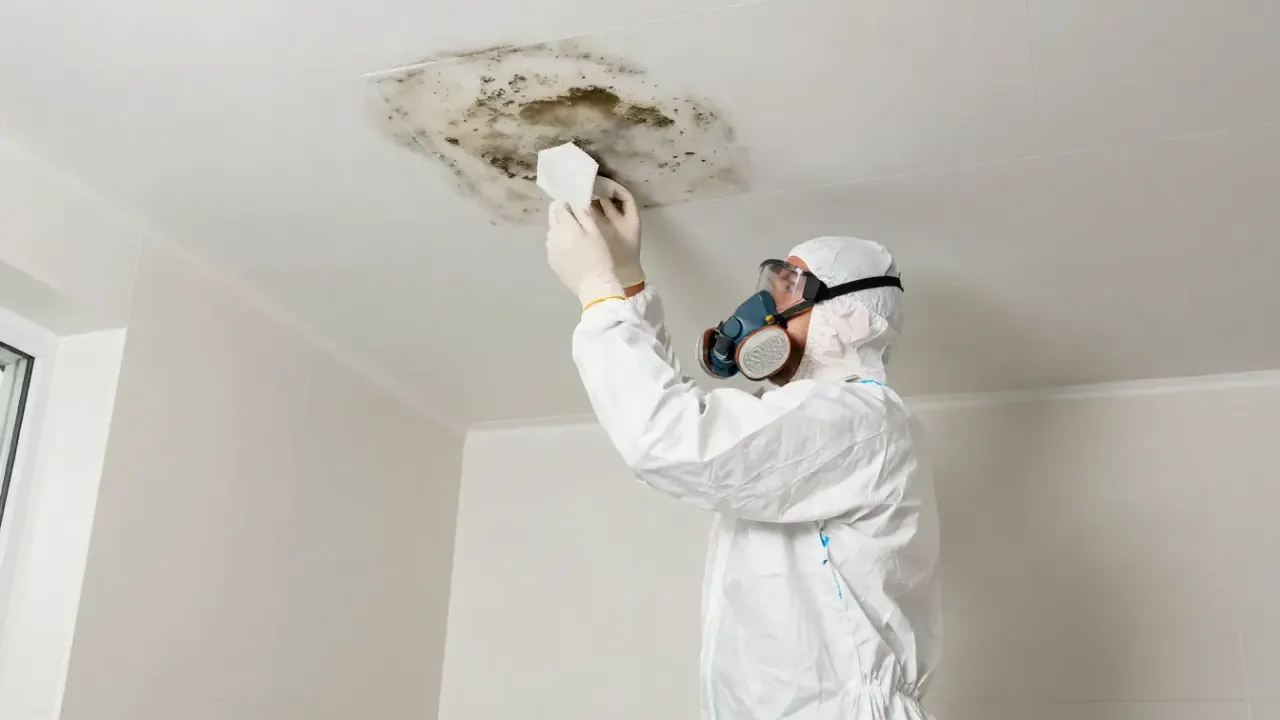
How to Get Rid of Mold in a Basement
Learn how to address basement mold, identify moisture sources, clean suitable surfaces, and prevent recurring dampness and mold growth.
Read the guide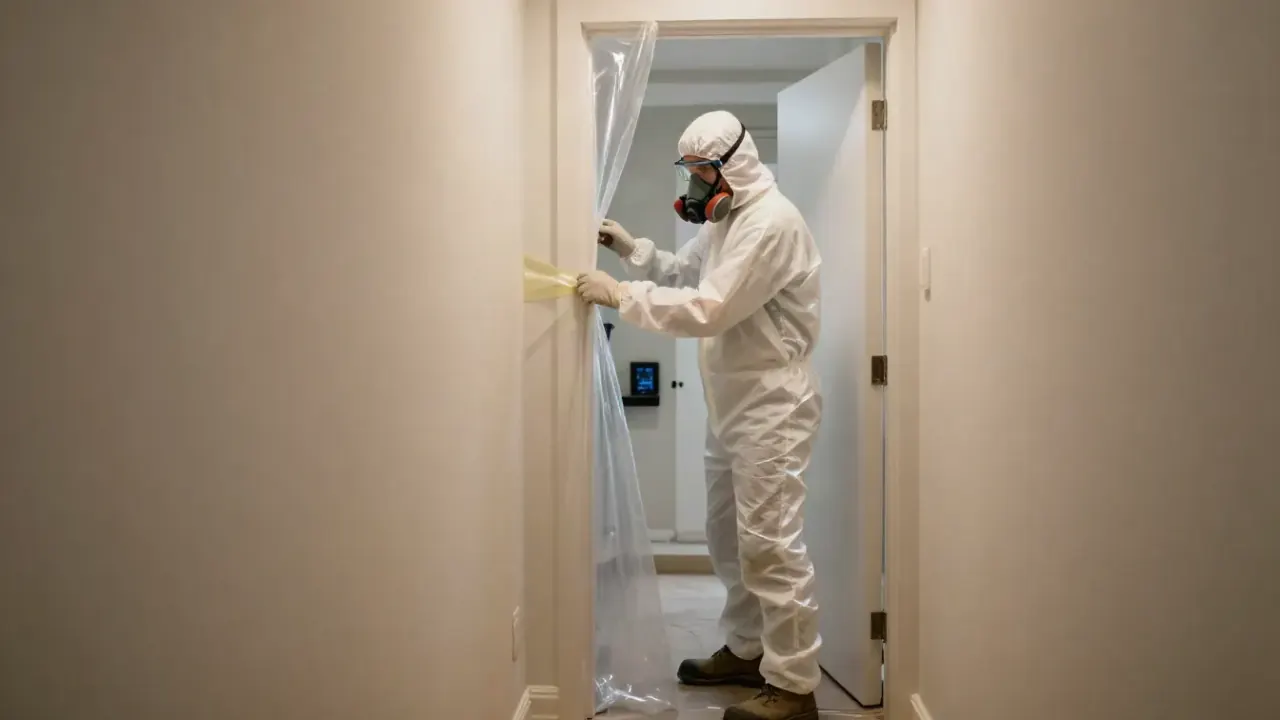
Mold Guides
What Causes Mold in a House? 7 Common Reasons
Discover what causes mold in a house, from plumbing leaks and high humidity to roof damage, condensation, and basement moisture.
Read the guide
Mold Guides
How Much Does Mold Remediation Cost?
Learn what affects mold remediation costs, including affected materials, moisture problems, cleanup, and repairs before requesting a contractor quote.
Read the guideYour next step is waiting
Request a Basement Mold Remediation Quote
If your basement has visible mold, recurring dampness, or a persistent musty odor, finding the source of moisture can help you understand what needs attention.
Call (930) 758 0114 or submit the contact form to request a connection with an independent mold remediation contractor serving Evansville, Indiana.
Evansville Mold Pros is a referral service. Independent contractors determine their own availability, pricing, qualifications, recommendations, and scope of work.
Start with the basics
Contact Evansville Mold Pros
Evansville Mold Pros is a referral service. Independent contractors perform the assessment and remediation work, set their own prices, and confirm timing and job details directly with you.