How to Get Rid of Mold in a Basement
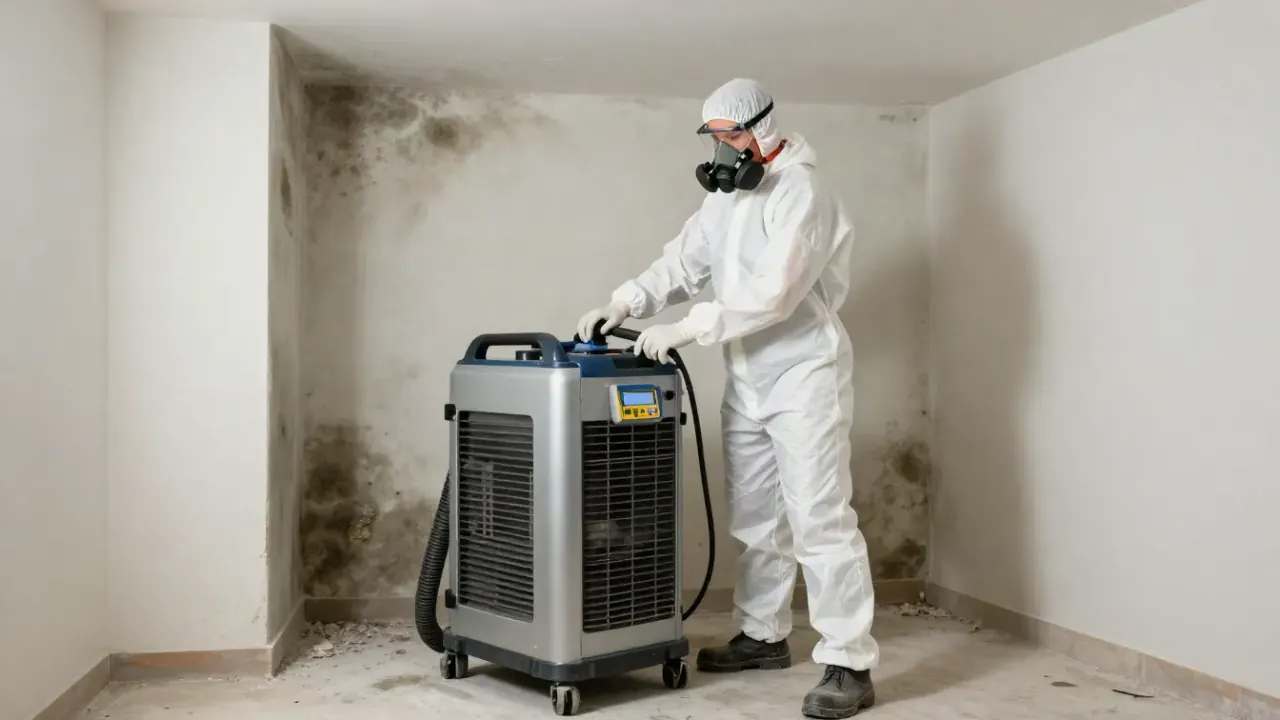
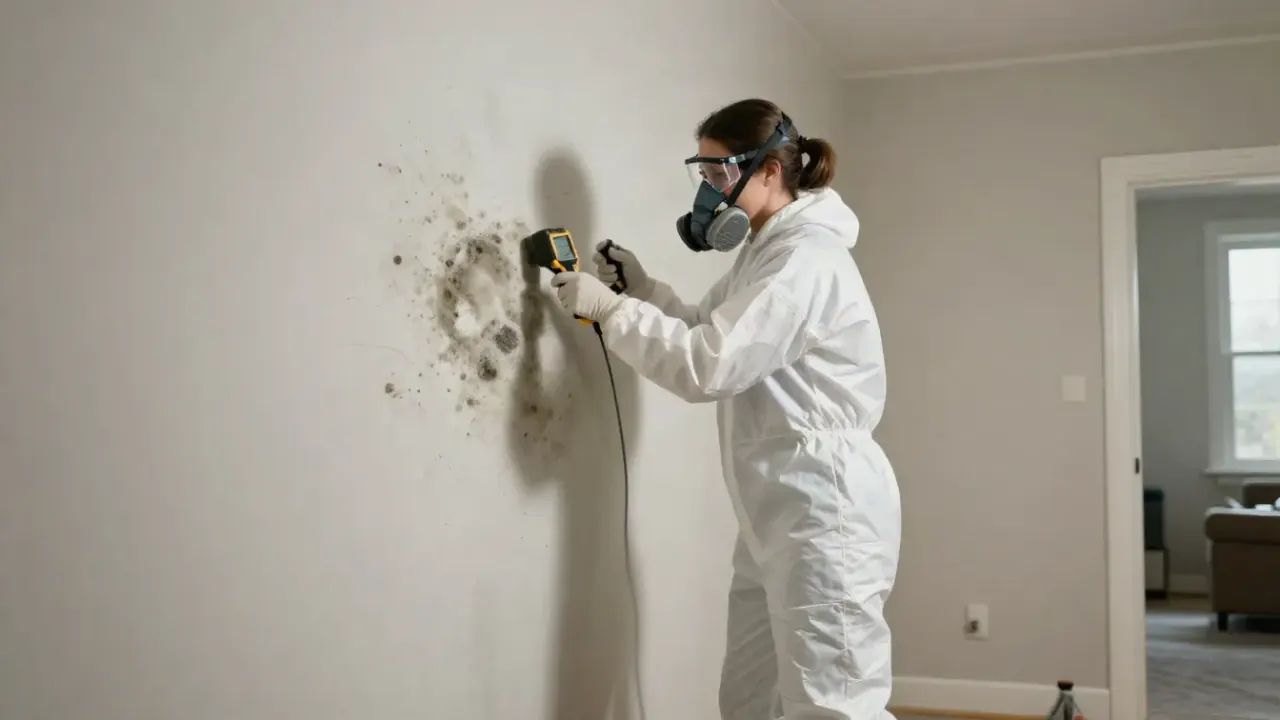
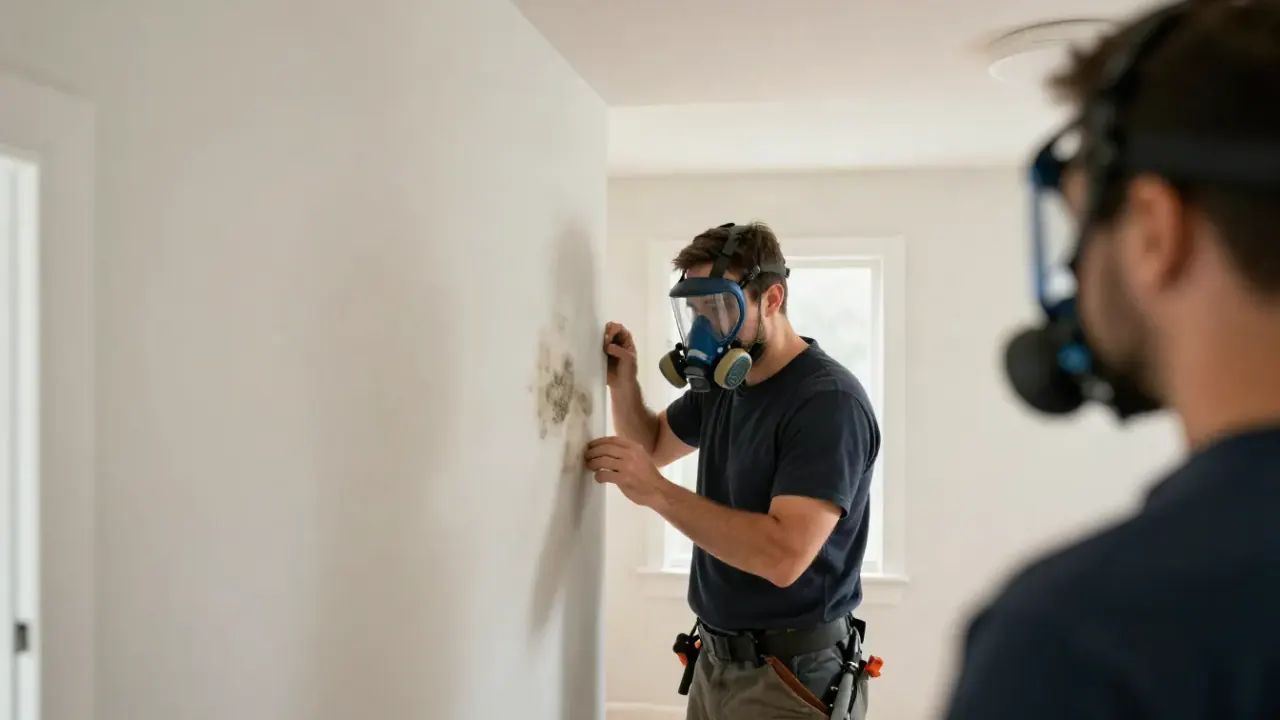
Basements can develop mold when water enters through foundation walls, plumbing leaks, condensation, or other sources of moisture. You may notice dark spots on walls, a musty smell, damp belongings, or discoloration around stored items.
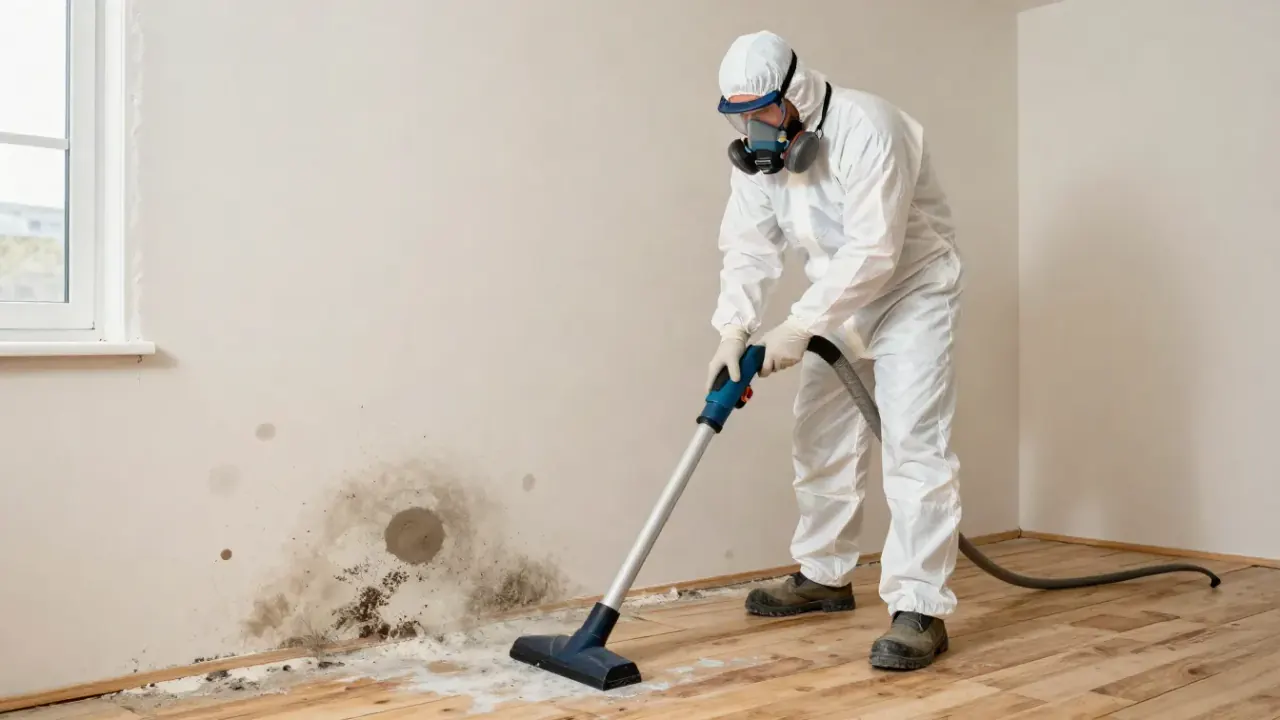
Cleaning visible mold may help in some situations, but it will not solve the problem if moisture continues to enter the basement. The right response depends on the affected materials, the size of the area, and the source of the water.
For homeowners in Evansville, Indiana, understanding why the basement is damp is an important first step toward addressing mold and reducing the chance of it returning.
Why Does Mold Grow in Basements?
Basements often have less natural airflow than upper floors, and some are vulnerable to moisture entering through the foundation or accumulating on cool surfaces.
Common causes include:
- Water entering through foundation walls or floors
- Plumbing leaks and leaking water heaters
- Poor drainage around the foundation
- High indoor humidity and condensation
- Wet carpet, cardboard, or stored belongings
- Materials that were not fully dried after flooding or a leak
Mold can grow on drywall, wood, carpet, paper products, and other materials when moisture remains long enough. A musty smell or water stain may indicate a moisture problem, but neither confirms mold by itself.
1. Find the Source of Basement Moisture
Before cleaning suspected mold, investigate why the basement is damp.
Look for water stains, damp walls, wet flooring, leaking pipes, condensation on cold surfaces, or water collecting near the foundation. Consider whether the problem appears after rain, plumbing use, or periods of high humidity.
Check gutters and downspouts, and make sure rainwater is directed away from the foundation where appropriate. Persistent water entry may require drainage or foundation repairs.
If you discover a plumbing leak, arrange repairs. If water is entering through the foundation, the solution will depend on the source and conditions around the property.
Do not assume a dehumidifier alone will solve every basement moisture problem. It can reduce humidity, but it cannot repair a leak or stop water intrusion.
2. Assess the Affected Materials
The material affected by mold helps determine the appropriate cleanup method.
Concrete and Other Hard Surfaces
Some intact hard surfaces may be suitable for cleaning, depending on the extent of growth and the condition of the material. Follow product instructions and dry the surface thoroughly afterward.
Concrete can also remain damp because of moisture entering through the foundation or condensation. Cleaning without addressing the moisture may allow growth to return on nearby materials.
Drywall and Insulation
Drywall and some insulation materials can absorb water. If they are damaged, remain damp, or are extensively affected, surface cleaning may not be enough.
Further assessment may be needed to determine whether removal is appropriate.
Carpet and Upholstered Items
Wet carpet, padding, and upholstered belongings can be difficult to dry thoroughly after significant water exposure. Whether an item can be cleaned and retained depends on the material, the extent of contamination, and how long it remained wet.
Avoid keeping items that remain damp or have persistent mold growth without determining whether they can be safely restored.
Wooden Framing and Stored Items
Wood may be cleanable in some situations, but the appropriate approach depends on the condition of the material and the extent of growth.
Cardboard, paper, and other absorbent belongings may also retain moisture. Remove wet items from the affected area when it is safe and practical to do so.
3. Clean Small Areas Carefully
A small area of growth on a suitable, intact surface may be manageable with appropriate precautions. Before cleaning, consider the size of the affected area and whether disturbing it could spread dust or debris.
For a suitable hard surface:
- Follow the instructions for the cleaning product.
- Wear appropriate protective equipment, such as gloves and eye protection.
- Avoid dry brushing or sanding that could release particles.
- Never mix cleaning products, especially bleach with ammonia or other cleaners.
- Avoid saturating nearby porous materials.
- Dry the surface thoroughly after cleaning.
Cleaning products should be suitable for the material. Bleach is not required for every mold cleanup.
Avoid attempting to clean extensive growth, damaged building materials, or suspected mold inside enclosed spaces without considering the potential hazards. Seek appropriate professional advice when the area is large, the materials are deteriorating, or the source of moisture is unclear.
4. Reduce Basement Humidity
High indoor humidity can contribute to condensation and mold growth, particularly on cool basement walls, pipes, and other surfaces.
The U.S. Environmental Protection Agency recommends keeping indoor relative humidity below 60 percent when possible, ideally between 30 and 50 percent.
You can help manage basement humidity by:
- Monitoring humidity with a hygrometer
- Using a dehumidifier when needed
- Keeping suitable airflow around stored belongings
- Drying wet surfaces promptly
- Addressing condensation on pipes and walls
- Repairing leaks and water intrusion
A dehumidifier can help control moisture in the air, but persistent dampness in the foundation or building materials may need a separate solution.
5. Dry the Basement After Water Damage
If a basement floods or experiences a significant leak, prompt action can help reduce the chance of mold growth.
When it is safe to do so:
- Stop the source of water.
- Avoid entering areas with electrical or structural hazards.
- Remove standing water using appropriate methods.
- Dry wet materials promptly.
- Move damp belongings to a suitable drying area.
- Arrange further assessment if moisture remains inside walls, flooring, or insulation.
The EPA advises drying water damaged areas and items within 24 to 48 hours when possible to help prevent mold growth. This is a useful target, not a guarantee that mold will not develop.
If flooding involved potentially contaminated water or affected extensive building materials, seek appropriate professional assistance rather than treating it as a routine surface cleaning task.
6. Know When Basement Mold Needs Professional Attention
Consider seeking appropriate professional advice if:
- Mold covers a large area or keeps returning.
- Drywall, carpet, insulation, or wood is extensively damaged.
- Water continues entering through the foundation.
- You suspect mold behind finished walls or beneath flooring.
- A significant leak or flooding event affected the basement.
- You cannot identify the source of persistent moisture.
An assessment may help identify visible growth, moisture damage, and possible sources of water intrusion.
Learn more about Mold Inspection if you want to understand what an inspection may involve.
If remediation is needed, the work may include cleaning suitable materials, removing damaged materials, managing debris, and addressing moisture conditions. The appropriate scope depends on the property and the affected area.
Do You Need Mold Testing in a Basement?
Not necessarily. Mold testing may be useful when sampling can answer a specific question, but it is not automatically required whenever visible mold is present.
The EPA explains that sampling is often unnecessary when visible mold is present and the affected area can be addressed appropriately.
Testing also does not automatically identify the source of basement moisture. A building assessment may be more useful for understanding why the area remains damp.
If testing is recommended, ask what the samples are intended to establish and how the results may influence the next steps.
Read more about Mold Testing.
How to Prevent Basement Mold From Returning
Reducing the chance of recurring mold starts with controlling the conditions that caused the problem.
- Repair plumbing leaks promptly.
- Address water intrusion and drainage issues.
- Monitor indoor humidity.
- Use a dehumidifier when appropriate.
- Dry wet materials as soon as possible.
- Avoid storing damp cardboard and fabric against basement walls.
- Investigate recurring odors, stains, or damp spots.
If mold returns in the same location, do not rely on repeated cleaning alone. Reassess the moisture source and determine whether hidden materials may be affected.
For more prevention advice, read How to Prevent Mold in Your Home.