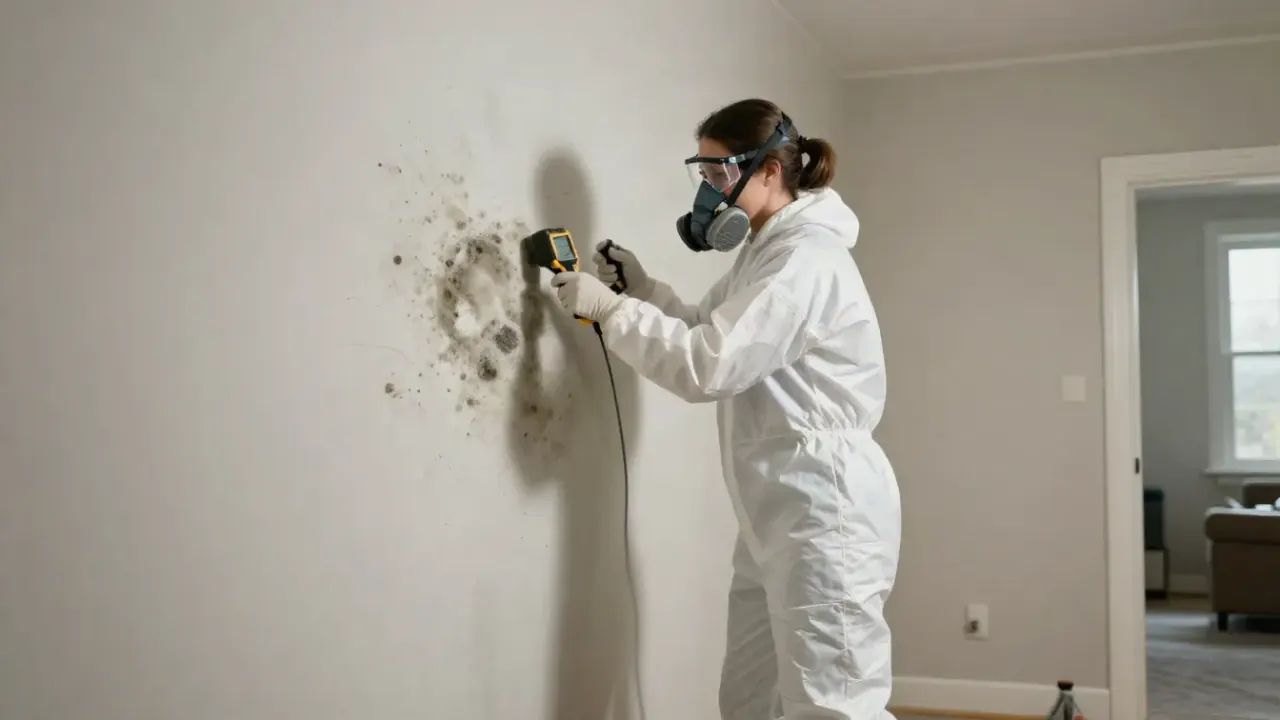
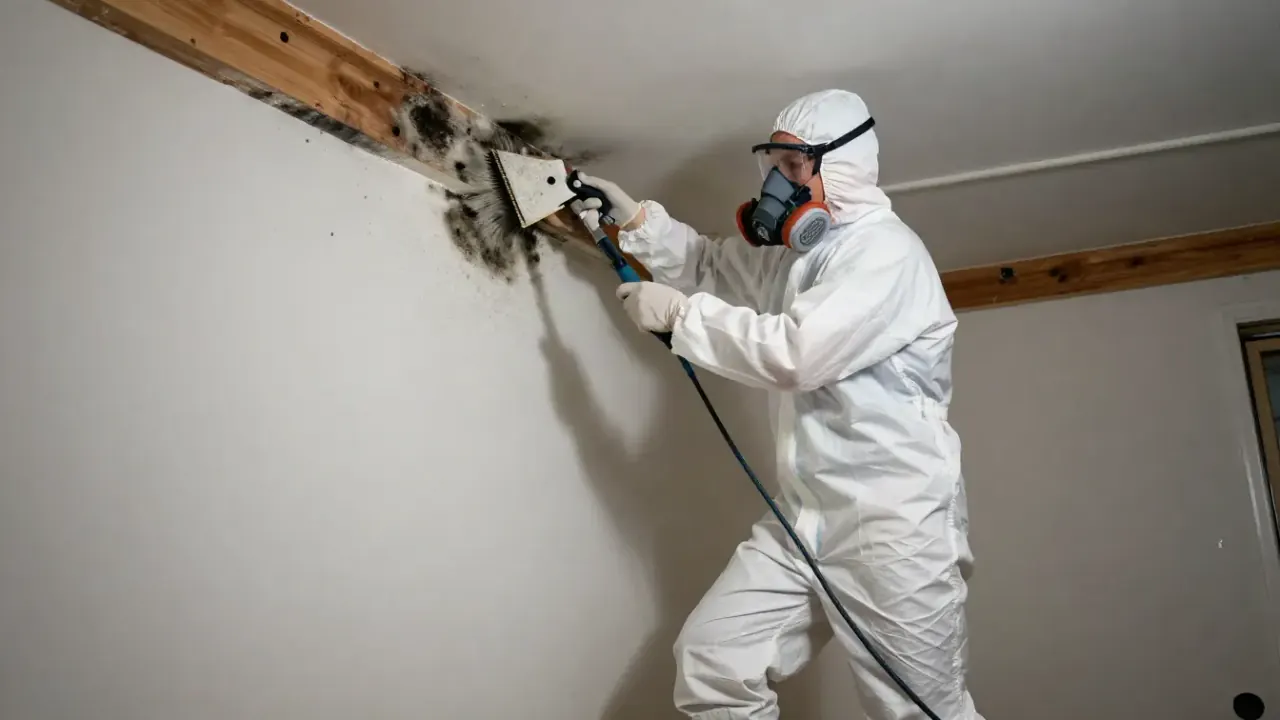
Technician in a protective suit and respirator working on mold near a ceiling beam

Mold and Moisture Resources

Mold and moisture problems can raise questions about your home, possible repairs, and the best way to address affected materials. Understanding the warning signs and the options available can help you decide what to do next.

Local service journal

All Mold and Moisture Guides

The Evansville Mold Pros blog provides practical information about mold remediation, moisture control, inspections, costs, and related home concerns. Whether you have noticed a musty odor, discovered discoloration, or want to reduce the chance of future problems, these guides can help you understand the basics.

Evansville Mold Pros is a referral service that helps property owners seek connections with independent mold related service contractors in Evansville, Indiana, and intended nearby service areas. We do not perform inspections, testing, or remediation ourselves.

Local Guides

How Much Does Mold Remediation Cost?

Finding mold in your home can leave you wondering how much it will cost to address the problem. The price depends on several factors, including the size of the affected area, the materials involved, the source of moisture, and the work needed to correct the damage.

Read the guide
Local Guides

Mold vs. Mildew: What's the Difference?

Mold and mildew are terms people often use when they notice spots or discoloration on walls, ceilings, bathroom surfaces, or other parts of a home. Both are types of fungi that can grow in damp conditions, but the words are not always used in the same way.

Read the guide
Local Guides

How to Prevent Mold in Your Home

Mold can grow indoors when moisture remains on surfaces or inside building materials. A small leak, damp basement, humid bathroom, or roof problem can create conditions that allow mold to develop.

Read the guide
Local Guides

How Long Does Mold Remediation Take?

If you discover mold in your home, one of your first questions may be how long it will take to address the problem. The timeline depends on the size of the affected area, the materials involved, the source of moisture, and whether repairs or additional drying are needed.

Read the guide
Local Guides

How to Get Rid of Mold on Walls

Finding dark spots or discolored patches on a wall can be frustrating, especially when they keep returning after cleaning. Mold can grow on wall surfaces when moisture remains, but the right way to address it depends on the material, the extent of growth, and the source of the moisture.

Read the guide
Local Guides

How to Get Rid of Mold in a Bathroom

Bathrooms are common places for mold to develop because showers, baths, and running water add moisture to the air. When surfaces stay damp or ventilation is poor, mold may appear on grout, caulking, ceilings, walls, and around windows.

Read the guide
Local Guides

How to Get Rid of Mold in a Basement

Basements can develop mold when water enters through foundation walls, plumbing leaks, condensation, or other sources of moisture. You may notice dark spots on walls, a musty smell, damp belongings, or discoloration around stored items.

Read the guide
Local Guides

How to Get Rid of Mold in a Crawl Space

Mold in a crawl space can develop when moisture accumulates beneath a home. Damp ground, plumbing leaks, water intrusion, and condensation can create conditions that allow mold to grow on wooden framing, insulation, and other materials.

Read the guide
Local Guides

How to Get Rid of Mold in an Attic

Mold in an attic often develops when moisture becomes trapped around roof sheathing, rafters, insulation, or other building materials. Roof leaks are one possible cause, but condensation from warm, moist air can also contribute to mold growth.

Read the guide
Local Guides

How to Get Rid of Mold on Wood

Mold can grow on wooden furniture, window frames, floorboards, wall framing, and other wood surfaces when moisture remains for too long. You may notice dark spots, fuzzy patches, discoloration, or a musty smell.

Read the guide

Good to know

Mold Remediation Guides

Learn about common mold concerns, what may affect remediation work, and questions to ask before requesting a quote.

01

Mold Remediation Cost: What Affects the Price?

Wondering how much mold remediation might cost? Learn about the factors that affect estimates, including the affected area, building materials, moisture sources, and additional repairs.

Good to know

Understanding Mold and Mildew

Not sure what you are seeing on a wall, ceiling, or other surface? Learn about common signs and the conditions that allow fungal growth indoors.

Mold vs. Mildew: What's the Difference?

Explore how mold and mildew are commonly described, where they may appear, and why appearance alone cannot reliably identify the type of growth.

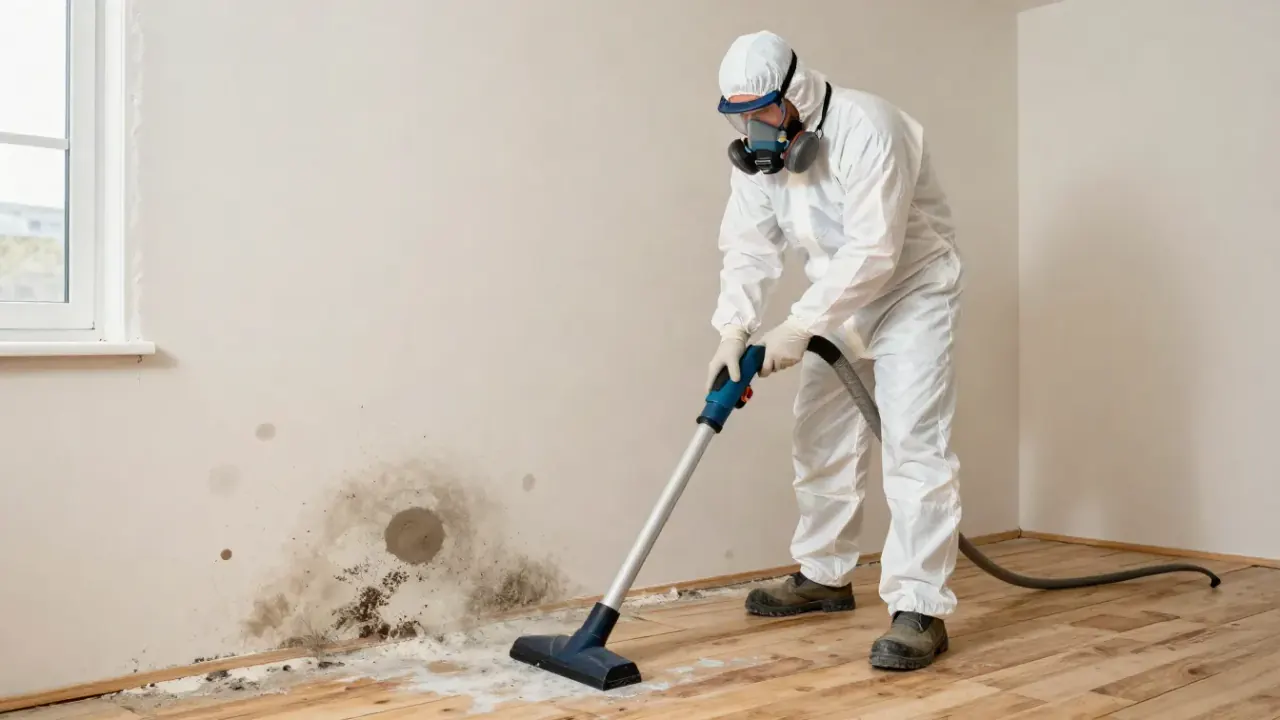
Technician in protective gear using a HEPA vacuum near mold on a lower wall

Insurance

Insurance and Mold Damage

Mold related expenses can raise questions about insurance coverage. Learn what to review before making decisions about repairs or remediation.

Does Homeowners Insurance Cover Mold?

Find out how the cause of damage, policy exclusions, coverage limits, and documentation may affect an insurance claim.

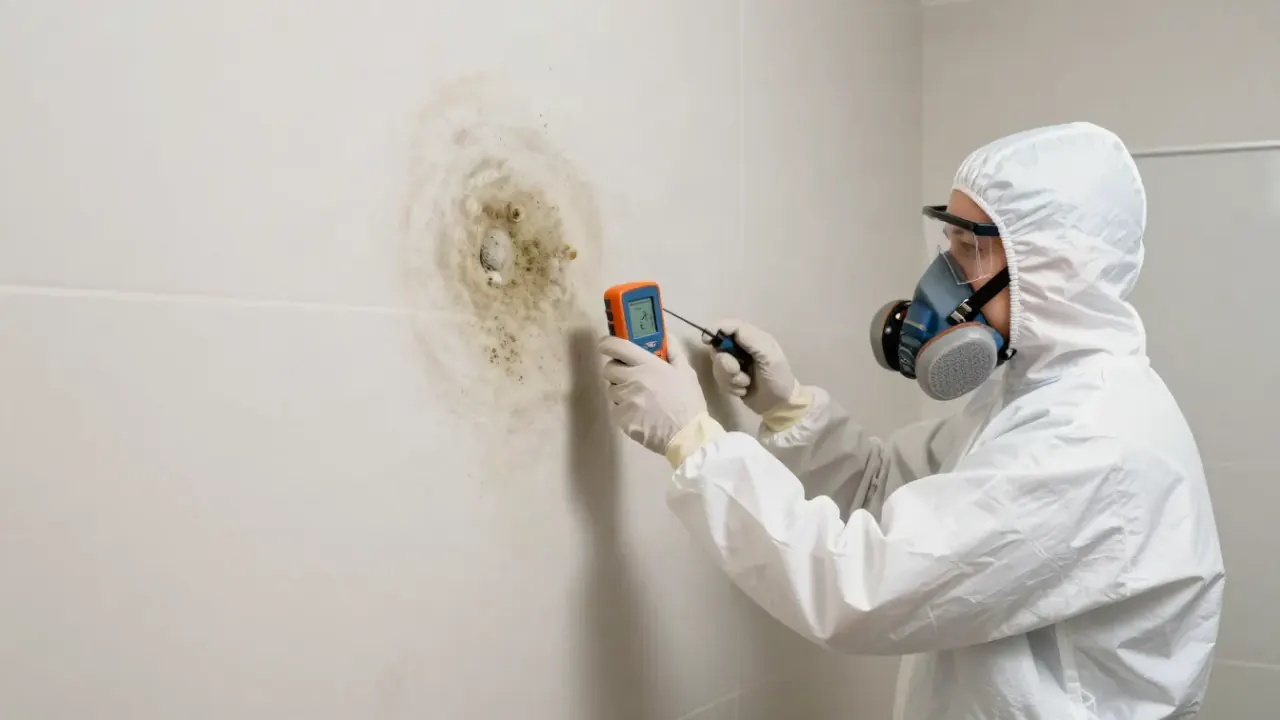
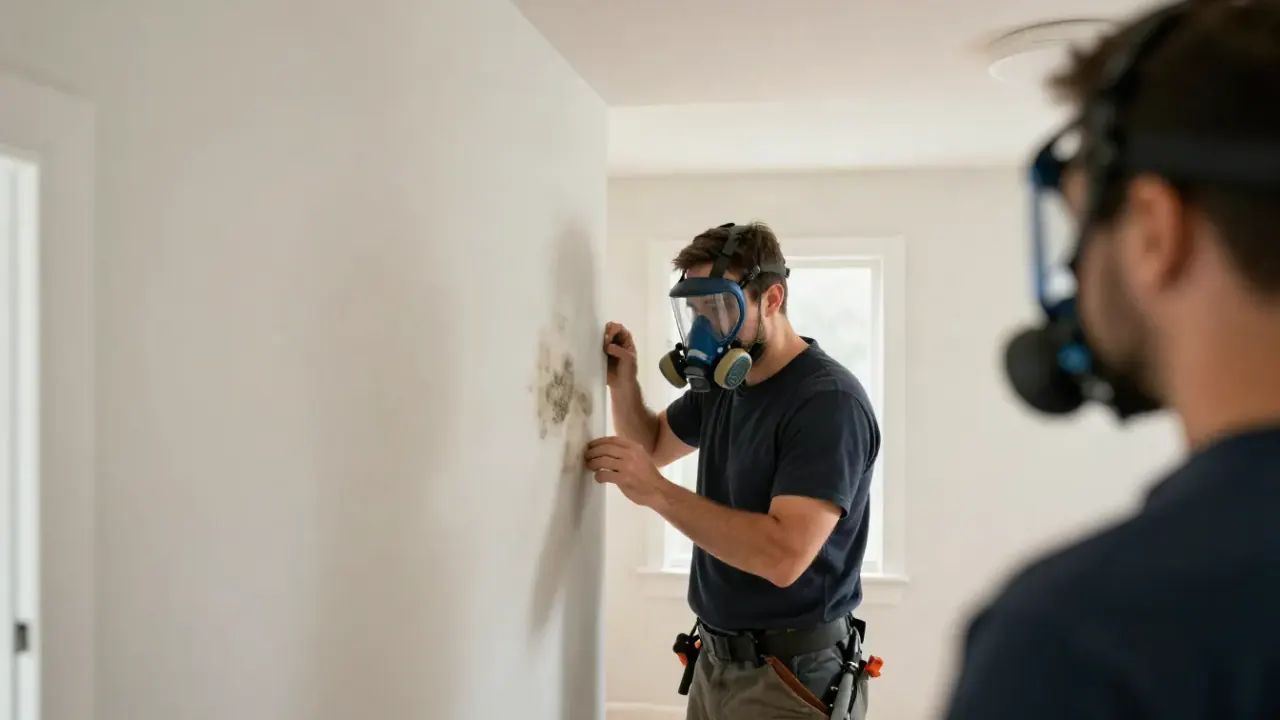
Technician in safety glasses and a respirator checking a wall with a moisture meter

Prevention

Preventing Mold in Your Home

Controlling moisture is an important part of reducing the conditions that allow mold to grow. These practical steps can help you identify common sources of indoor dampness.

How to Prevent Mold in Your Home

Learn how to manage indoor humidity, repair leaks, dry wet materials, improve ventilation, and check areas that may be vulnerable to moisture.

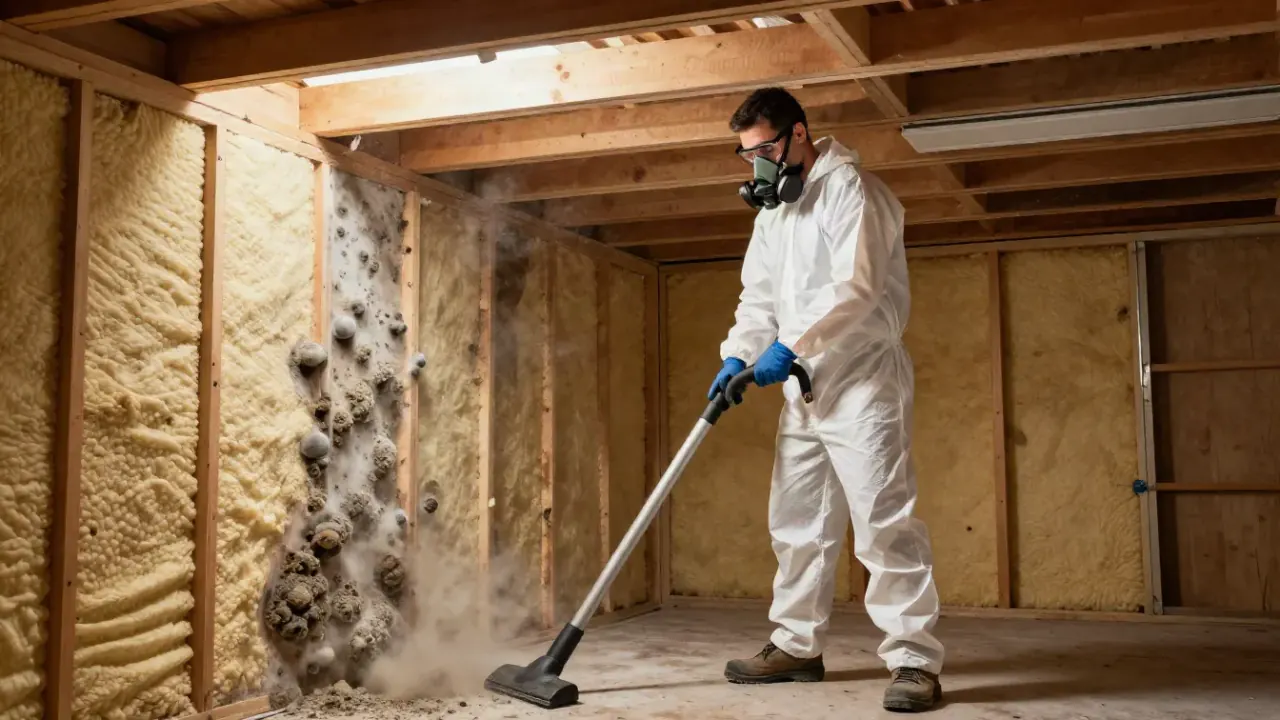
Technician in a protective suit vacuuming mold-affected insulation between wall framing

Good to know

When Should You Seek Professional Help?

Some moisture problems can be addressed with routine maintenance, while others may require further assessment. Consider seeking appropriate professional advice if mold keeps returning, building materials appear damaged, water has entered enclosed spaces, or you cannot identify the source of persistent dampness.

An inspection may help identify visible concerns and possible moisture sources. Mold testing may be useful when sampling can answer a specific question, but it is not necessary in every situation.

Explore our service pages to learn more:

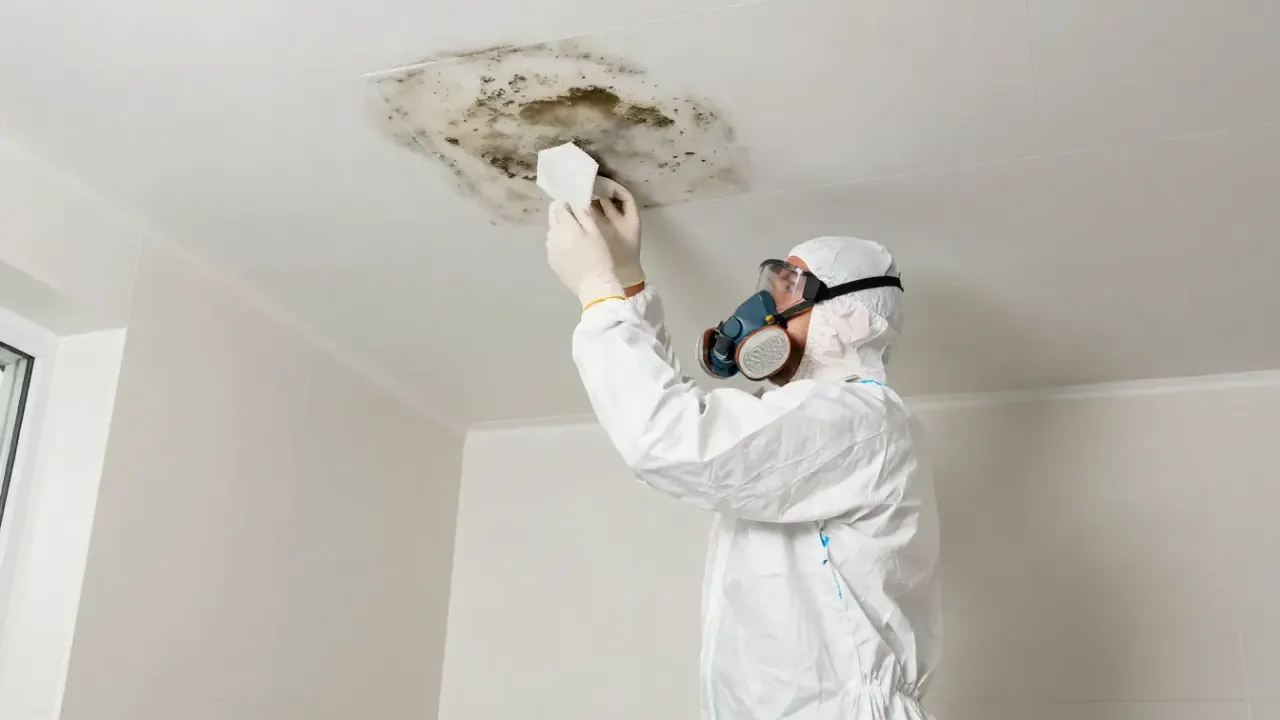
Technician in a respirator collecting a sample from mold on a ceiling
Need a quick answer?Talk with us about your property.(930) 758-0114

Privacy

Mold and Moisture Information for Evansville, Indiana

Homeowners and property managers in Evansville may encounter moisture concerns in basements, crawl spaces, attics, bathrooms, and other areas of a building. The appropriate response depends on the source of moisture, the materials affected, and the conditions at the property.

Our guides provide general information to help you understand these concerns. They do not replace an assessment of your specific property or guarantee a particular result.

For additional guidance, visit the U.S. Environmental Protection Agency's Brief Guide to Mold, Moisture and Your Home.

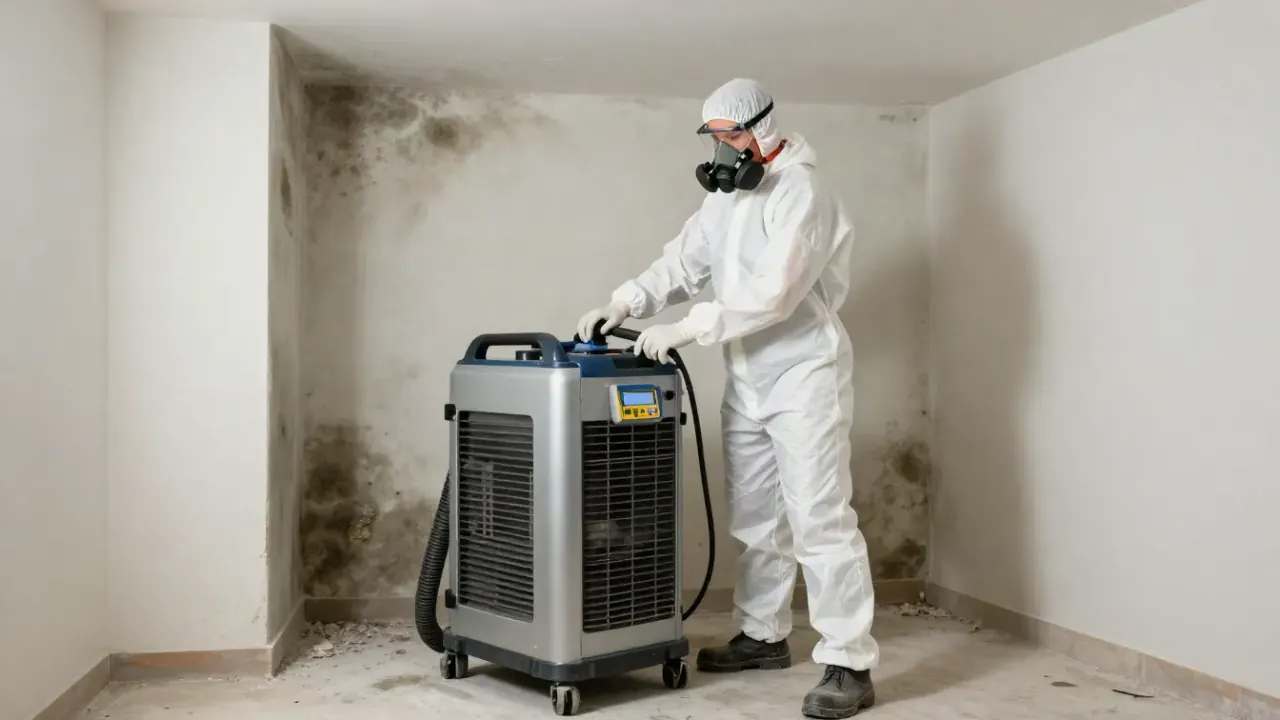
Technician operating an air scrubber in a room with mold on the walls

Your next step is waiting

Need Help Finding a Mold Remediation Contractor?

If you have a suspected mold problem at your Evansville property, Evansville Mold Pros can help you seek a connection with an independent mold related service contractor, subject to availability.

Call (930) 758 0114 or visit our Contact Us page to get started.

Evansville Mold Pros is a referral service, not a mold remediation contractor. Independent contractors determine their own availability, qualifications, recommendations, pricing, and scope of work.

Need service?Call now