Does Homeowners Insurance Cover Mold?
Discovering mold in your home can raise two immediate concerns: how to address the problem and whether your homeowners insurance will pay for the work.
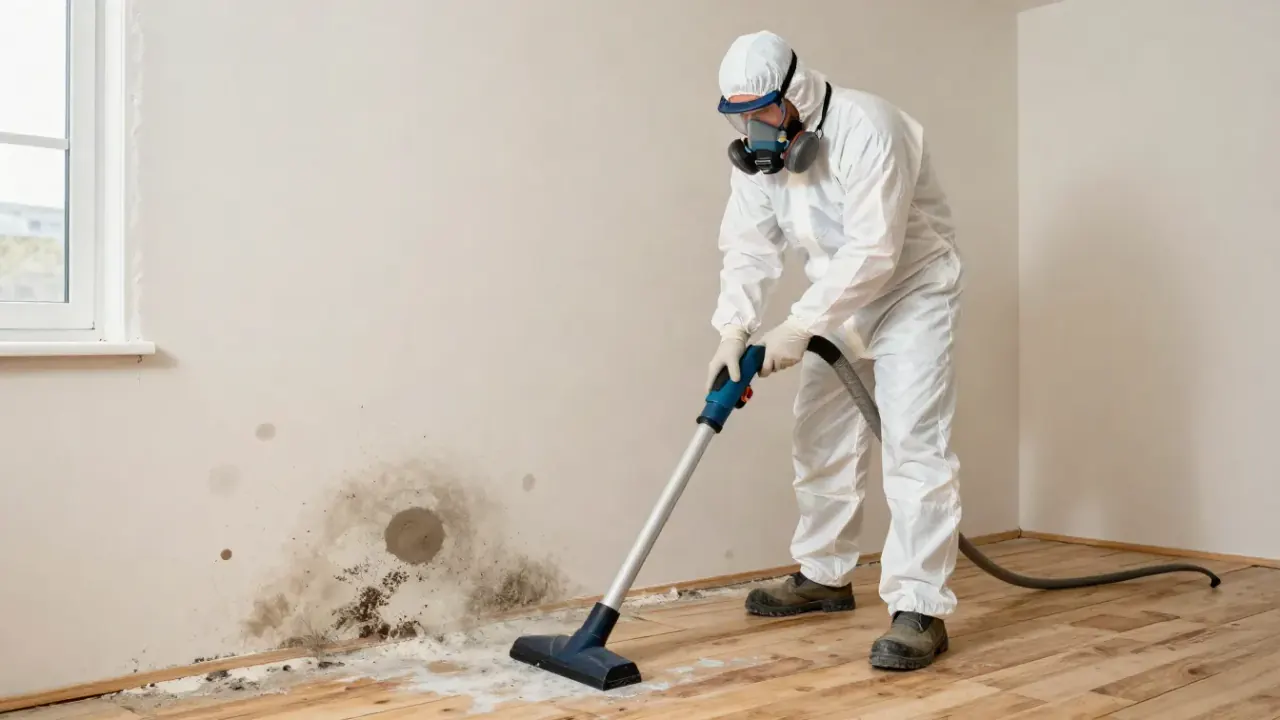
The answer depends on your policy, the cause of the moisture, and the circumstances surrounding the damage. Some policies may cover mold related to a covered water loss, while others may exclude certain causes or limit the amount they pay.
If you have found mold in your Evansville, Indiana, home, review your policy and contact your insurance company before assuming remediation will be covered.
Evansville Mold Pros helps property owners seek connections with independent mold remediation contractors. We do not determine insurance coverage, handle claims on behalf of insurers, or set contractor prices.
When Does Homeowners Insurance Cover Mold?
Homeowners insurance may cover mold damage when it results from a sudden and accidental event covered by the policy. However, coverage depends on the specific policy language, exclusions, limits, and facts of the loss.
For example, if a covered plumbing failure causes water damage and mold develops as a result, your insurer may evaluate the mold damage as part of the claim. This does not guarantee payment for every related expense.
Before arranging work, ask your insurer:
- Is the original water damage covered under my policy?
- Does my policy cover mold resulting from this type of event?
- Are there separate mold coverage limits or exclusions?
- Does the policy cover removal of damaged materials and related repairs?
- Do I need an inspection, photographs, or estimates before work begins?
- Are there steps I must take to prevent further damage?
Ask for explanations of any applicable limits, deductibles, and exclusions in writing when possible.
When Might Mold Not Be Covered?
Insurance policies often distinguish between sudden damage and problems that develop over time. The exact wording of your policy determines how your situation is evaluated.
Long Term Leaks
A slow plumbing leak that continues for months may be treated differently from a sudden pipe failure. Some policies exclude damage caused by repeated seepage or leakage over time.
Poor Maintenance
Damage associated with neglected maintenance or unresolved moisture problems may not be covered, depending on the policy and circumstances.
Flooding
Water entering from external flooding may fall under separate flood insurance provisions rather than standard homeowners coverage. Check your policy and any separate flood insurance documents.
Humidity and Condensation
Mold associated with persistent humidity, condensation, or ventilation problems may be excluded or subject to specific conditions.
Existing or Recurring Mold
An insurer may evaluate recurring mold differently depending on the original cause, previous damage, maintenance history, and policy terms.
These are general examples, not coverage decisions. Your insurer must evaluate the actual circumstances under your policy.
What Should You Do If You Find Mold?
If you discover suspected mold after a leak or water damage, take practical steps to document the problem and limit further damage.
1. Address the Water Source
If it is safe, stop the source of water or arrange the necessary repair. For a plumbing leak, this may mean shutting off the affected water supply and contacting a plumber.
Do not enter areas with electrical hazards, structural damage, or other unsafe conditions.
2. Document the Damage
Take photographs or videos of visible damage, water stains, and affected materials when safe to do so. Record when you first noticed the problem and any known events that may have caused it.
Keep relevant repair records, receipts, and communications with your insurer.
3. Contact Your Insurance Company
Report the damage promptly if you believe it may be covered. Ask about the claims process, required documentation, inspection arrangements, and whether approval is needed before major work begins.
Follow any reasonable steps required by your policy to prevent additional damage.
4. Ask About Remediation Requirements
Your insurer may request an inspection, written estimate, or other documentation. Confirm what is required before authorizing work that may be included in a claim.
If immediate action is necessary to limit further damage, document the situation and contact your insurer as soon as practical.
5. Compare the Proposed Work
Before approving a contractor's estimate, review what it includes. Mold remediation, plumbing repairs, roofing work, and replacement of damaged building materials may be treated as separate expenses.
Ask for a written breakdown so you can discuss the proposed costs with your insurer.
Will Insurance Pay for Mold Inspection and Testing?
Coverage for inspection, sampling, laboratory analysis, and other assessment services depends on your policy and the circumstances of the claim.
Your insurer may have specific requirements about who performs an assessment, what documentation is needed, and whether testing must be approved in advance.
Mold testing is not automatically necessary in every situation. When visible mold is present, sampling may not be needed to establish that affected materials require attention. Testing can be useful when it answers a specific question relevant to the situation.
Before paying for testing, ask your insurer whether it is required or eligible for coverage.
Learn more about the differences between mold inspection and mold testing.
How Much Does Mold Remediation Cost Without Insurance?
If insurance does not cover the work, you may need to pay some or all of the cost yourself. The amount depends on the size of the affected area, the materials involved, accessibility, and the work required to address the moisture source.
A contractor's estimate may include:
- Assessment of the affected area
- Measures to contain dust and debris
- Cleaning suitable materials
- Removal and disposal of damaged materials
- Drying or other moisture control measures
- Additional work needed to access affected areas
Repairs to leaking pipes, roofing, drainage, or other moisture sources may be priced separately.
Request a written estimate that explains the proposed work, exclusions, and potential additional charges. For more details, read our guide to mold remediation costs.
How to Choose a Mold Remediation Contractor
If you need remediation, compare estimates carefully rather than choosing based on price alone.
Ask each contractor:
- What areas and materials are included in the estimate?
- Which materials may need removal or replacement?
- How will the work area be managed?
- Does the estimate include moisture source repairs?
- What costs could arise if hidden damage is discovered?
- Can you provide a written scope of work and payment terms?
- What documentation can you provide for my insurance claim?
You can also ask your insurer whether it has specific contractor, documentation, or approval requirements.
Evansville Mold Pros is a referral service that helps property owners seek connections with independent mold remediation contractors. We do not perform remediation, negotiate insurance claims, guarantee coverage, or set contractor rates. Independent contractors determine their own availability, qualifications, recommendations, pricing, and scope of work.
Mold and Moisture Problems in Evansville Homes
Mold concerns can develop in basements, attics, crawl spaces, bathrooms, and other areas affected by leaks or persistent moisture.
The source of the moisture matters when deciding what to do next and when discussing a potential insurance claim. A roof leak, plumbing failure, and long term condensation problem may be evaluated differently under an insurance policy.
If you suspect mold in your Evansville property, document the condition when safe, contact your insurer if a claim may apply, and determine what work is needed to address the moisture and affected materials.
For general information about mold and moisture, consult the U.S. Environmental Protection Agency's Brief Guide to Mold, Moisture and Your Home.