How Much Does Mold Remediation Cost?
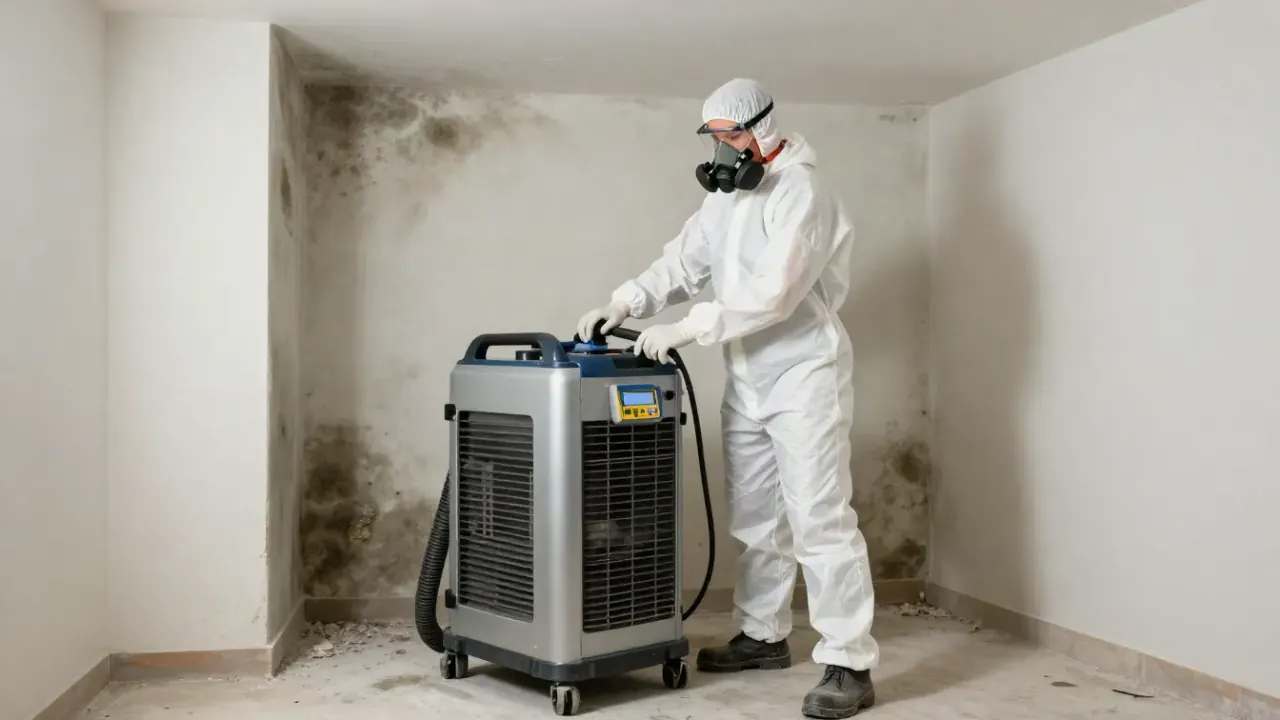
Finding mold in your home can leave you wondering how much it will cost to address the problem. The price depends on several factors, including the size of the affected area, the materials involved, the source of moisture, and the work needed to correct the damage.
For homeowners in Evansville, Indiana, understanding these factors can make it easier to compare estimates and ask contractors the right questions.
Evansville Mold Pros helps property owners connect with independent mold remediation contractors. We do not perform remediation or set contractor prices. The final cost and recommended work depend on the property and the contractor's assessment.
What Affects Mold Remediation Costs?
There is no single price that applies to every mold problem. Two properties with similar looking mold may require different amounts of work.
1. Size of the Affected Area
The amount of affected material can influence labor, cleaning requirements, containment, and disposal costs.
A small, accessible area may require less work than mold affecting several rooms or hidden areas behind building materials. However, visible size alone does not always show the full extent of a moisture problem.
Ask the contractor to explain which areas are included in the estimate and whether additional work may be needed if more affected material is discovered.
2. Type of Material Affected
Different building materials require different approaches.
Nonporous surfaces may sometimes be cleaned, depending on their condition. Porous materials such as drywall, ceiling tiles, and some types of insulation may need removal if they are damaged or cannot be adequately cleaned.
The estimate should explain which materials will be cleaned, which may be removed, and whether replacement costs are included.
3. Location of the Mold
Where mold appears can affect how easily a contractor can reach the area and complete the work.
Basements: Water intrusion, damp walls, and moisture around stored items may contribute to mold concerns. The cause of the moisture can affect the recommended work.
Crawl spaces: Limited access, damp insulation, and moisture affecting wooden framing may add to the time and labor required.
Attics: Roof leaks, condensation, and damp insulation may need attention alongside the affected materials.
Bathrooms and kitchens: Leaks around plumbing fixtures, cabinets, or walls may require repairs before the area can remain dry.
Learn more about basement mold remediation, crawl space mold remediation, and attic mold remediation and removal.
4. The Source of Moisture
Cleaning affected materials without addressing the moisture source may allow the problem to return.
Depending on the property, additional work might involve repairing a plumbing leak, correcting a roof leak, improving drainage, or addressing condensation and ventilation problems.
These repairs may be separate from mold remediation. Ask whether the estimate includes moisture correction or whether you will need to hire another professional.
5. Containment, Cleaning, and Disposal
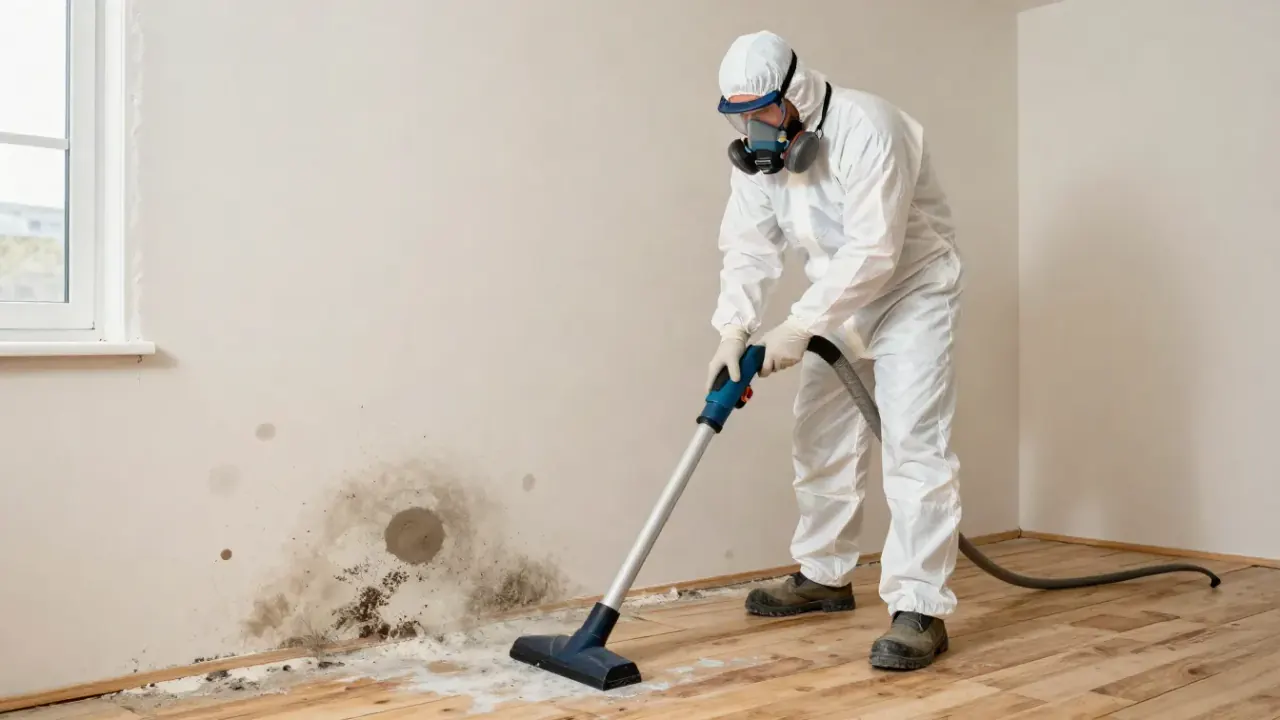
The work plan may include measures to limit the spread of dust and debris, remove affected materials, clean suitable surfaces, and dispose of waste.
The appropriate measures depend on the location, extent of the problem, and materials involved. Ask the contractor to explain the planned work rather than relying on a general description such as “mold removal.”
6. Inspection or Testing
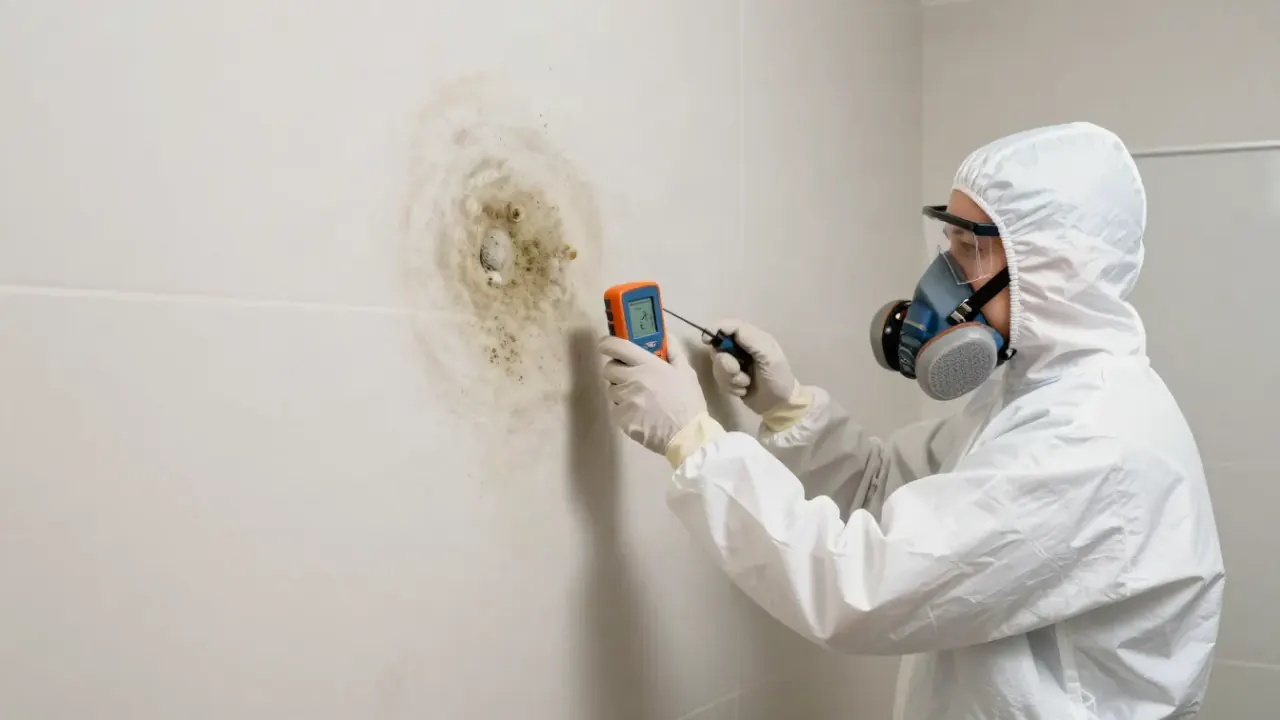
Some situations call for further assessment before a remediation plan can be developed. Testing may also be useful when there is a specific question that sampling can answer.
However, mold testing is not automatically necessary in every case. The U.S. Environmental Protection Agency notes that sampling is often unnecessary when visible mold is present and the affected area can be addressed appropriately.
Read our pages on mold inspection and mold testing to understand how these services differ.
Does Homeowners Insurance Cover Mold Remediation?
Coverage depends on your policy, the cause of the damage, applicable exclusions, and any coverage limits.
For example, your insurer may evaluate mold associated with a covered water loss differently from mold related to long term moisture, neglected maintenance, or a condition excluded by the policy. The outcome depends on your specific circumstances and policy language.
Before approving major work, consider these steps:
- Review your policy for mold, water damage, and remediation provisions.
- Contact your insurance company if you believe the damage may be covered.
- Document visible damage and the events leading to the discovery, where safe to do so.
- Ask whether the insurer requires an inspection, estimates, or approval before work begins.
- Keep copies of contractor estimates, invoices, and related repair records.
Do not assume coverage is guaranteed. Your insurance company is the appropriate source for a decision about your policy.
For more information, read our guide to whether homeowners insurance covers mold.
How to Compare Mold Remediation Quotes
The lowest estimate may not include the same work as a more detailed quote. Comparing the scope of work can help you understand what each contractor proposes.
Before choosing a contractor, ask:
- Which areas and materials are included?
- What will be cleaned, and what may need removal?
- How will the work area be managed?
- Is the moisture source identified, and who will repair it?
- Are disposal, drying, and replacement materials included?
- Could additional costs arise if hidden damage is found?
- What does the contractor recommend after the work is complete?
- What payment terms and written guarantees, if any, apply?
Request a written estimate that lists the proposed work, exclusions, and possible additional charges. Make sure you understand who is responsible for repairs outside the remediation scope.
Can You Save Money by Removing Mold Yourself?
Whether a do it yourself approach is appropriate depends on the extent of the problem, the material affected, and the cause of moisture.
A small area on a suitable hard surface may be manageable with appropriate precautions. Larger areas, recurring mold, hidden moisture, contaminated building materials, or suspected mold in heating and cooling systems can require more careful assessment.
Avoid disturbing materials if doing so could spread mold or dust through the property. Do not paint or seal over affected surfaces as a substitute for addressing the underlying problem.
The EPA's Brief Guide to Mold, Moisture and Your Home provides further information about moisture control and cleanup.
How to Request a Mold Remediation Quote in Evansville
If you are concerned about mold in your Evansville property, the next step is to understand what needs attention and seek an estimate for the proposed work.
Evansville Mold Pros is a referral service that helps property owners seek connections with independent mold remediation contractors. We do not inspect properties, perform mold testing, carry out remediation, or determine contractor prices.
To get started:
- Contact Evansville Mold Pros at (930) 758 0114 or use our contact form.
- Describe the property location and the signs of mold or moisture you have noticed.
- Request a connection with an available independent contractor.
- Discuss the assessment, recommended work, quote, and schedule directly with the contractor.
Contractor availability is not guaranteed. Each independent contractor determines their own qualifications, pricing, recommendations, and scope of work.