
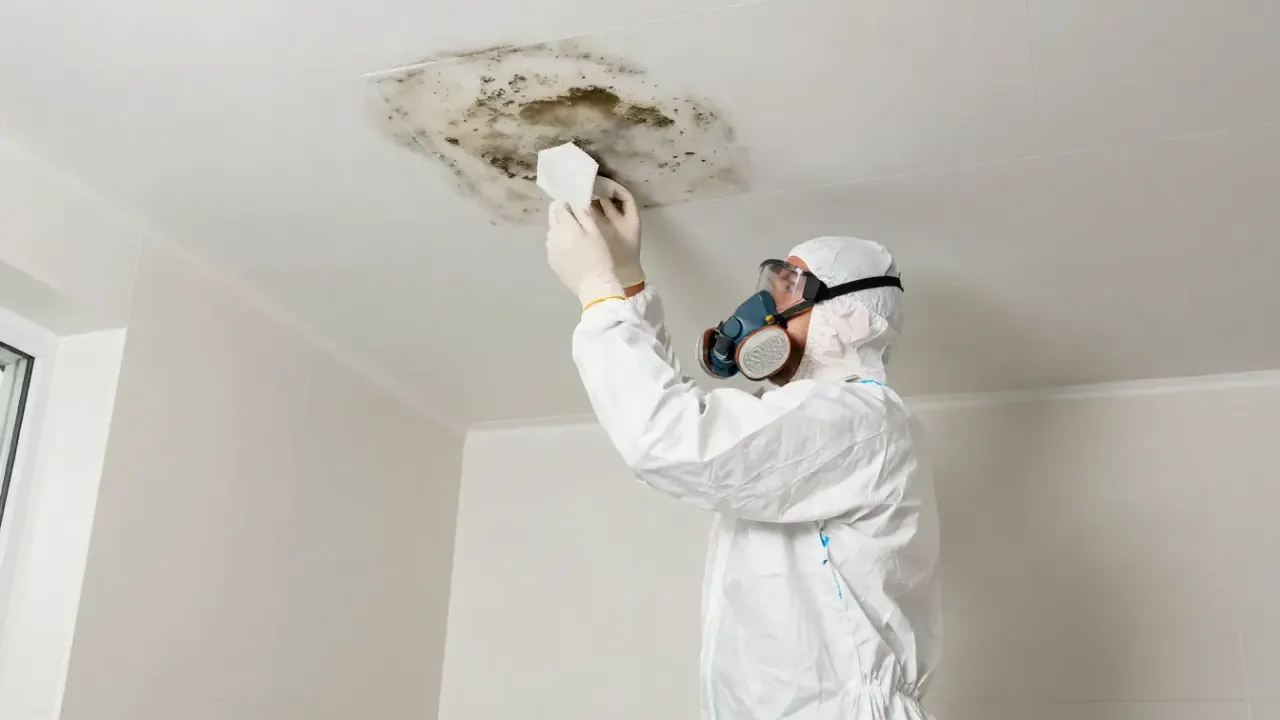
Mold Testing in Evansville, Indiana
If you suspect mold in your home but are unsure what is causing the problem, you may be considering mold testing. Testing can involve collecting air or surface samples and sending them for laboratory analysis. Whether it is useful depends on the conditions at your property and the questions you need answered.
Evansville Mold Pros connects property owners with independent contractors who can discuss suspected mold concerns and available assessment options. If testing may be appropriate, the provider can explain the proposed sampling method, expected costs, and what the results may tell you.
Looking for mold testing in Evansville? Call (930) 758 0114 or submit the contact form to request a connection with an independent provider.
Inspection and testing
When Is Mold Testing Worth Considering?
Mold testing is not necessary in every situation. If mold is already clearly visible, identifying the moisture source and addressing the affected materials may be more useful than collecting samples.
Testing may be worth discussing when:
You suspect hidden mold
A persistent odor or history of water damage may raise concerns about concealed growth, although testing alone may not identify every hidden source.
You need to investigate a specific concern
Sampling may help answer a defined question about mold particles in a particular area.
You need additional information after an assessment
A professional may recommend testing when visual observations alone cannot address the question being investigated.
You want to compare particular conditions
In some circumstances, samples from different locations or times may help evaluate a specific concern. Results depend on the sampling method and conditions when samples are collected.
A building related concern requires further investigation
A property owner may want additional information following water damage or other conditions that could support mold growth.
Before agreeing to testing, ask why it is recommended and how the results will affect the next steps. Testing is most useful when there is a clear purpose for collecting the samples.
Inspection and testing
Types of Mold Testing
The appropriate method depends on the property, the suspected problem, and the question being investigated. Not every testing service includes every type of sample.
Air sampling
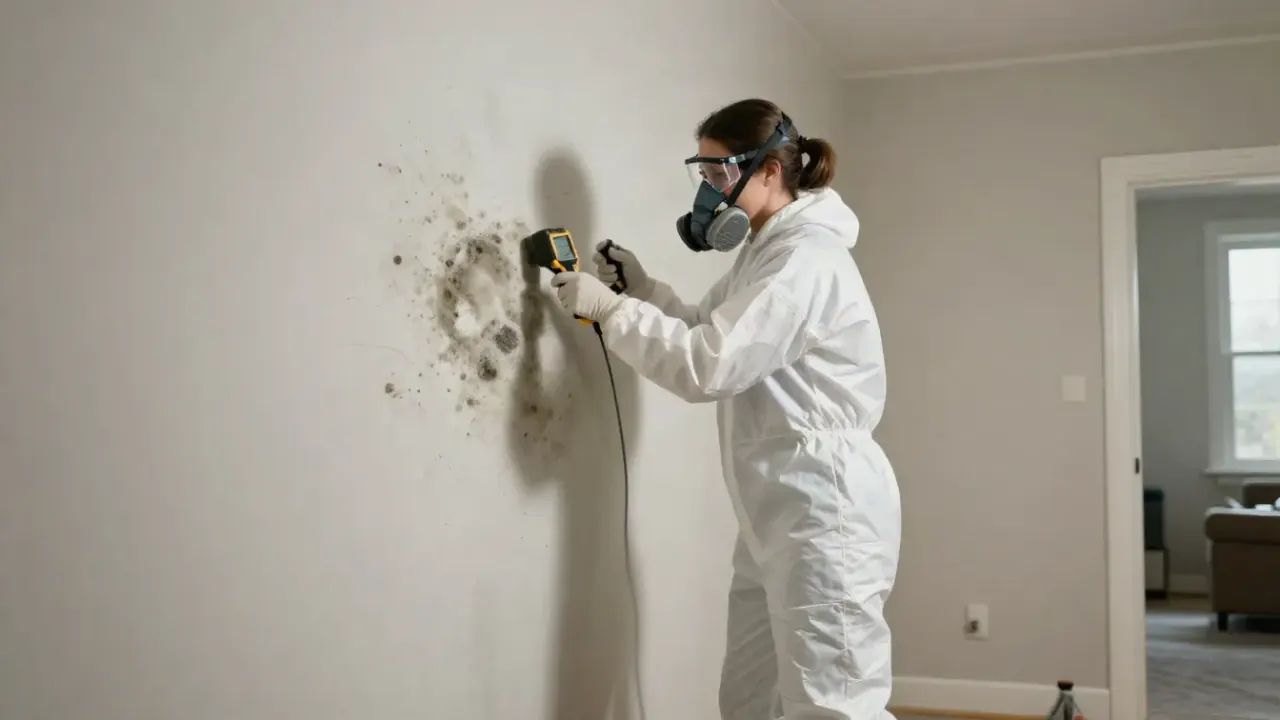
Air sampling collects a sample of airborne particles for analysis. Depending on the method, the laboratory may report the types or quantities of mold spores identified in the sample.
Results can be affected by indoor and outdoor conditions, recent activity, airflow, and the sampling method. A sample represents the conditions during collection, not necessarily what was present at every other time or location.
Air sampling should be interpreted in context rather than treated as a standalone verdict on whether a building is safe.
Surface sampling
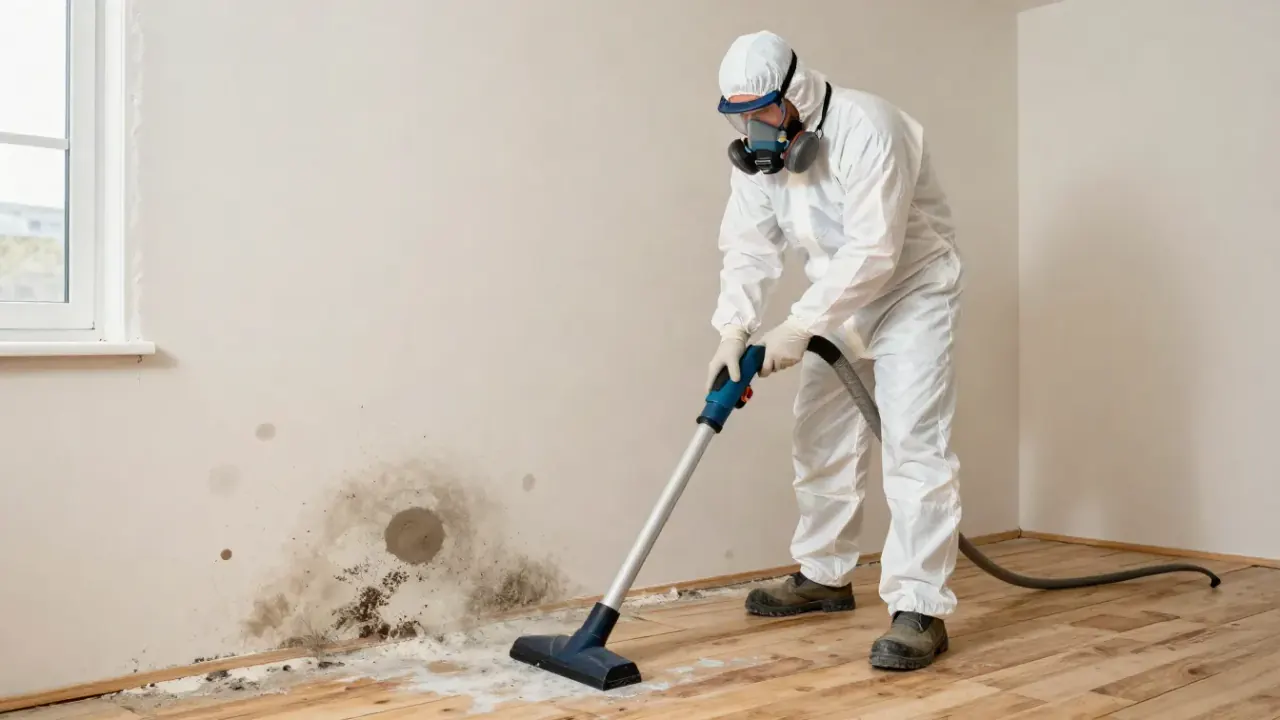
Surface sampling collects material from a selected area, often using a swab, tape lift, or another suitable method. It may help identify mold present on the sampled surface.
A surface sample only represents the area sampled. It cannot establish the condition of every wall, room, or concealed space in the property.
Bulk sampling
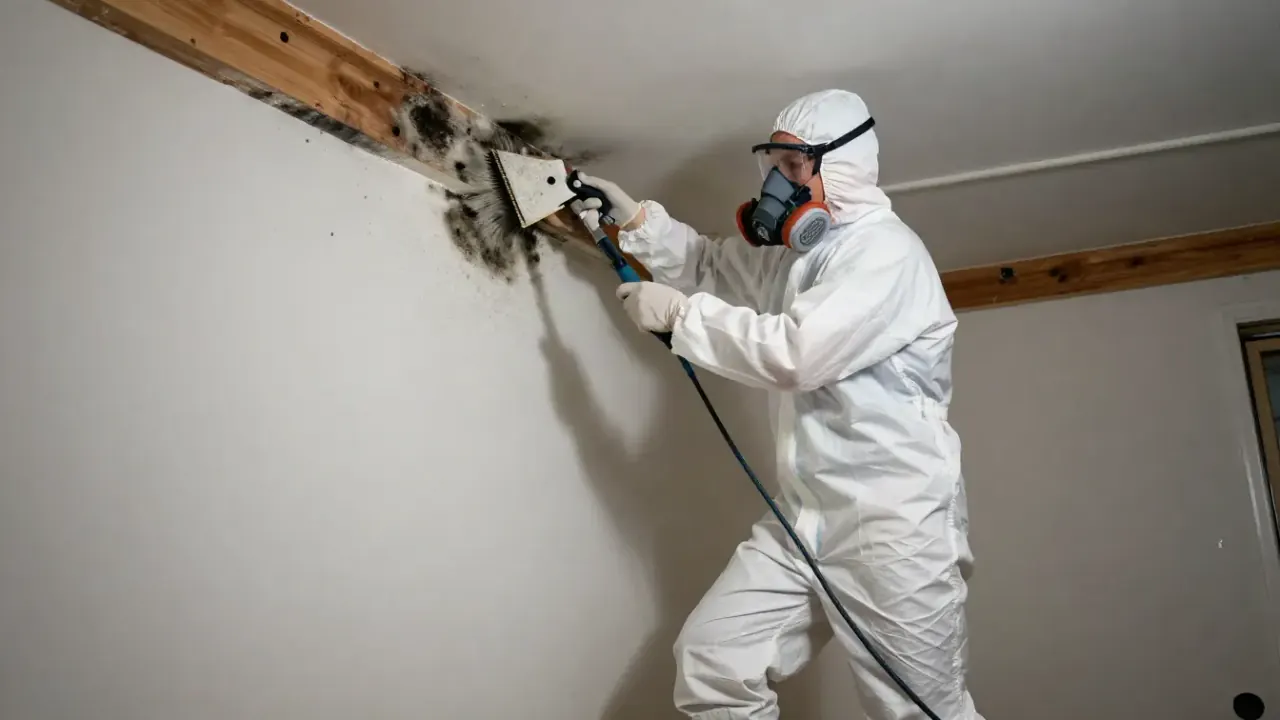
Bulk sampling involves collecting a piece of material for analysis. It may be considered when there is a specific reason to examine an affected building material.
This method can involve disturbing the material, so the need for sampling and the safest way to collect it should be considered before work begins.
Professional laboratory analysis
Collected samples may be sent to a laboratory for analysis. The report may identify organisms detected by the method used and provide results in the units appropriate to that method.
Ask which laboratory will analyze the samples, what the report includes, and whether interpretation is part of the service.
Inspection and testing
How Does Mold Testing Work?
The process depends on the testing method and the purpose of the assessment. An independent provider should explain the proposed steps before collecting samples.
1. Discuss the concern. Explain where you noticed an odor, visible discoloration, dampness, or previous water damage. The provider may ask when the problem started and whether repairs have been made.
2. Determine whether sampling is appropriate. The provider should explain what question testing is intended to answer and whether a visual assessment or moisture investigation may be more useful.
3. Choose the sampling method. Depending on the concern, the proposed service may involve air samples, surface samples, or another method. Ask which areas will be sampled and why.
4. Collect and submit samples. Samples should be collected and handled according to the method being used. The provider should explain whether laboratory analysis is included in the quoted price.
5. Review the report. Ask the provider to explain the findings, the limits of the test, and whether additional investigation or moisture correction may be appropriate.
Testing does not automatically include mold removal, repairs, or a full building inspection. Confirm which services are included before arranging an appointment.
Inspection and testing
How to Understand Mold Test Results
A laboratory report can provide useful information, but it does not tell the entire story of a building's condition.
Results should be considered alongside visible conditions, moisture history, sampling location, and the method used.
A positive result does not automatically mean a serious mold problem
Mold spores can be present in indoor and outdoor air. Detecting mold in a sample does not, by itself, establish the source, the extent of growth, or the health risk to a particular person.
A negative result does not rule out hidden mold
A sample may not capture mold that is located elsewhere, concealed behind a surface, or not airborne during collection. Results apply to the sample and conditions tested.
There is no single result that answers every question
The meaning of a result depends on the sampling method, location, conditions, and purpose of the test. The US Environmental Protection Agency does not set federal standards for acceptable levels of indoor mold or mold spores.
Ask the provider to explain what the report supports, what it cannot establish, and whether any further steps are warranted.
For general information, see the EPA's mold guidance.
Inspection and testing
Mold Testing vs. Mold Inspection
Mold testing and mold inspection serve different purposes.
A mold inspection generally focuses on visible conditions, moisture concerns, and signs that mold may be present. A mold test involves collecting a sample for analysis.
An inspection may identify an obvious moisture source or visible mold without any testing. Testing may be considered when there is a specific question that sampling could help answer.
Neither service automatically includes remediation. If visible mold is already present, the priority may be to identify and correct the moisture source and determine how the affected materials should be handled.
For questions about visual assessments and moisture investigations, visit our Mold Inspection page.
How every request is handled.
Tell us what you foundGet connectedWritten quoteYou decide
Need a quick answer?Talk with us about your property.(930) 758-0114
Costs and quotes
How Much Does Mold Testing Cost in Evansville?
Mold testing prices vary according to the sampling method, number of samples, laboratory fees, property size, and whether interpretation or a written report is included.
Factors that may affect a quote include:
A quote that covers one sample may not be comparable to a service that includes several samples and a detailed report.
Before scheduling, ask for the total expected cost, the number of samples included, any separate laboratory charges, and whether the provider will explain the results.
Evansville Mold Pros is a referral service and does not set independent providers' prices.
How it works
What to Do Before and After Testing
Before testing
Make a note of the areas where you have noticed odors, visible growth, dampness, or previous water damage. Share relevant details with the provider, including known leaks and repairs.
Ask whether normal household activity should continue before sampling or whether the proposed method requires specific preparation. Avoid disturbing suspected mold simply to prepare for a visit.
After testing
Review the results with the provider and ask what they mean in the context of your property. If moisture or visible mold is present, determine how the source will be addressed.
Depending on the findings, possible next steps may include repairing a leak, correcting condensation, arranging a more detailed assessment, or obtaining a remediation quote.
Do not assume that a test result alone establishes that a property is safe or unsafe. If someone in the household has symptoms or health concerns, seek advice from a qualified healthcare professional.
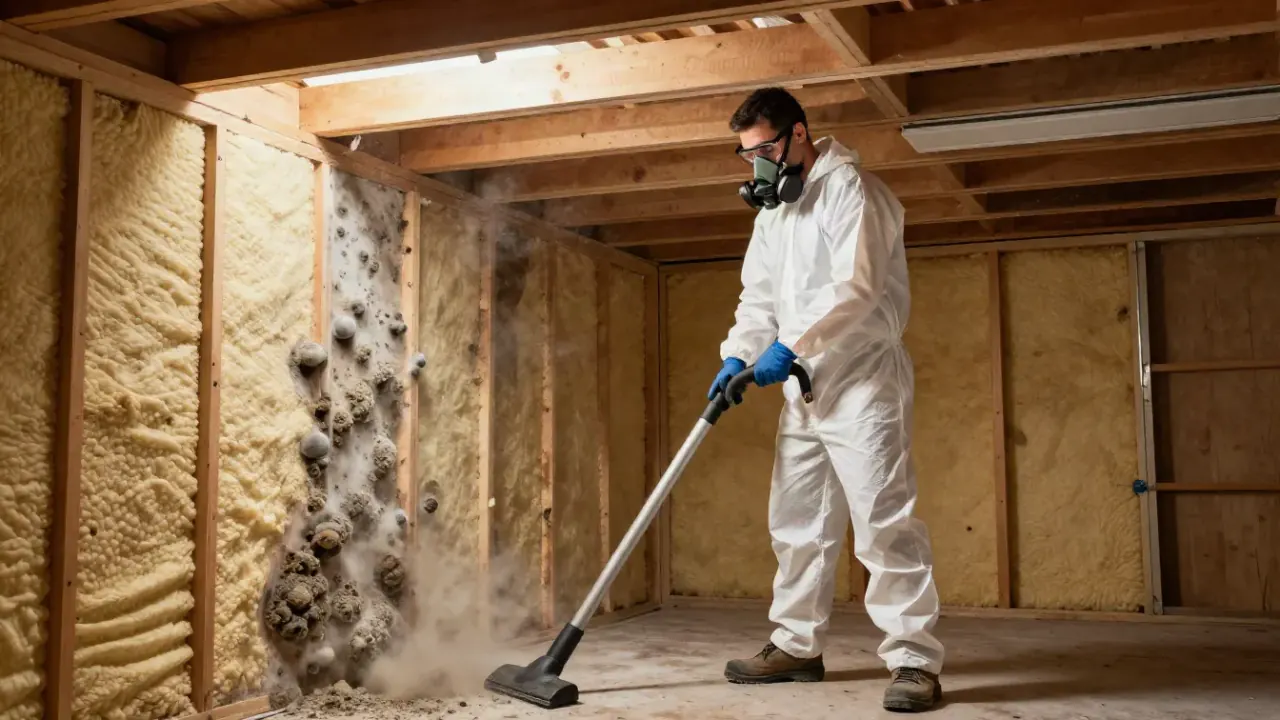
Inspection and testing
Mold Testing in Evansville and Nearby Areas
Property owners in Evansville may consider mold testing after a leak, water damage, persistent musty odors, or concerns about concealed growth. The appropriate approach depends on the building and the specific question that needs answering.
Some situations may call for a visual assessment and moisture investigation rather than sampling. Others may justify testing as part of a more targeted evaluation.
Evansville Mold Pros connects property owners with independent providers who can discuss available assessment options. Connections in nearby communities, including Newburgh, Boonville, and Mount Vernon, depend on participating provider coverage.
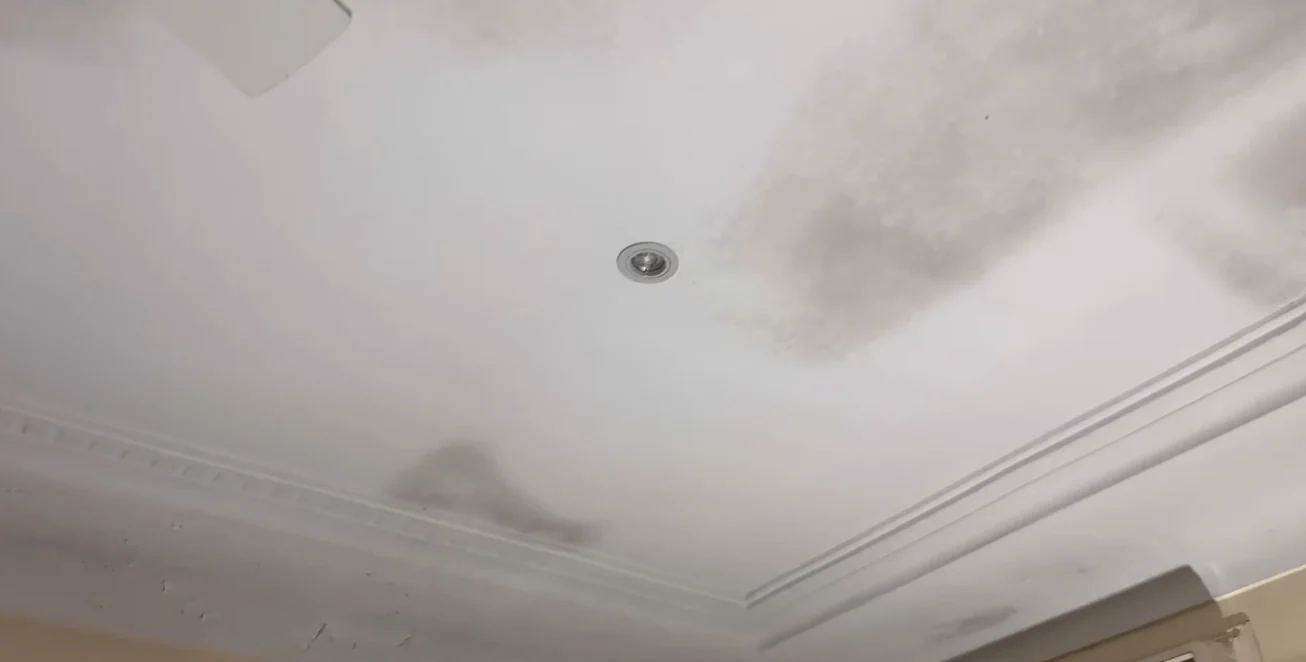
Where we work
Evansville and nearby communities.
Prefer to try it yourself first?
If the area is small and the surface is suitable, read our guide on getting rid of mold on wood before deciding whether to request a contractor.
No. The EPA notes that sampling is often unnecessary when visible mold is present. The need for testing depends on the specific question being investigated.
A test cannot provide a complete safety determination on its own. Results need to be interpreted alongside the property conditions, sampling method, and any moisture problems.
A sample may provide information about the material or air tested, but testing alone cannot reliably locate every concealed area of mold. Further investigation may be needed when there are signs of hidden moisture.
Timing depends on the sampling method, laboratory, and type of analysis. Ask the provider for an expected turnaround time before samples are collected.
Not automatically. Testing and remediation are separate services unless the provider's written scope explicitly includes both.
Call (930) 758 0114 or submit the contact form on this page. Evansville Mold Pros can connect you with an independent provider to discuss the concern, available testing options, and pricing.
Keep exploring
Related Services
From the blog
Guides Related to Mold Testing
Mold Guides
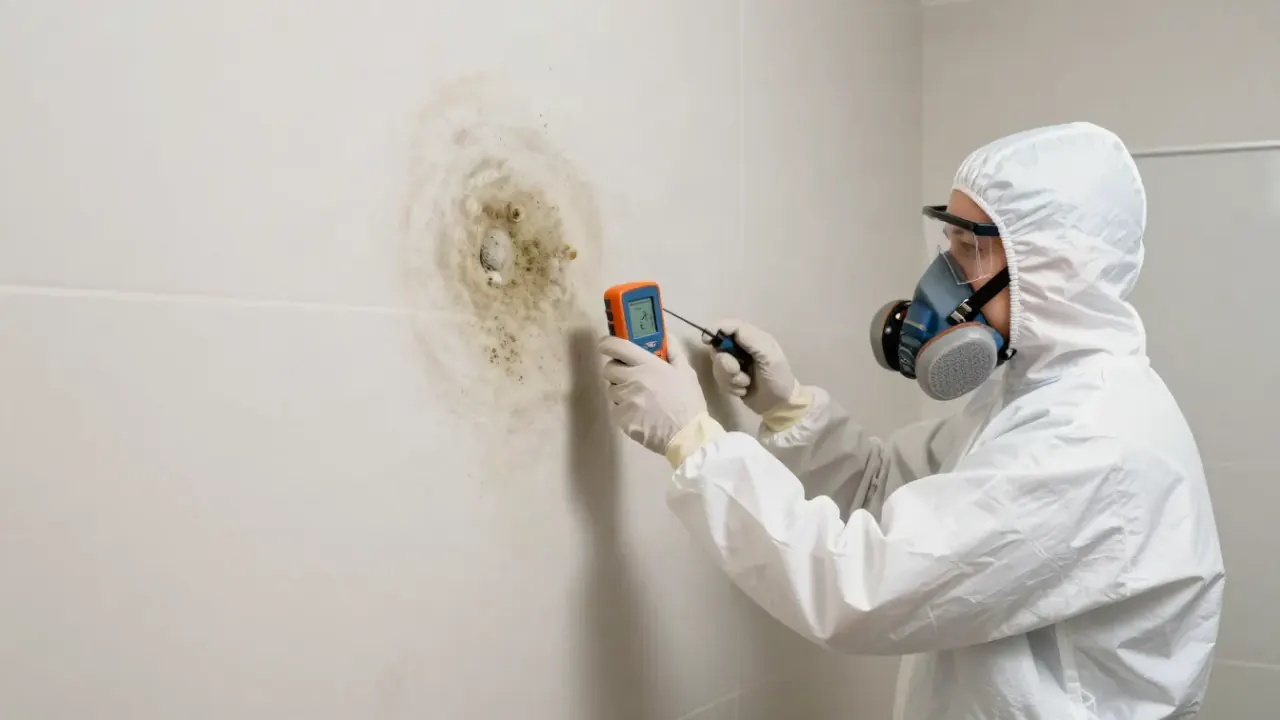
Mold Inspection vs. Mold Testing: What's the Difference?
Compare mold inspection vs. mold testing, learn what each involves, and understand when an assessment or sampling may be useful.
Read the guideMold Guides
Mold vs. Mildew: What's the Difference?
Learn how mold and mildew differ, common warning signs, where they grow, and how to address moisture problems in your Evansville home.
Read the guide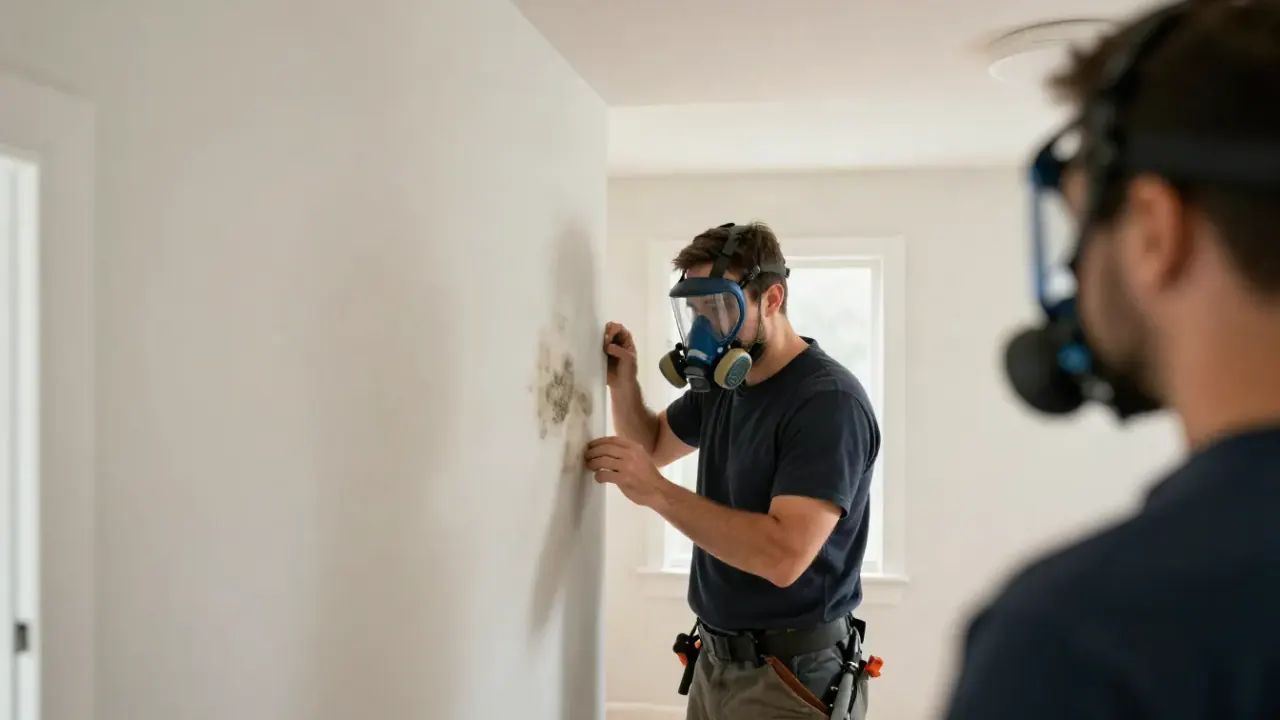
Mold Guides
How Much Does Mold Remediation Cost?
Learn what affects mold remediation costs, including affected materials, moisture problems, cleanup, and repairs before requesting a contractor quote.
Read the guideYour next step is waiting
Request a Mold Testing Connection
If you are concerned about suspected mold, start by identifying the question you need answered. An independent provider can discuss whether sampling may be useful and explain the limits of the proposed test.
Call (930) 758 0114 or submit the contact form to request a connection in Evansville, Indiana.
Evansville Mold Pros is a referral service, not a laboratory or testing contractor. Independent providers determine their own availability, methods, qualifications, pricing, and scope of work.
Start with the basics
Contact Evansville Mold Pros
Evansville Mold Pros is a referral service. Independent contractors perform the assessment and remediation work, set their own prices, and confirm timing and job details directly with you.