Mold vs. Mildew: What's the Difference?
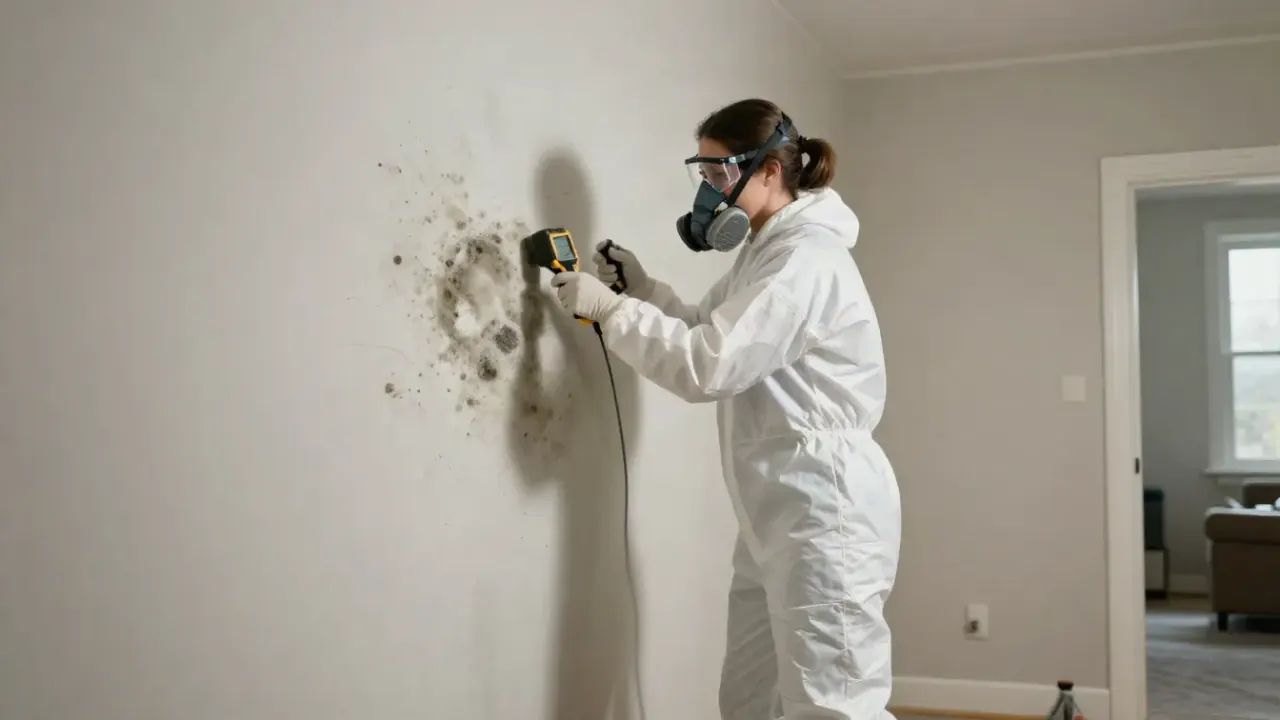
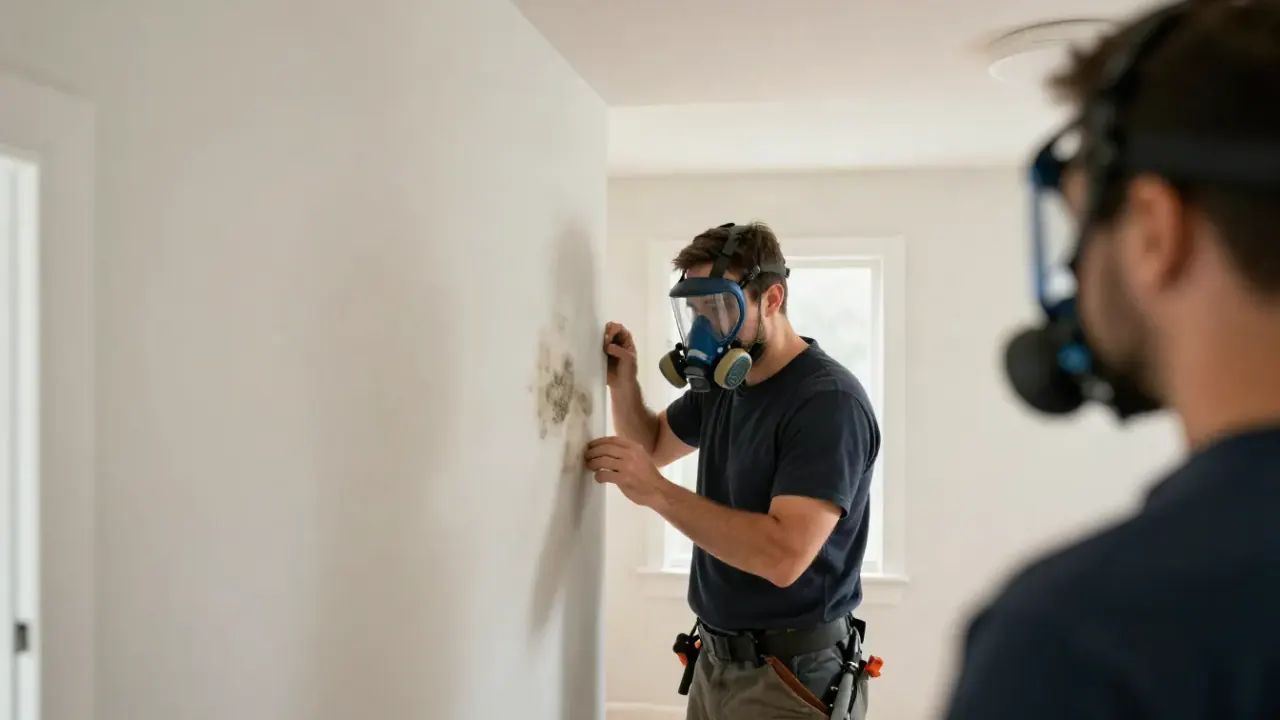
Mold and mildew are terms people often use when they notice spots or discoloration on walls, ceilings, bathroom surfaces, or other parts of a home. Both are types of fungi that can grow in damp conditions, but the words are not always used in the same way.
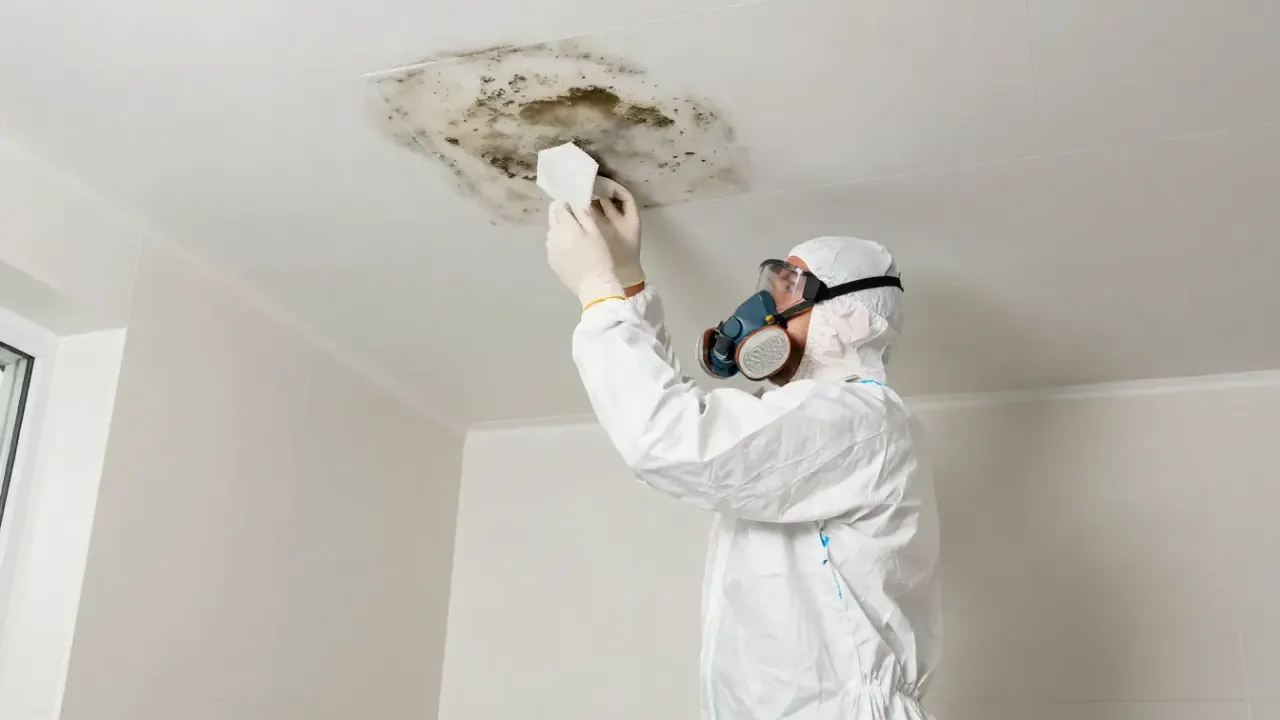
Understanding the difference can help you decide what to look for and how to respond to a possible moisture problem.
For homeowners in Evansville, Indiana, the first step is to identify where moisture may be entering or building up. Cleaning a visible spot without correcting the moisture source may allow the problem to return.
What Is Mold?
Mold is a type of fungus that grows when moisture and suitable materials allow it to develop. It can appear on drywall, wood, insulation, fabrics, paper products, and other surfaces.
Mold may look black, green, gray, brown, or white. Its appearance varies, so color alone cannot reliably identify the type of mold or determine whether a particular growth presents a health risk.
Common places where mold may develop include:
- Basement walls and stored materials
- Attics affected by roof leaks or condensation
- Crawl spaces with excess moisture
- Bathrooms and kitchens
- Areas around leaking pipes or damaged windows
- Building materials affected by previous water damage
Mold may also grow in areas that are not immediately visible, such as behind furniture, beneath flooring, or inside wall cavities where moisture has accumulated.
What Is Mildew?
Mildew is a term commonly used for certain types of fungal growth, especially growth that appears on damp surfaces. In everyday household use, it often refers to a relatively flat, powdery, or patchy growth on surfaces such as bathroom grout, window frames, and shower curtains.
Mildew may appear white, gray, or light colored, although its appearance can vary. The term is often used for surface growth, but appearance alone cannot establish exactly what organism is present.
Like other fungal growth, mildew is associated with moisture. Improving ventilation, drying damp surfaces, and repairing leaks can help address the conditions that allow it to develop.
Mold vs. Mildew: Key Differences
| Feature | Mold | Mildew |
|---|---|---|
| Common appearance | May be fuzzy, slimy, patchy, or discolored | Often described as flat or powdery |
| Typical locations | Walls, wood, insulation, fabrics, and other materials | Damp surfaces such as grout, window frames, and shower areas |
| Color | Can vary widely | Often white or gray, but may vary |
| Growth location | May affect surfaces and materials beneath them | Commonly noticed on exposed surfaces |
| Response | Depends on the material, extent, and moisture source | Depends on the surface, extent, and moisture source |
These are general descriptions, not a reliable identification test. Some mold and mildew growth can look similar, and visual inspection alone may not establish the exact type of fungus present.
How to Tell Whether You Have a Mold or Mildew Problem
A few observations can help you understand the situation, but they cannot confirm the exact type of growth.
Look at the location. Growth around shower grout or on a frequently damp windowsill may be related to surface moisture. Discoloration on drywall, ceiling materials, or wood near a leak may point to a broader moisture problem.
Check for water damage. Peeling paint, swollen materials, water stains, or soft drywall can indicate that moisture has affected the building material.
Notice persistent odors. A musty smell may suggest dampness or fungal growth, including in an area that is not visible. Odor alone does not identify the source.
Consider whether it returns. Repeated growth after cleaning may mean the surface continues to get wet or that a hidden moisture source has not been corrected.
If the cause is unclear, consider arranging an appropriate assessment. Learn more about mold inspection and what an inspection may help identify.
Why Does Mold and Mildew Grow Indoors?
Moisture is a key factor in indoor fungal growth. Common causes include:
Leaking Pipes and Fixtures
A slow leak beneath a sink, behind a toilet, or inside a wall can keep materials damp for long periods. Repairing the leak and drying affected materials can help prevent continued growth.
Roof Leaks
Damaged roofing or flashing can allow water to reach ceilings, attic insulation, and roof sheathing. Water stains or recurring discoloration may warrant further investigation.
Condensation and High Humidity
Moist indoor air can condense on cooler surfaces, including windows, exterior walls, and pipes. Bathrooms, kitchens, and poorly ventilated areas may be more prone to persistent dampness.
Basement and Crawl Space Moisture
Water intrusion, damp ground, drainage problems, and humid air can contribute to moisture in lower parts of a property. The appropriate solution depends on the cause.
Water Damage That Was Not Fully Dried
After a leak or flooding event, moisture can remain inside porous materials even when the surface appears dry. Prompt drying and assessment can help determine whether affected materials need further attention.
How to Clean Small Areas of Mold or Mildew
The appropriate response depends on the surface, the extent of growth, and the source of moisture.
For a small area on a suitable hard surface, cleaning may be possible with appropriate precautions. Follow product instructions, avoid mixing cleaning chemicals, and use suitable protective equipment. Keep children and pets away from the work area.
Do not simply paint or seal over fungal growth. Clean the surface as appropriate and correct the moisture source.
Extra care is needed when growth affects porous materials such as drywall, ceiling tiles, or insulation. These materials may need removal if they are damaged or cannot be adequately cleaned.
Avoid disturbing extensive growth or materials that could release dust and debris. If the affected area is large, keeps returning, involves hidden moisture, or follows significant water damage, consider speaking with an appropriate professional.
How to Prevent Mold and Mildew
Reducing excess moisture is one of the most useful steps you can take to limit indoor fungal growth.
Try these practical measures:
- Repair leaks promptly. Check plumbing fixtures, visible pipes, windows, and roofing for signs of water intrusion.
- Dry wet materials quickly. Address water spills and leaks before moisture remains trapped in building materials.
- Use bathroom exhaust fans. Vent moisture outdoors when showering, and allow wet surfaces to dry.
- Control indoor humidity. Use suitable ventilation or a dehumidifier when needed.
- Check basements and crawl spaces. Look for damp materials, water entry, and persistent musty odors.
- Keep air moving where appropriate. Avoid leaving damp items in poorly ventilated areas.
- Investigate recurring spots. Repeated growth may indicate a leak, condensation, or another unresolved moisture problem.
For more practical advice, read our guide on how to prevent mold in your home.
Do You Need Mold Testing?
Not always. Mold testing may be useful when there is a specific question that sampling can answer, but it is not required for every visible mold problem.
The U.S. Environmental Protection Agency explains that sampling is often unnecessary when visible mold is present and the affected area can be addressed appropriately. There are also no federal standards establishing acceptable indoor mold levels for homes.
A visual assessment may help identify visible growth, water damage, and possible moisture sources. Testing, when appropriate, serves a different purpose and should be considered in the context of the question being investigated.
Learn more about mold testing before deciding whether it may be useful for your situation.
For additional guidance, consult the EPA's Brief Guide to Mold, Moisture and Your Home.
When to Consider Professional Mold Remediation
Consider seeking professional advice if:
- Growth covers a large area or keeps returning.
- Drywall, insulation, flooring, or wood appears damaged.
- You suspect mold behind walls or beneath flooring.
- Mold concerns follow a significant leak or water damage.
- You cannot identify or correct the moisture source.
- Cleaning could disturb extensive growth or contaminated materials.
The right response depends on the conditions at the property. An appropriate contractor can discuss the affected materials, possible moisture sources, and the work that may be needed.
Evansville Mold Pros helps property owners in Evansville, Indiana, seek connections with independent mold related service contractors. We do not perform inspections, testing, or remediation ourselves. Contractor availability, recommendations, pricing, and scheduling are determined independently.
If you need help finding a possible contractor connection, call (930) 758 0114 or visit our Contact Us page.
Related step-by-step guides: getting rid of wall mold.