Mold Inspection vs. Mold Testing: What's the Difference?
If you suspect mold in your home, you may wonder whether you need a mold inspection, mold testing, or both. Although these services are related, they serve different purposes.
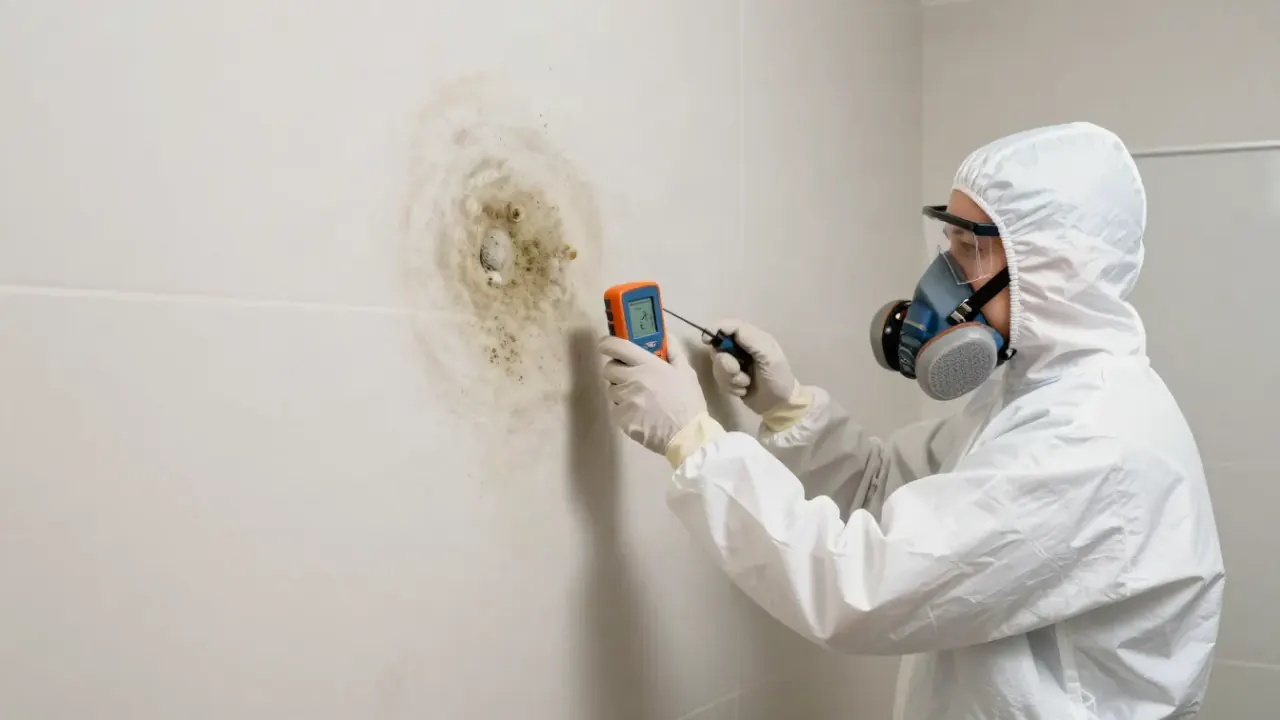
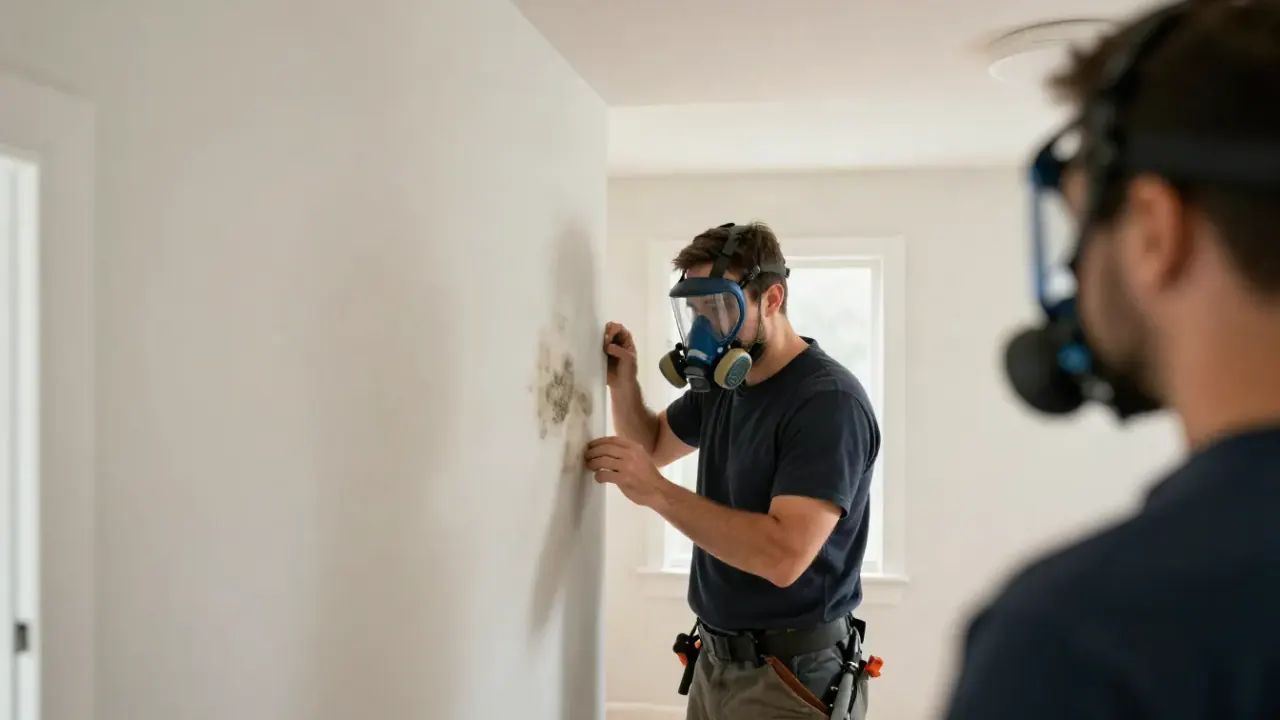
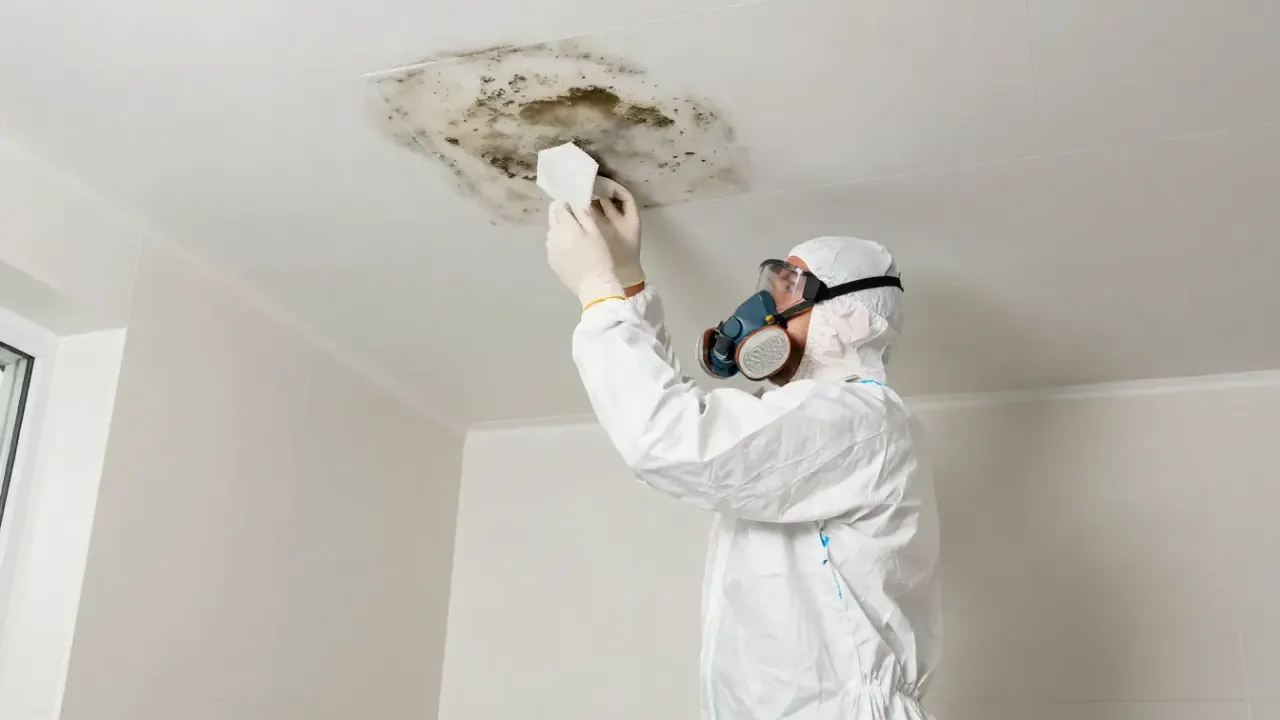
A mold inspection generally focuses on visible signs of mold, moisture conditions, and possible sources of water intrusion. Mold testing involves collecting samples to investigate a specific question about mold, with some samples sent to a laboratory for analysis.
The right option depends on what you have noticed, what you need to find out, and whether testing would provide useful information.
For homeowners in Evansville, Indiana, understanding the difference can help you ask better questions before arranging a service.
What Is a Mold Inspection?
A mold inspection typically involves examining accessible areas of a property for visible fungal growth, water damage, and conditions that may support mold growth.
Depending on the scope of the service, an inspector may look for:
- Water stains on ceilings and walls
- Damp or damaged building materials
- Musty odors that may indicate a moisture problem
- Signs of leaks or water intrusion
- Conditions that may contribute to condensation
- Areas where mold could be affecting building materials
Some inspections may include moisture measurements or other assessment methods. The exact process depends on the provider and the service requested.
An inspection can help identify visible concerns and possible moisture sources. It cannot always reveal what is happening inside a closed wall or beneath flooring without further investigation.
When Might You Need a Mold Inspection?
An inspection may be worth considering if:
- You notice a persistent musty odor but cannot find its source.
- Water stains or damp materials appear after a leak.
- Mold keeps returning after cleaning.
- You suspect moisture behind a wall or ceiling.
- You want to understand the condition of an area affected by water damage.
The goal is to understand the visible conditions and determine what further steps may be appropriate.
Learn more about our Mold Inspection service page.
What Is Mold Testing?
Mold testing involves collecting samples to investigate whether mold is present or to learn more about the particles collected from a particular location.
Depending on the purpose of the investigation, sampling may involve:
Air samples: Air is collected to analyze airborne fungal particles under the conditions present during sampling.
Surface samples: Material is collected from a surface for examination or laboratory analysis.
Bulk samples: A piece of material may be collected for analysis when appropriate.
The sampling method should match the question being investigated. A laboratory result represents the sample and conditions at the time it was collected. It does not automatically describe every room or material in a building.
When Might Mold Testing Be Useful?
Testing may be considered when there is a specific question that sampling can help answer.
For example, a property owner may want additional information about a particular area, or a professional may recommend sampling as part of a defined investigation.
Before arranging testing, ask what the samples are intended to establish and how the results may affect the next steps.
Mold testing is not automatically necessary whenever visible mold is present.
Learn more about our Mold Testing service page.
Mold Inspection vs. Mold Testing: Main Differences
| Feature | Mold Inspection | Mold Testing |
|---|---|---|
| Main purpose | Examine visible conditions and possible moisture sources | Analyze samples to investigate a specific question |
| Typical methods | Visual examination and, where appropriate, moisture measurements | Air, surface, or material sampling |
| Identifies moisture problems | May identify visible signs and possible sources | Usually does not identify the underlying moisture source by itself |
| Laboratory analysis | Not always included | May be included, depending on the sampling method |
| Needed for every mold concern? | Depends on the situation | No, testing is not always necessary |
The services can sometimes complement each other, but they are not interchangeable. An inspection may help explain where moisture is present, while testing may provide additional information about collected samples.
Do You Need Mold Testing If You Can Already See Mold?
Not necessarily.
The U.S. Environmental Protection Agency explains that sampling is often unnecessary when visible mold is present and the affected area can be addressed appropriately.
If visible growth is already established, the more useful questions may be:
- What is causing the moisture?
- Which materials are affected?
- Can the materials be cleaned, or do they need removal?
- What must be corrected to reduce the chance of recurrence?
Testing may still have a role when there is a specific reason to collect samples. However, paying for testing without a clear purpose may not provide information that changes the response.
There are also no federal standards establishing acceptable indoor mold levels for homes. Results should therefore be interpreted in context rather than treated as a simple pass or fail measurement.
For further guidance, consult the EPA's Brief Guide to Mold, Moisture and Your Home.
Can Mold Testing Find Hidden Mold?
Testing may provide information about samples collected from a particular location, but it does not automatically locate hidden mold throughout a building.
For example, an air sample may detect airborne particles, but the result alone may not identify where those particles originated. A negative sample also does not prove that mold is absent from every part of the property.
Finding a hidden moisture problem may require examining the building, investigating water damage, or assessing suspect materials. The appropriate approach depends on the circumstances.
If you notice a persistent musty smell, water stains, or recurring dampness, discuss those observations when seeking an assessment.
What Happens After an Inspection or Test?
The next step depends on the findings and the purpose of the service.
If an inspection identifies a moisture problem, the priority may be to stop the water intrusion and determine how affected materials should be handled.
If testing was performed, the results should be considered alongside the sampling method, location, and conditions at the time of collection.
Possible next steps may include:
- Repairing a plumbing or roof leak.
- Drying wet materials where appropriate.
- Cleaning suitable surfaces.
- Removing materials that are damaged or cannot be adequately cleaned.
- Arranging further assessment if the source or extent remains unclear.
Not every situation requires every step. A suitable plan depends on the property and the nature of the problem.
If remediation is recommended, read about Basement Mold Remediation, Crawl Space Mold Remediation, or Attic Mold Remediation and Removal, depending on the affected area.
How Much Do Mold Inspection and Testing Cost?
Costs vary according to the provider, property, scope of work, sampling requirements, and whether laboratory analysis is included.
An inspection quote may depend on the size and accessibility of the area being examined. Testing costs may depend on the number and type of samples, collection methods, and laboratory fees.
Before booking, ask:
- What does the service include?
- Are moisture measurements included?
- How many samples will be collected, if any?
- Is laboratory analysis included in the price?
- What questions will the service help answer?
- Will you receive written findings or a report?
- Are follow up visits or additional samples charged separately?
Compare services based on their scope and purpose, not price alone.
If mold remediation may be necessary, our guide to Mold Remediation Cost explains the factors that can affect remediation estimates.
How to Choose the Right Service in Evansville, Indiana
Start with what you know about the problem.
If you see water stains, damp materials, or suspected mold, an inspection may help clarify the visible conditions and possible moisture sources.
If you have a specific question that sampling could answer, ask whether mold testing is appropriate and how the results would influence your decisions.
Before booking either service, ask the provider about their qualifications, methods, fees, written findings, and any limitations. Confirm exactly what is included.
Evansville Mold Pros helps property owners seek connections with independent mold related service contractors. We do not perform inspections, collect samples, analyze laboratory results, or determine which service your property requires.
You can contact us to ask about a possible contractor connection, subject to availability.