How to Get Rid of Mold in a Crawl Space
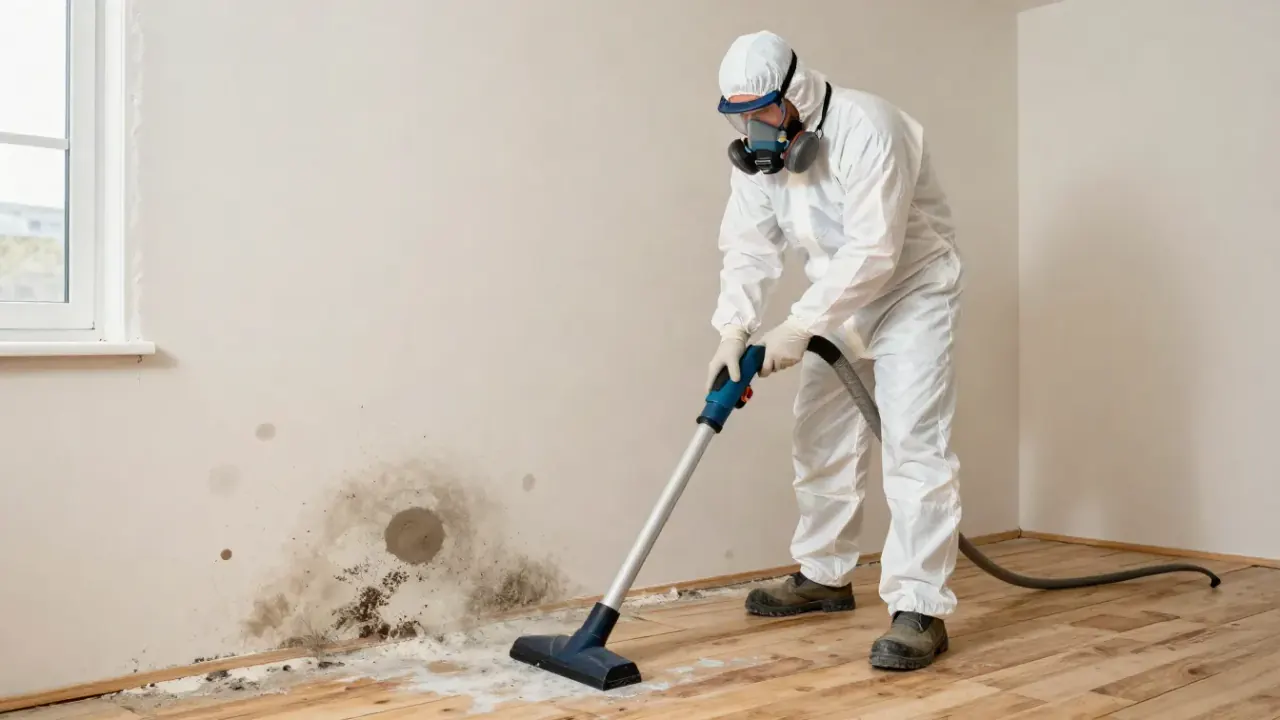
Mold in a crawl space can develop when moisture accumulates beneath a home. Damp ground, plumbing leaks, water intrusion, and condensation can create conditions that allow mold to grow on wooden framing, insulation, and other materials.
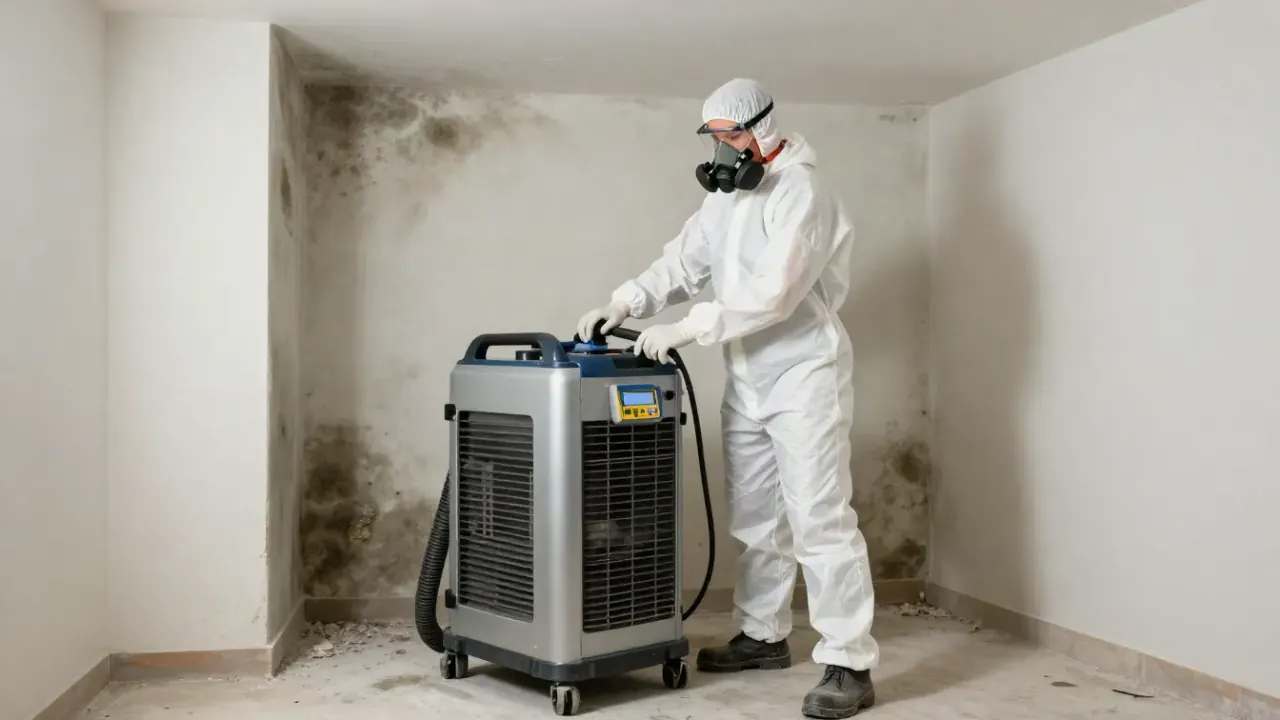
Because crawl spaces are often dark, confined, and difficult to access, moisture problems may go unnoticed until someone notices a musty odor or signs of damage elsewhere in the house.
If you suspect mold beneath your Evansville, Indiana, home, start by understanding the possible moisture source. Cleaning visible growth without correcting the underlying problem may allow it to return.
Why Does Mold Grow in Crawl Spaces?
Crawl spaces can experience moisture from several sources, including:
- Damp soil beneath the home
- Plumbing leaks
- Rainwater entering from outside
- Poor drainage around the foundation
- Condensation on cool surfaces or pipes
- Wet insulation or wood that has not dried properly
Mold can grow on suitable materials when moisture remains long enough. Wooden joists, subflooring, insulation, and stored debris may be affected.
A musty odor coming from a crawl space can indicate dampness, but it does not confirm mold by itself. Visible growth, wet materials, and signs of water intrusion provide additional reasons to investigate.
1. Identify the Source of Moisture
Before attempting cleanup, determine why the crawl space is damp.
Possible warning signs include standing water, wet soil, dripping pipes, damp insulation, water stains, and visible discoloration on wooden framing.
Check accessible plumbing for leaks and look for signs that rainwater is entering near the foundation. Gutters, downspouts, and grading around the home may also affect how water moves near the structure.
If the crawl space has persistent standing water, extensive damage, or difficult access, do not enter simply to investigate. Confined spaces can present electrical, structural, air quality, and access hazards.
The appropriate solution depends on the source. A plumbing leak needs repair, while water entering from outside may require drainage or other building work.
2. Check Wooden Framing and Subflooring
Wooden joists, beams, and subflooring can be affected when crawl space moisture remains high.
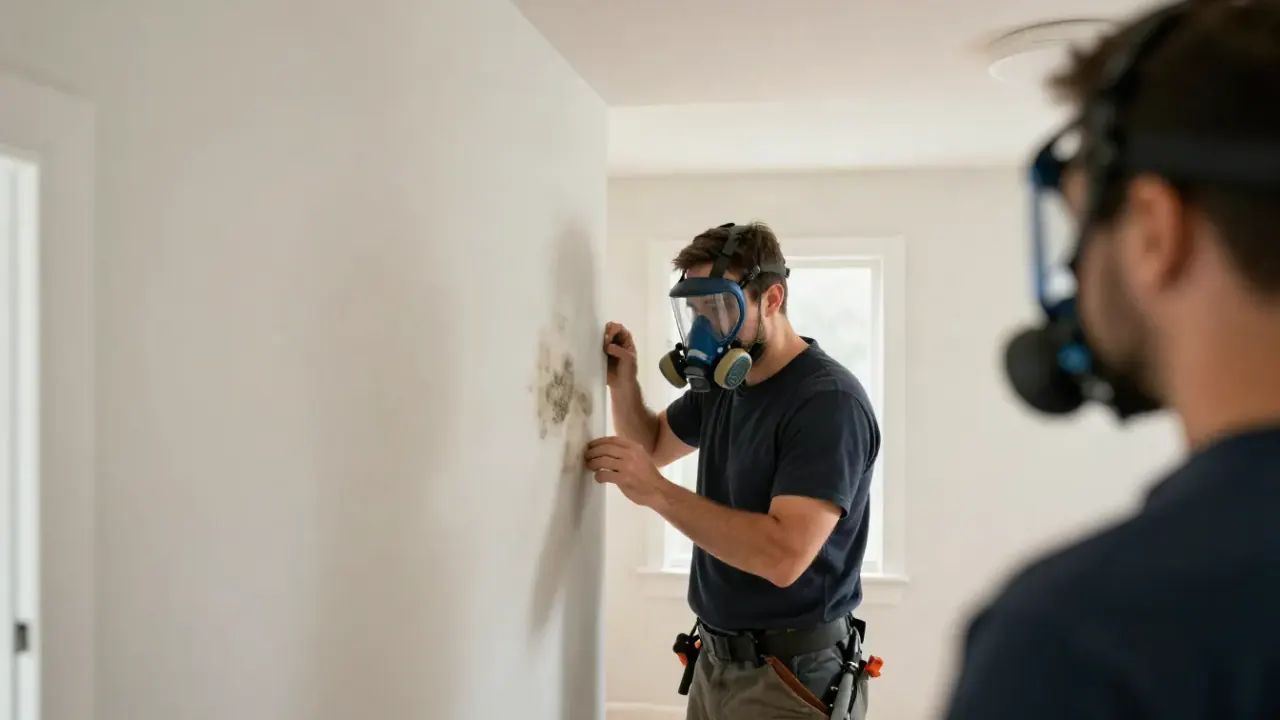
Look for visible discoloration, damp surfaces, or signs of deterioration in areas that can be inspected safely. Mold appearance alone does not establish whether the wood has lost its structural strength.
If the wood appears soft, damaged, or significantly deteriorated, further assessment may be necessary to determine whether repairs are needed.
Avoid sanding, scraping, or aggressively brushing suspected mold from framing without considering how the work could spread dust and debris. The right approach depends on the extent of growth and the condition of the material.
3. Assess Damp or Damaged Insulation
Insulation in a crawl space may become wet because of plumbing leaks, outside water intrusion, or condensation.
Wet or damaged insulation may not perform as intended and can be difficult to dry thoroughly, depending on its type and condition.
If insulation is visibly affected, sagging, or remains damp, an appropriate assessment can help determine whether it can be retained or needs removal and replacement.
Do not assume that replacing insulation alone will solve the problem. The source of moisture must also be addressed to reduce the chance of recurring damage.
4. Address Water Under the Home
Standing water or persistently wet ground can contribute to high moisture levels in a crawl space.
If water is entering from outside, possible contributing factors include poor drainage, downspouts discharging too close to the foundation, or other routes for water intrusion.
Depending on the circumstances, corrective work may involve plumbing repairs, drainage improvements, water removal, or other measures appropriate to the property.
Do not pump out water or enter a flooded crawl space without considering electrical hazards and other safety risks. Seek appropriate assistance if the area is unsafe or the source of water is unclear.
5. Can You Clean Crawl Space Mold Yourself?
DIY cleanup may not be appropriate for every crawl space.
A small area of growth on a suitable, accessible surface may be manageable in some circumstances, but crawl spaces often involve limited access, overhead materials, electrical components, and potentially extensive hidden moisture.
Before attempting any cleanup, consider:
- How much material appears affected
- Whether the growth extends across framing or insulation
- Whether standing water or active leaks are present
- Whether the area can be accessed safely
- Whether disturbing the material could spread dust or debris
Never mix cleaning chemicals. Bleach is not necessary for every mold cleanup, and cleaning products must be suitable for the affected material.
If growth is extensive, materials are damaged, or access is unsafe, seek appropriate professional advice rather than attempting the work yourself.
6. Improve Crawl Space Moisture Control
The right moisture control measures depend on the crawl space design, local conditions, and the source of water.
Possible measures may include:
Repairing plumbing leaks: Stop ongoing water from entering the space.
Managing exterior drainage: Direct rainwater away from the foundation where appropriate and correct drainage problems.
Controlling ground moisture: A suitable ground vapor barrier may help reduce moisture entering from exposed soil, depending on the crawl space conditions and installation.
Managing humidity: Ventilation, dehumidification, or crawl space enclosure measures may be appropriate in some situations. The best option depends on the building and climate conditions.
Addressing damaged materials: Materials that cannot be adequately cleaned or dried may need removal or replacement.
Not every crawl space needs the same solution. Avoid adding ventilation or sealing openings without understanding the existing design and moisture conditions.
7. Prevent Mold From Returning
Preventing recurring mold requires attention to the conditions that allowed it to develop.
Useful steps include:
- Repair plumbing leaks promptly.
- Address water intrusion and drainage problems.
- Check accessible areas for damp insulation and wood.
- Keep gutters and downspouts in suitable working order.
- Investigate persistent musty odors.
- Address moisture beneath the home rather than relying on surface cleaning alone.
- Recheck the area after repairs to make sure the moisture problem has been addressed.
If mold returns after cleanup, reassess the moisture source and consider whether hidden materials remain affected.
For more general advice, read How to Prevent Mold in Your Home.
When Should You Seek Professional Help?
Consider seeking appropriate professional assistance if:
- Mold appears across a large area of framing or insulation.
- Wooden materials show signs of deterioration.
- Standing water or recurring flooding is present.
- You suspect mold on the underside of the subfloor.
- The crawl space is difficult or unsafe to access.
- The source of moisture cannot be identified.
- Mold returns after previous cleanup.
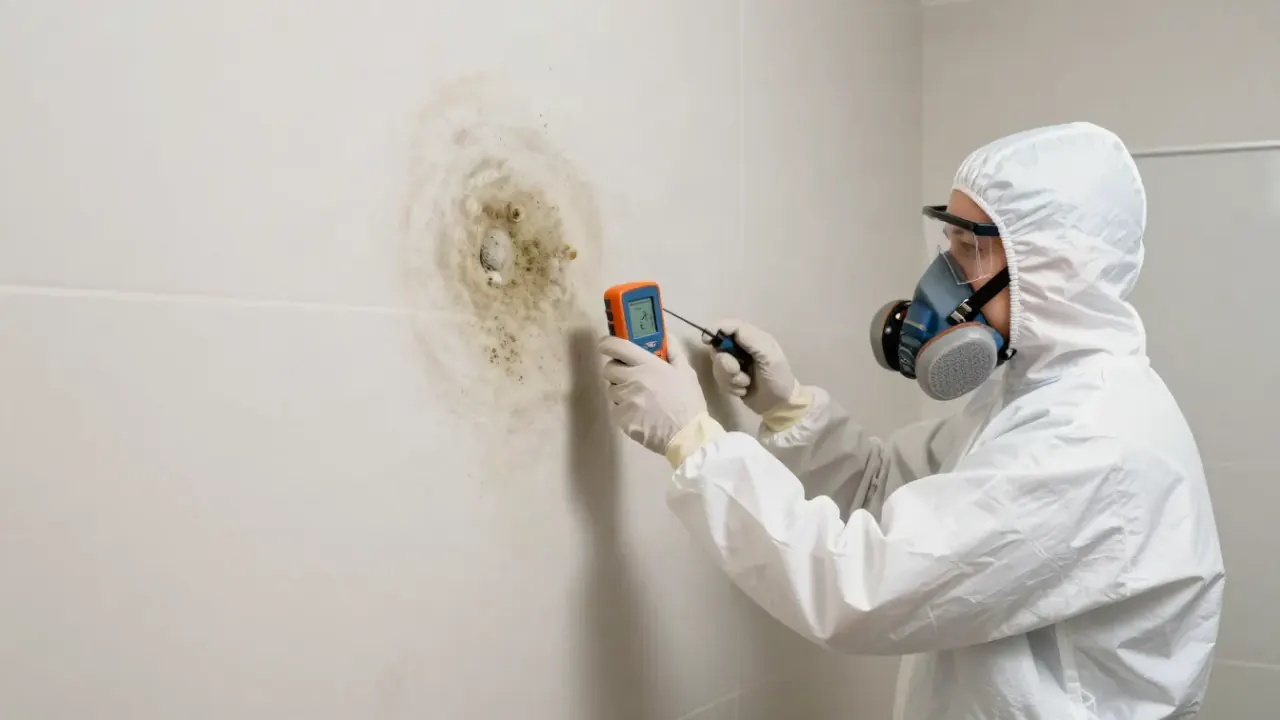
An assessment may help identify visible growth, moisture damage, and possible sources of water intrusion. The work required depends on the conditions found and the materials involved.
Learn more about Mold Inspection if you want to understand what an inspection may involve.
Do You Need Mold Testing in a Crawl Space?
Not necessarily. Testing may be useful when sampling can answer a specific question, but it is not automatically required whenever visible mold is present.
The U.S. Environmental Protection Agency explains that sampling is often unnecessary when visible mold is present and the affected area can be addressed appropriately.
Testing also does not automatically identify the moisture source or determine whether wooden framing has sustained structural damage.
If testing is recommended, ask what the samples are intended to establish and how the results may affect the next steps.
Read more about Mold Testing.
How Much Does Crawl Space Mold Remediation Cost?
The cost depends on the size of the affected area, access conditions, the materials involved, and the work needed to address moisture.
A contractor's estimate may include cleaning suitable materials, removing damaged insulation, managing debris, or addressing other affected building materials. Drainage improvements, plumbing repairs, and structural work may be separate expenses.
Before approving a project, request a written estimate that explains the proposed work, exclusions, and possible additional charges.
Our guide to Mold Remediation Cost explains the factors that can affect estimates.